THE ADVENTURE COLLECTIVE® · Independent discovery and booking for outdoor travel

From Kochi’s colonial docks to Munnar’s highland tea gardens and a houseboat glide through Alappuzha backwaters, this one-week Kerala circuit blends culture, wildlife and slow-water relaxation. Expect multi-hour drives, short hikes and early-morning wildlife watches.
From Kochi’s colonial docks to Munnar’s highland tea gardens and a houseboat glide through Alappuzha backwaters, this one-week Kerala circuit blends culture, wildlife and slow-water relaxation. Expect multi-hour drives, short hikes and early-morning wildlife watches.
You step off the car into Kochi’s humid air and the first thing you notice is water — tidal channels, the Arabian Sea’s edge and the slow creak of Chinese fishing nets tracing arcs at sunset. That opening day of a one-week circuit threads through colonial forts and busy spice markets before climbing west into Munnar’s tea-carpeted hills, then dropping into the mist-wrapped Periyar ecosystem at Thekkady and finally sliding onto the backwaters in a houseboat at Alappuzha.
Verified experiences and guided adventures in the surrounding area.
Operated by Excel India Tours · Kochi, Kerala
You step off the car into Kochi’s humid air and the first thing you notice is water — tidal channels, the Arabian Sea’s edge and the slow creak of Chinese fishing nets tracing arcs at sunset. That opening day of a one-week circuit threads through colonial forts and busy spice markets before climbing west into Munnar’s tea-carpeted hills, then dropping into the mist-wrapped Periyar ecosystem at Thekkady and finally sliding onto the backwaters in a houseboat at Alappuzha.
Kerala’s geology is a contrast: coastal lagoons and reclaimed wetlands give way to the Western Ghats’ ancient gneiss and laterite soils. Culturally, the route maps Portuguese, Dutch and British influences alongside a living spice-trade tradition and classical arts like Kathakali. Expect hands-on market visits, tea estate walks, and early-morning wildlife watches where elephants and gaur move through riverine forest.
Practically, travel is driven — several multi-hour transfers, short walks in hill towns and national-park trails, and a scheduled houseboat cruise. Pack for humidity and sudden rains, bring sturdy walking shoes for uneven plantation paths, and plan for early starts to catch wildlife or misty valley light. Local guides handle permits and park entries; visitors should carry passports, confirm visas and respect sanctuary rules. Timed well, this itinerary balances cultural immersion, moderate hiking, and slow-water relaxation — a compact way to see Kerala’s contrasting landscapes without rushing.
moderate.
7–8 days.
Suitable for travelers in reasonable health; requires ability to handle several hours of driving, short hikes, and boarding a houseboat.
Yes — most international visitors need a valid Indian visa before arrival; confirm requirements with consular services well before travel.
The itinerary includes a pre-booked houseboat cruise in Alappuzha; confirm whether overnight accommodation on the houseboat is part of your package at booking.
Daily activity is light to moderate: short walks through markets, plantation paths and brief trails in Periyar; no technical trekking is required.
Local guide fees are included, but confirm whether national-park entrance fees or specific permits are covered or payable on arrival.
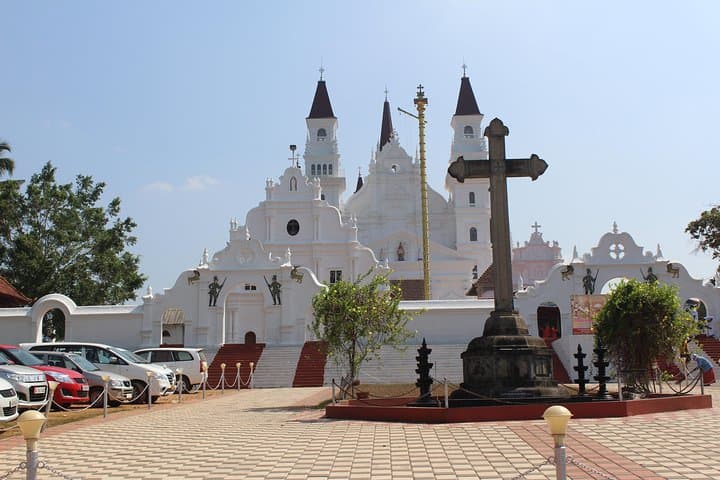
Kochi’s harbour became a focal point for Portuguese, Dutch and British trade; Mattancherry’s palaces and synagogues reflect centuries of spice-driven cultural exchange.
Periyar and Eravikulam operate strict trail and boat rules to protect habitat; avoid feeding wildlife, stick to marked trails and use licensed guides to minimize impact.
Excel India Tours operates guided outdoor trips and adventures with an emphasis on safety, stewardship, and memorable experiences.
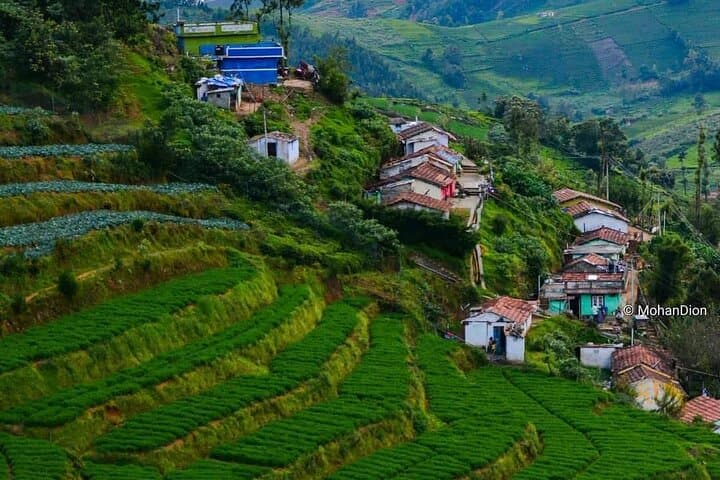
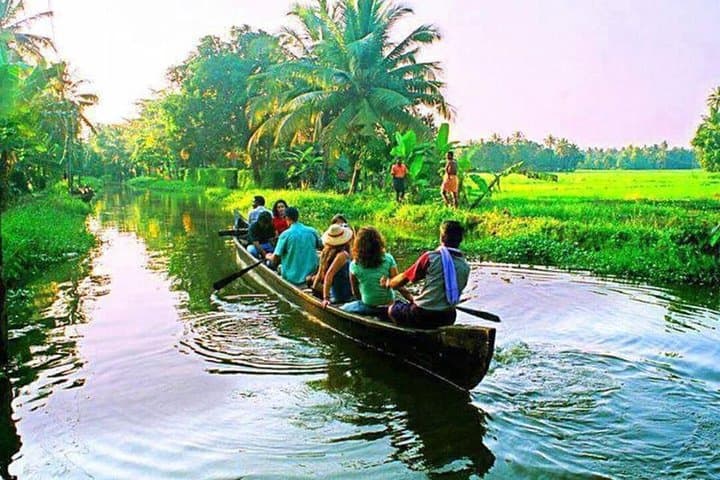
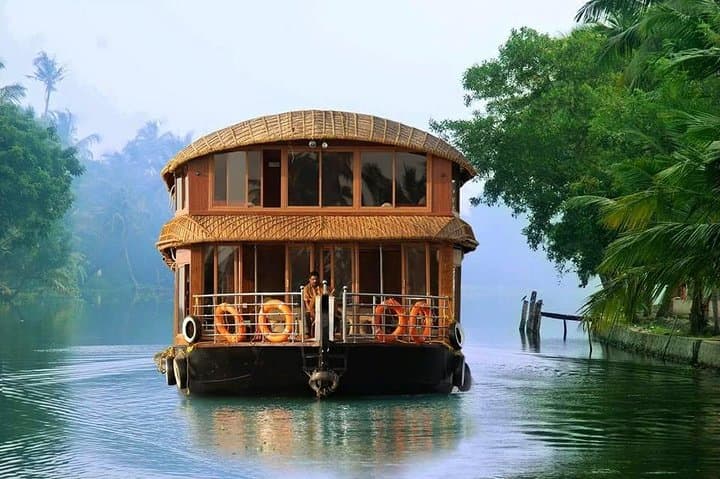
You step off the car into Kochi’s humid air and the first thing you notice is water — tidal channels, the Arabian Sea’s edge and the slow creak of Chinese fishing nets tracing arcs at sunset. That opening day of a one-week circuit threads through colonial forts and busy spice markets before climbing west into Munnar’s tea-carpeted hills, then dropping into the mist-wrapped Periyar ecosystem at Thekkady and finally sliding onto the backwaters in a houseboat at Alappuzha.
You step off the car into Kochi’s humid air and the first thing you notice is water — tidal channels, the Arabian Sea’s edge and the slow creak of Chinese fishing nets tracing arcs at sunset. That opening day of a one-week circuit threads through colonial forts and busy spice markets before climbing west into Munnar’s tea-carpeted hills, then dropping into the mist-wrapped Periyar ecosystem at Thekkady and finally sliding onto the backwaters in a houseboat at Alappuzha.
Kerala’s geology is a contrast: coastal lagoons and reclaimed wetlands give way to the Western Ghats’ ancient gneiss and laterite soils. Culturally, the route maps Portuguese, Dutch and British influences alongside a living spice-trade tradition and classical arts like Kathakali. Expect hands-on market visits, tea estate walks, and early-morning wildlife watches where elephants and gaur move through riverine forest.
Practically, travel is driven — several multi-hour transfers, short walks in hill towns and national-park trails, and a scheduled houseboat cruise. Pack for humidity and sudden rains, bring sturdy walking shoes for uneven plantation paths, and plan for early starts to catch wildlife or misty valley light. Local guides handle permits and park entries; visitors should carry passports, confirm visas and respect sanctuary rules. Timed well, this itinerary balances cultural immersion, moderate hiking, and slow-water relaxation — a compact way to see Kerala’s contrasting landscapes without rushing.