THE ADVENTURE COLLECTIVE® · Independent discovery and booking for outdoor travel

Cycle historic Fort Kochi’s spice-scented lanes before heading into the Western Ghats for multi-day treks through tea plantations, shola forests and tribal villages. Practical, guided camping and staged walks make this a compact Kerala introduction for active travelers.
Cycle historic Fort Kochi’s spice-scented lanes before heading into the Western Ghats for multi-day treks through tea plantations, shola forests and tribal villages. Practical, guided camping and staged walks make this a compact Kerala introduction for active travelers.
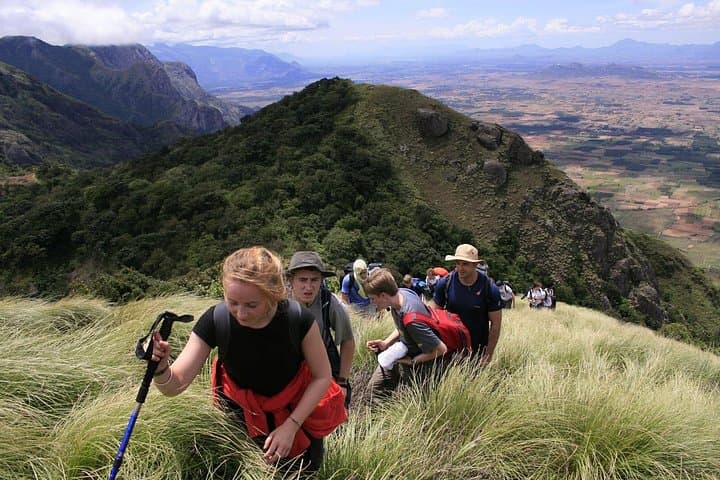
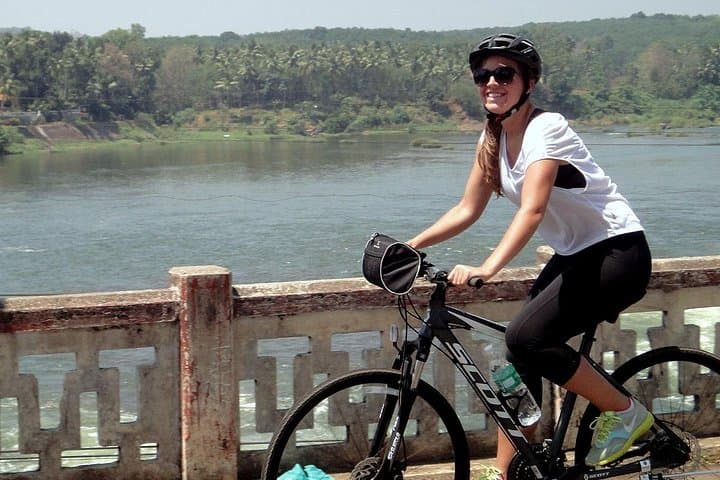
Stagger out of a humid Cochin morning and onto a narrow iron-rail fishing-jetty where Chinese nets dip and rise like patient hands. The tour opens with a cycling loop through Fort Kochi’s colonial lanes — Dutch gables, Portuguese churches, and a spice market that still smells of pepper and cardamom — then moves inland, uphill, into the green ribs of the Western Ghats to Suryanelli’s tea slopes and shola forests.
Verified experiences and guided adventures in the surrounding area.
Operated by MPM TRAVEL XS PVT LTD · Suryanelli, Kerala
Stagger out of a humid Cochin morning and onto a narrow iron-rail fishing-jetty where Chinese nets dip and rise like patient hands. The tour opens with a cycling loop through Fort Kochi’s colonial lanes — Dutch gables, Portuguese churches, and a spice market that still smells of pepper and cardamom — then moves inland, uphill, into the green ribs of the Western Ghats to Suryanelli’s tea slopes and shola forests.
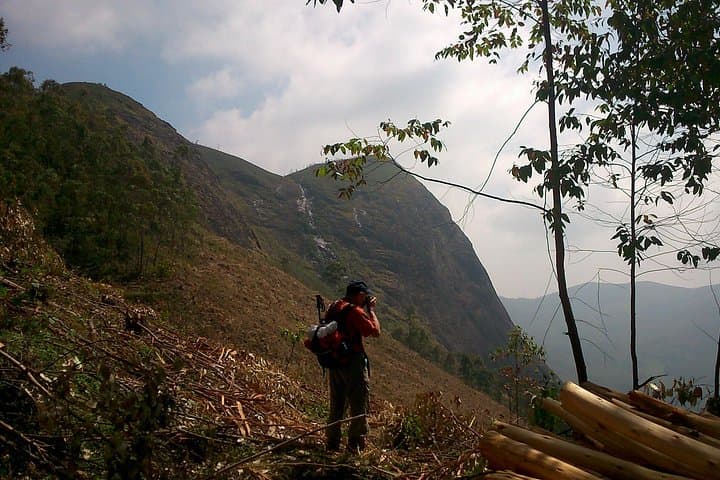
The route knits together two histories: the maritime spice trade that built Mattancherry’s palaces, and the highland plantation economy carved into ancient Precambrian rock. Geologically, the Ghats are weathered metamorphic hills; ecologically, they’re a biodiversity hotspot where endemic flora shapes fog and rainfall.
Culturally you’ll pass small tribal settlements of the Muduvan people and learn traditional uses for lemongrass and cardamom. Evenings at Anaerangal Camp are practical and social — tents with mattresses, a communal gazebo and a simple campfire supper.
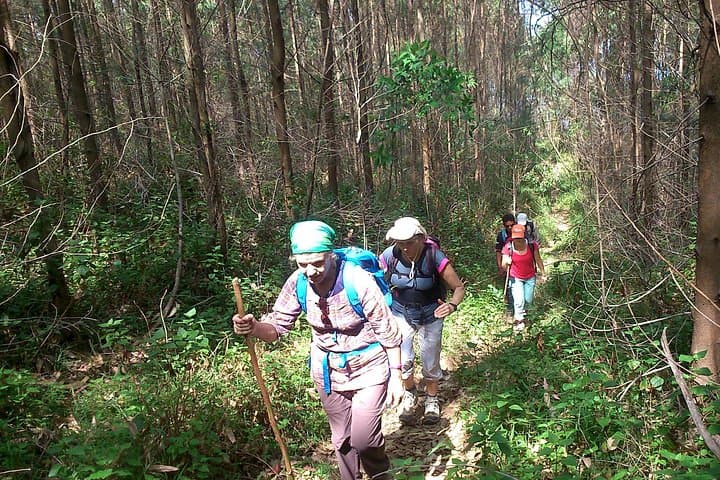
Practical guidance: the cycling day in Fort Kochi is flat but requires good bike handling in traffic; the highland treks are uneven, sometimes steep, and can include slippery tea-plantation tracks. Carry rain protection, layered clothing for cool nights, and basic blister care. Hydrate frequently: monsoon-fed streams may seem inviting, but rely on treated water provided by the operator. Start treks early to avoid mid-day sun and to catch the best light on Phantom’s Head.
This trip suits travelers who want mixed-activity days — paced cultural touring followed by sustained, moderate mountain walking — and rewards curiosity about both coastal history and highland ecology.
moderate.
4 days.
Moderate aerobic fitness; comfortable cycling on mixed urban roads and several sustained uphill walks of up to 11 km.
Basic road cycling experience is sufficient for Fort Kochi’s relatively short urban loop, but you should be comfortable navigating light traffic and narrow lanes.
Trekking days range from 5–11 km on uneven terrain with some steep sections; expect 4–7 hours on longer days and moderate elevation gain.
Anaerangal Camp offers furnished cottage tents with mattresses and communal facilities — more comfortable than a wilderness bivy but still rustic.
Yes — the itinerary includes a local guide, breakfast at hotels, and lunches/dinners at Suryanelli; bottled water is supplied during activities.
Fort Kochi reflects Kerala’s spice-trade legacy with Portuguese, Dutch and British architectural layers; highland plantations were established during colonial times and reshaped local economies.
The Western Ghats are ecologically sensitive—stay on designated trails, avoid single-use plastics, and support local operators who follow waste-minimization and community engagement practices.
MPM TRAVEL XS PVT LTD operates guided outdoor trips and adventures with an emphasis on safety, stewardship, and memorable experiences.
Stagger out of a humid Cochin morning and onto a narrow iron-rail fishing-jetty where Chinese nets dip and rise like patient hands. The tour opens with a cycling loop through Fort Kochi’s colonial lanes — Dutch gables, Portuguese churches, and a spice market that still smells of pepper and cardamom — then moves inland, uphill, into the green ribs of the Western Ghats to Suryanelli’s tea slopes and shola forests.
Stagger out of a humid Cochin morning and onto a narrow iron-rail fishing-jetty where Chinese nets dip and rise like patient hands. The tour opens with a cycling loop through Fort Kochi’s colonial lanes — Dutch gables, Portuguese churches, and a spice market that still smells of pepper and cardamom — then moves inland, uphill, into the green ribs of the Western Ghats to Suryanelli’s tea slopes and shola forests.
The route knits together two histories: the maritime spice trade that built Mattancherry’s palaces, and the highland plantation economy carved into ancient Precambrian rock. Geologically, the Ghats are weathered metamorphic hills; ecologically, they’re a biodiversity hotspot where endemic flora shapes fog and rainfall.
Culturally you’ll pass small tribal settlements of the Muduvan people and learn traditional uses for lemongrass and cardamom. Evenings at Anaerangal Camp are practical and social — tents with mattresses, a communal gazebo and a simple campfire supper.
Practical guidance: the cycling day in Fort Kochi is flat but requires good bike handling in traffic; the highland treks are uneven, sometimes steep, and can include slippery tea-plantation tracks. Carry rain protection, layered clothing for cool nights, and basic blister care. Hydrate frequently: monsoon-fed streams may seem inviting, but rely on treated water provided by the operator. Start treks early to avoid mid-day sun and to catch the best light on Phantom’s Head.
This trip suits travelers who want mixed-activity days — paced cultural touring followed by sustained, moderate mountain walking — and rewards curiosity about both coastal history and highland ecology.