THE ADVENTURE COLLECTIVE® · Independent discovery and booking for outdoor travel

A focused, one-hour walking tour from the Windmill to Palace Green that delivers a clear, evidence-based history of slavery in Williamsburg—distinguishing law, labor, and legacy while connecting the past to the present.
A focused, one-hour walking tour from the Windmill to Palace Green that delivers a clear, evidence-based history of slavery in Williamsburg—distinguishing law, labor, and legacy while connecting the past to the present.
You meet at the windmill on Francis Street, where the spin of wooden sails and the hush of horse hooves—real or remembered—frame the first words. The guide lays out the itinerary: a compact, one-hour walk that moves from the windmill across cobbled lanes past the Colonial Capitol, the courthouse, and ends at the south end of Palace Green beside the Geddy House. The city’s brick streets give way to stories that have shaped Virginia and the nation.
Verified experiences and guided adventures in the surrounding area.
Operated by Lonnie Sandifer Tours · Williamsburg, Virginia
You meet at the windmill on Francis Street, where the spin of wooden sails and the hush of horse hooves—real or remembered—frame the first words. The guide lays out the itinerary: a compact, one-hour walk that moves from the windmill across cobbled lanes past the Colonial Capitol, the courthouse, and ends at the south end of Palace Green beside the Geddy House. The city’s brick streets give way to stories that have shaped Virginia and the nation.
The tour traces the legal and economic roots of slavery in 17th- and 18th-century Virginia—how tobacco’s rise created labor systems and laws that codified bondage. Stops at the capitol and courthouse highlight statutes and enforcement; the segment by the Geddy House explores local attitudes and family histories. Geologically, Williamsburg sits on the Atlantic Coastal Plain—flat, marshy ground that made port access easy and tobacco cultivation profitable—factors that helped entrench plantation economies.
Expect a candid, corrective approach: the guide distinguishes between domestic and plantation slavery, debunks common myths, and connects past policies to modern social consequences. This is a walking conversation as much as a lecture—period architecture becomes evidence, not backdrop.
Practical notes: the route is largely flat and paved; it’s wheelchair- and stroller-accessible and suitable for most fitness levels. Colonial Williamsburg admission is not required, though some nearby museum sites have separate fees. Bring water, dress for sun or rain, and arrive 10 minutes early to find the meeting landmark. The tour suits visitors who want a focused, evidence-based account of slavery’s local history without a lengthy hike.
easy.
1 hour.
Suitable for most fitness levels; requires standing and walking up to about a mile on paved streets
No. The walking tour visits public outdoor sites; Colonial Williamsburg museum house admissions are separate and not required to take this tour.
Yes. The tour is rated easy and accessible; children should be supervised and seniors can request mobility accommodations if needed.
The tour lasts about 60 minutes and ends at the south end of Palace Green beside the Geddy House.
This presentation focuses on Williamsburg’s legal and civic centers, not plantation tours; it links local policies and attitudes to broader plantation systems in Virginia.
Williamsburg served as Virginia’s capital in the 18th century; its courthouse and capitol buildings were centers where laws shaping slavery were debated and codified.
Colonial Williamsburg emphasizes preservation of built landscapes and encourages visitors to stay on paths, avoid disturbing plantings, and support local programs that fund historical interpretation and site maintenance.
Lonnie Sandifer Tours operates guided outdoor trips and adventures with an emphasis on safety, stewardship, and memorable experiences.
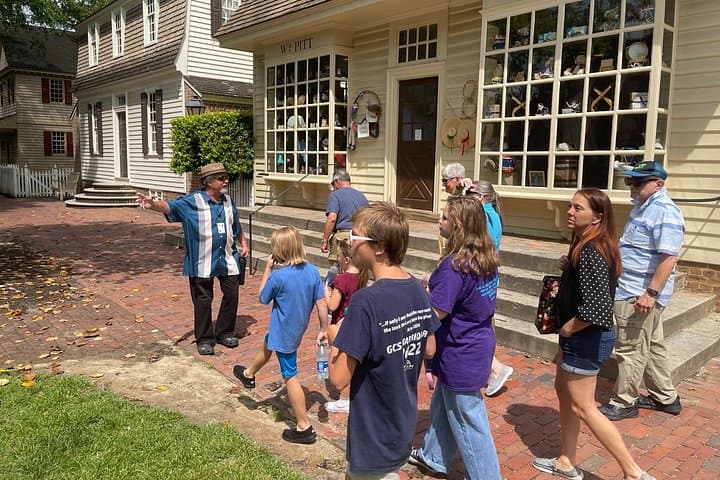
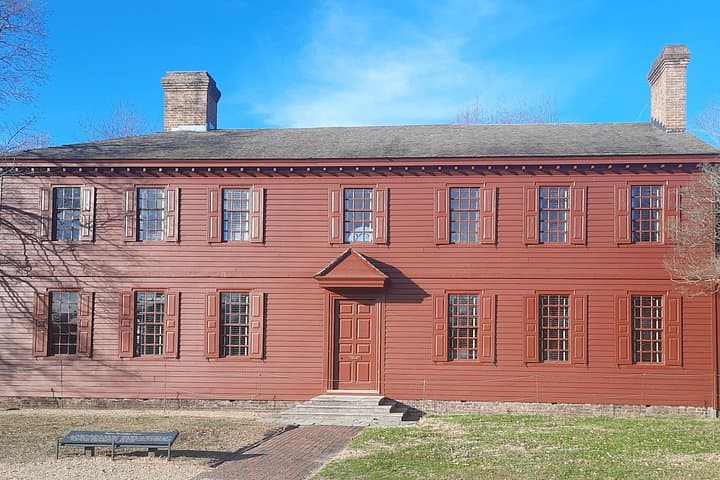
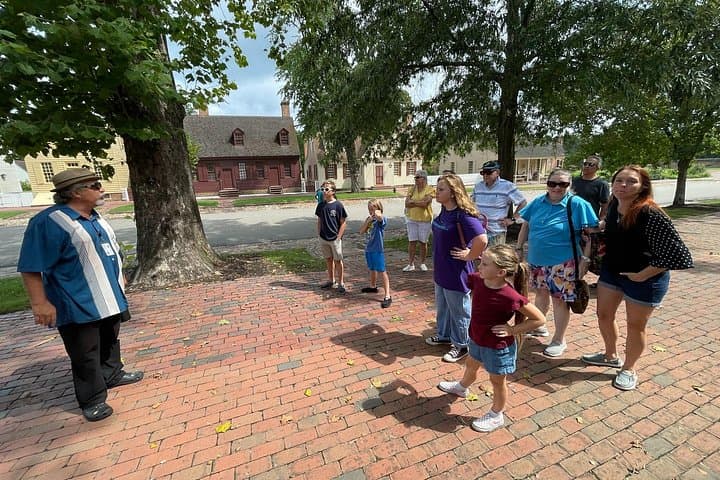
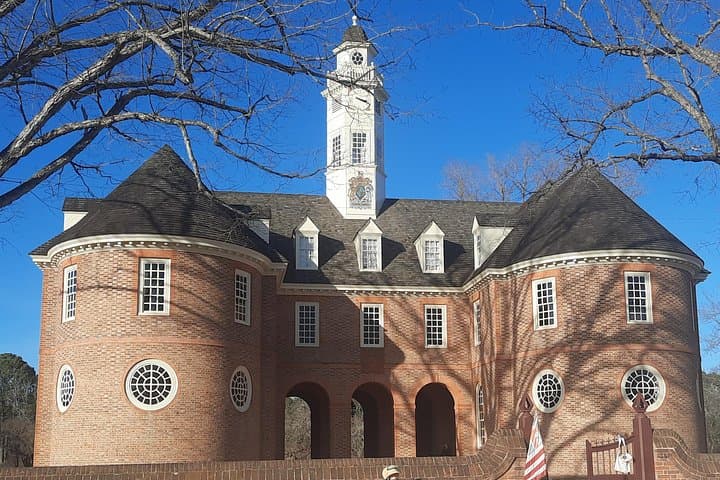
You meet at the windmill on Francis Street, where the spin of wooden sails and the hush of horse hooves—real or remembered—frame the first words. The guide lays out the itinerary: a compact, one-hour walk that moves from the windmill across cobbled lanes past the Colonial Capitol, the courthouse, and ends at the south end of Palace Green beside the Geddy House. The city’s brick streets give way to stories that have shaped Virginia and the nation.
You meet at the windmill on Francis Street, where the spin of wooden sails and the hush of horse hooves—real or remembered—frame the first words. The guide lays out the itinerary: a compact, one-hour walk that moves from the windmill across cobbled lanes past the Colonial Capitol, the courthouse, and ends at the south end of Palace Green beside the Geddy House. The city’s brick streets give way to stories that have shaped Virginia and the nation.
The tour traces the legal and economic roots of slavery in 17th- and 18th-century Virginia—how tobacco’s rise created labor systems and laws that codified bondage. Stops at the capitol and courthouse highlight statutes and enforcement; the segment by the Geddy House explores local attitudes and family histories. Geologically, Williamsburg sits on the Atlantic Coastal Plain—flat, marshy ground that made port access easy and tobacco cultivation profitable—factors that helped entrench plantation economies.
Expect a candid, corrective approach: the guide distinguishes between domestic and plantation slavery, debunks common myths, and connects past policies to modern social consequences. This is a walking conversation as much as a lecture—period architecture becomes evidence, not backdrop.
Practical notes: the route is largely flat and paved; it’s wheelchair- and stroller-accessible and suitable for most fitness levels. Colonial Williamsburg admission is not required, though some nearby museum sites have separate fees. Bring water, dress for sun or rain, and arrive 10 minutes early to find the meeting landmark. The tour suits visitors who want a focused, evidence-based account of slavery’s local history without a lengthy hike.