THE ADVENTURE COLLECTIVE® · Independent discovery and booking for outdoor travel

Spend a full day exploring Keoladeo National Park’s marshes and observation hides on a private trip from New Delhi. Expect close encounters with waterbirds, guided rickshaw routes through reed beds, and practical tips for peak sightings.
Spend a full day exploring Keoladeo National Park’s marshes and observation hides on a private trip from New Delhi. Expect close encounters with waterbirds, guided rickshaw routes through reed beds, and practical tips for peak sightings.
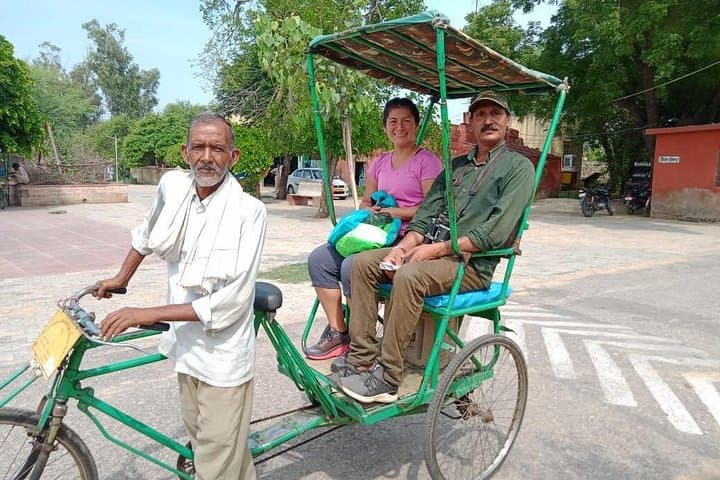
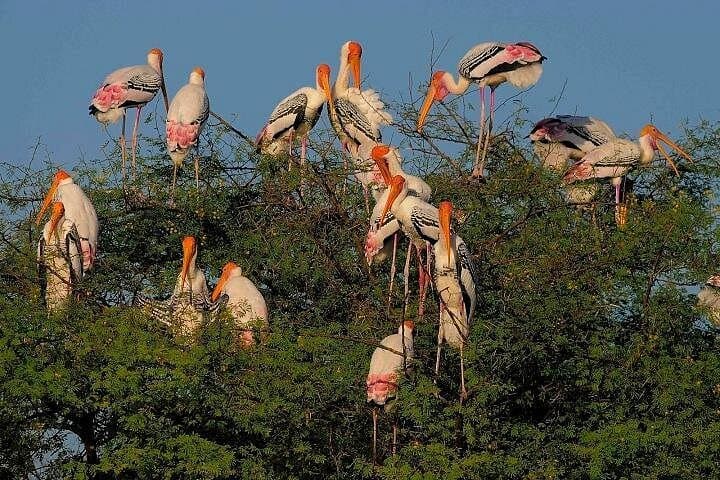
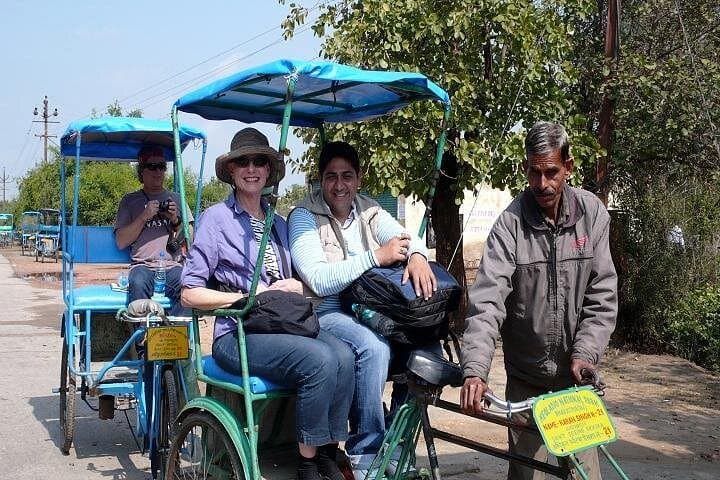
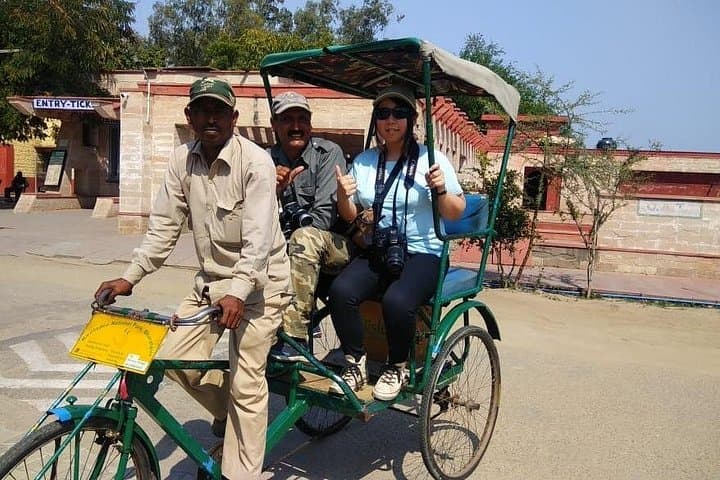
The morning light slices across shallow marshes as rickshaws thread narrow causeways and painted storks stand like slow-moving white flags — this is Keoladeo National Park, the great wetland heart of Bharatpur. A day here moves at bird time: early silence, sudden flurries of wings, and long, patient waits at observation points.
Verified experiences and guided adventures in the surrounding area.
Operated by MAM Holidays · Bharatpur, Rajasthan
The morning light slices across shallow marshes as rickshaws thread narrow causeways and painted storks stand like slow-moving white flags — this is Keoladeo National Park, the great wetland heart of Bharatpur. A day here moves at bird time: early silence, sudden flurries of wings, and long, patient waits at observation points.
The park began as a royal hunting ground in the 19th century, was designated a protected sanctuary in 1971 and earned UNESCO World Heritage status for its unique floodplain ecology. Geologically the basin is an alluvial lowland fed by seasonal monsoon runoff and managed bunds; that hydrology creates the shallow waters and reed beds that attract both resident and migratory waterfowl. Culturally, Bharatpur sits at the junction of Rajasthani village life and conservation history — local communities and park managers both influence water delivery and access.
Practical guidance: expect a long, full-day outing (hotel pickup in Delhi and private car transport are typical). The tour usually includes an English-speaking rickshaw guide for getting deeper into the sanctuary. Bring binoculars, a telephoto lens if you photograph, sun protection and insect repellent. Mornings and late afternoons are best for sightings; mid-day heats reduce activity. Stick to boardwalks and observation hides to minimize disturbance; keep voices low and avoid flash photography. If you want particular species — painted stork, sarus crane or migratory ducks — tell your guide early so routes can be adjusted. With a mix of patient watching and short walks, a single day can give a vivid snapshot of one of South Asia’s premier birding reserves.
moderate.
10–11 hours.
Good stamina for a full day of walking, standing and short rickshaw rides; trails are mostly flat but can be muddy.
Winter (November–February) is peak season when migratory waterbirds arrive; mornings are best on any day for active sightings.
Many private day-trip options include AC private car transport and hotel pickup and drop-off in New Delhi; confirm at booking.
Tours commonly include an English-speaking rickshaw driver/guide to access interior tracks; you can also hire local guides at the park entrance.
Follow park rules: stay on designated tracks, no loud noises, no feeding wildlife and respect restricted breeding areas to avoid disturbing birds.
Once a royal hunting reserve, Keoladeo was declared a protected sanctuary in 1971 and later designated a UNESCO World Heritage Site for its globally significant bird populations.
Water management and controlled flooding are central to the park’s ecology; visitors should stick to trails and avoid disturbing nesting areas to support conservation efforts.
MAM Holidays operates guided outdoor trips and adventures with an emphasis on safety, stewardship, and memorable experiences.
The morning light slices across shallow marshes as rickshaws thread narrow causeways and painted storks stand like slow-moving white flags — this is Keoladeo National Park, the great wetland heart of Bharatpur. A day here moves at bird time: early silence, sudden flurries of wings, and long, patient waits at observation points.
The morning light slices across shallow marshes as rickshaws thread narrow causeways and painted storks stand like slow-moving white flags — this is Keoladeo National Park, the great wetland heart of Bharatpur. A day here moves at bird time: early silence, sudden flurries of wings, and long, patient waits at observation points.
The park began as a royal hunting ground in the 19th century, was designated a protected sanctuary in 1971 and earned UNESCO World Heritage status for its unique floodplain ecology. Geologically the basin is an alluvial lowland fed by seasonal monsoon runoff and managed bunds; that hydrology creates the shallow waters and reed beds that attract both resident and migratory waterfowl. Culturally, Bharatpur sits at the junction of Rajasthani village life and conservation history — local communities and park managers both influence water delivery and access.
Practical guidance: expect a long, full-day outing (hotel pickup in Delhi and private car transport are typical). The tour usually includes an English-speaking rickshaw guide for getting deeper into the sanctuary. Bring binoculars, a telephoto lens if you photograph, sun protection and insect repellent. Mornings and late afternoons are best for sightings; mid-day heats reduce activity. Stick to boardwalks and observation hides to minimize disturbance; keep voices low and avoid flash photography. If you want particular species — painted stork, sarus crane or migratory ducks — tell your guide early so routes can be adjusted. With a mix of patient watching and short walks, a single day can give a vivid snapshot of one of South Asia’s premier birding reserves.