THE ADVENTURE COLLECTIVE® · Independent discovery and booking for outdoor travel

Spend a day in Bonwire learning the techniques and meanings behind world‑famous Kente cloth, then receive an Akan naming ceremony at the village palace. This combined cultural tour pairs hands‑on weaving with a formal, community‑led ritual.
Spend a day in Bonwire learning the techniques and meanings behind world‑famous Kente cloth, then receive an Akan naming ceremony at the village palace. This combined cultural tour pairs hands‑on weaving with a formal, community‑led ritual.
You step from an air‑conditioned vehicle into a village where colored threads command attention: narrow lanes lead to compound houses, elders sit under broad trees, and looms click like a low, steady heartbeat.
Verified experiences and guided adventures in the surrounding area.
Operated by Beyond the return 2020 · Bonwire, Ashanti Region
You step from an air‑conditioned vehicle into a village where colored threads command attention: narrow lanes lead to compound houses, elders sit under broad trees, and looms click like a low, steady heartbeat.
Bonwire is the birthplace of the Kente cloth, a woven language of pattern and color developed within the Ashanti kingdom. Geology here is unassuming—red laterite soils and planted palm groves—but culture fills the landscape: chiefs and queen‑mothers hold social authority, families keep oral histories, and symbols woven into Kente record proverbs, lineage and status.
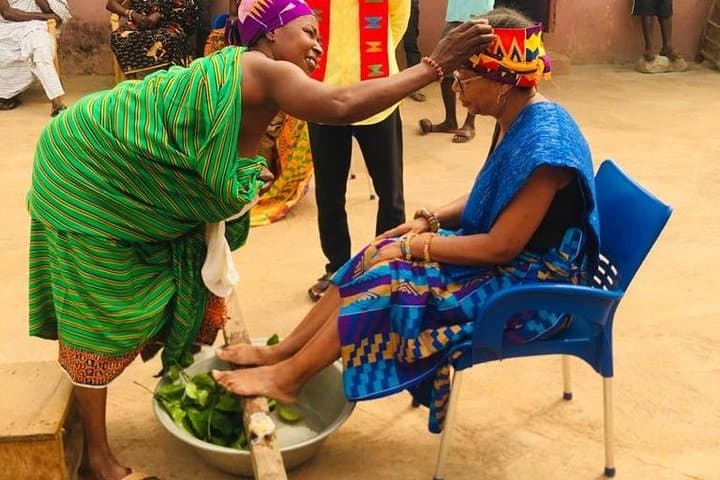
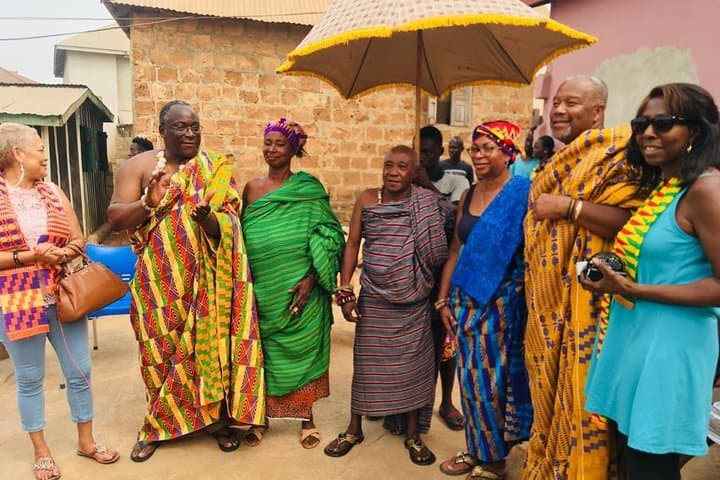
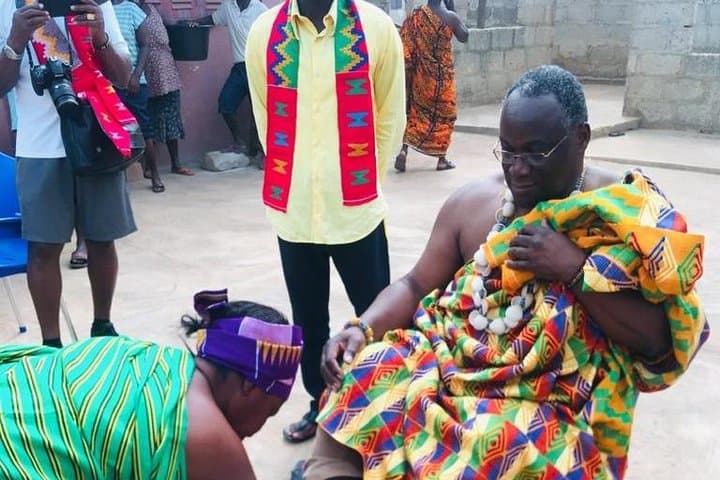
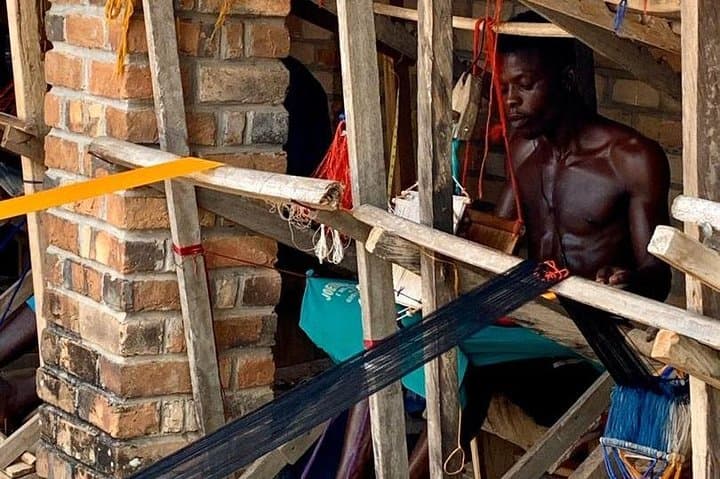
The day combines a weaving workshop and a traditional Akan naming ceremony held in the palace. Local weavers demonstrate single, double and triple weave techniques and explain the meaning behind commonly used patterns. The naming rite is led by village elders who pronounce your Akan names, present a certificate, and perform blessings rooted in centuries of Ashanti custom.
Practicalities are straightforward: the full experience runs about 5–6 hours, includes bottled water and a local lunch, and is suitable for most travelers. Expect gentle walking between sites, hands‑on weaving demonstrations, and a solemn, brief ceremony inside palace grounds where photography may be restricted. Bring modest clothing for a cultural setting, cash for purchases and a respectful attitude—this is both a craft tour and a living cultural exchange.
Whether you’re tracing family roots or simply curious about textile craft, Bonwire offers an immersive, grounded window into Ashanti artistry and ritual.
easy.
5–6 hours.
Suitable for most travelers with basic mobility; involves short walks and standing during demonstrations.
Yes — the ceremony is performed by community elders and the queen‑mother at the Bonwire palace and follows local Akan protocols.
Yes — workshops often sell finished cloth and small items; purchasing directly supports local artisans. Prices vary by weave complexity.
Some parts of the naming rite may be private; guides will advise when photography is appropriate—always ask first.
The experience is family‑friendly, though infants must sit on laps during the ceremony and some parts require quiet and respect.
Bonwire is credited as one of the core Ashanti communities where Kente weaving evolved as a court and ceremonial textile, with patterns carrying specific meanings tied to clans and proverbs.
Support artisans directly, avoid mass purchases from intermediaries, and respect cultural protocols—sustainable visitation helps preserve both craft and community.
Beyond the return 2020 operates guided outdoor trips and adventures with an emphasis on safety, stewardship, and memorable experiences.
You step from an air‑conditioned vehicle into a village where colored threads command attention: narrow lanes lead to compound houses, elders sit under broad trees, and looms click like a low, steady heartbeat.
You step from an air‑conditioned vehicle into a village where colored threads command attention: narrow lanes lead to compound houses, elders sit under broad trees, and looms click like a low, steady heartbeat.
Bonwire is the birthplace of the Kente cloth, a woven language of pattern and color developed within the Ashanti kingdom. Geology here is unassuming—red laterite soils and planted palm groves—but culture fills the landscape: chiefs and queen‑mothers hold social authority, families keep oral histories, and symbols woven into Kente record proverbs, lineage and status.
The day combines a weaving workshop and a traditional Akan naming ceremony held in the palace. Local weavers demonstrate single, double and triple weave techniques and explain the meaning behind commonly used patterns. The naming rite is led by village elders who pronounce your Akan names, present a certificate, and perform blessings rooted in centuries of Ashanti custom.
Practicalities are straightforward: the full experience runs about 5–6 hours, includes bottled water and a local lunch, and is suitable for most travelers. Expect gentle walking between sites, hands‑on weaving demonstrations, and a solemn, brief ceremony inside palace grounds where photography may be restricted. Bring modest clothing for a cultural setting, cash for purchases and a respectful attitude—this is both a craft tour and a living cultural exchange.
Whether you’re tracing family roots or simply curious about textile craft, Bonwire offers an immersive, grounded window into Ashanti artistry and ritual.