THE ADVENTURE COLLECTIVE® · Independent discovery and booking for outdoor travel

Enjoy traditional British high tea in the Kensington Palace Pavilion and choose skip-the-line palace access with an English audio guide. A private guide escorts you to the palace and helps with timed entry and audio-guide pickup.
Enjoy traditional British high tea in the Kensington Palace Pavilion and choose skip-the-line palace access with an English audio guide. A private guide escorts you to the palace and helps with timed entry and audio-guide pickup.
The clink of porcelain and the hush of the Sunken Garden set the scene: you’re seated at a small table in the Kensington Palace Pavilion, steam rising from a delicate bone-china pot as late afternoon light warms terraced lawns. Beyond the glass, the palace’s red-brick facade holds stories in its mortar; inside, exhibits trace a lineage of courtiers and a young Victoria who once called these rooms home.
Verified experiences and guided adventures in the surrounding area.
Operated by UK Tours & Activites · London, England
The clink of porcelain and the hush of the Sunken Garden set the scene: you’re seated at a small table in the Kensington Palace Pavilion, steam rising from a delicate bone-china pot as late afternoon light warms terraced lawns. Beyond the glass, the palace’s red-brick facade holds stories in its mortar; inside, exhibits trace a lineage of courtiers and a young Victoria who once called these rooms home.
Kensington Palace dates to the 17th century and has served as both private residence and public museum, its interiors layered with Georgian decor and Victorian biography. Geologically the site sits on the gentle, reclaimed floodplains of the Thames basin; the flat expanse of Kensington Gardens was shaped into promenades and formal beds in the 18th and 19th centuries as part of the Royal Parks project. British tea culture—an afternoon pause of small cakes, finger sandwiches, and strong black tea—grew from these same urban rituals of civility and leisure.
Practicalities are straightforward: meet your guide at 7–9 Kensington High Street (the Hux Hotel meeting point), expect a 2–2.5 hour window for tea and, if selected, fast-track entry to the palace with an English audio guide. There are security checks at palace entry and some timed ticketing; bring ID for booked tickets. The Pavilion and palace route are wheelchair accessible, and dietary requirements can be accommodated with advance notice. Timing your visit for mid-afternoon reduces crowds and gives better light for photos of the Sunken Garden.
This experience blends a relaxed culinary ritual with self-guided access to a compact slice of royal history—ideal for travelers who want cultural depth without long lines or complicated logistics.
easy.
2–3 hours.
Suitable for all fitness levels; minimal walking between the pavilion and palace with mostly level paths
Skip‑the‑line tickets let you bypass the ticket counter but you still pass security and must enter within your timed slot.
The included audio guide for the palace on this option is provided in English only; other languages may be available directly from the palace on limited devices.
Yes—the Pavilion and palace routes noted in the tour information are wheelchair accessible, and transport options nearby support accessibility.
Infants must sit on an adult’s lap; strollers are permitted in garden areas but may be restricted during palace security screening.
Kensington Palace was remodeled in the late 1600s and became a royal residence; it’s known as the birthplace of Queen Victoria and later home to many members of the royal family.
Kensington Gardens are managed by Royal Parks with programs to protect historic planting schemes and promote responsible visitor behavior to limit wear on lawns and flowerbeds.
UK Tours & Activites operates guided outdoor trips and adventures with an emphasis on safety, stewardship, and memorable experiences.
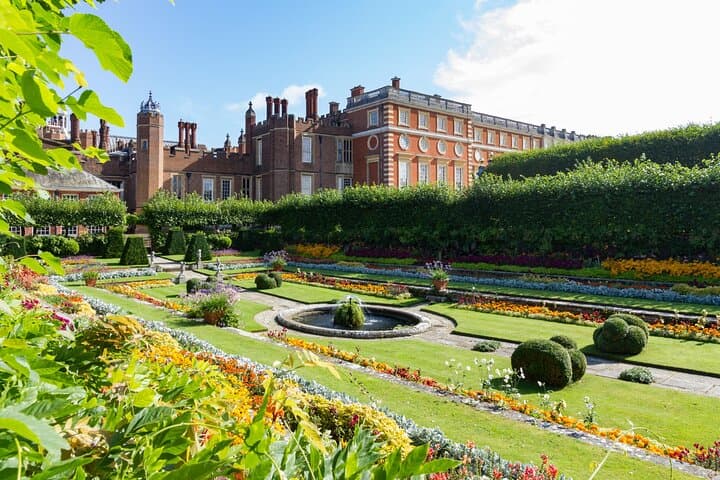
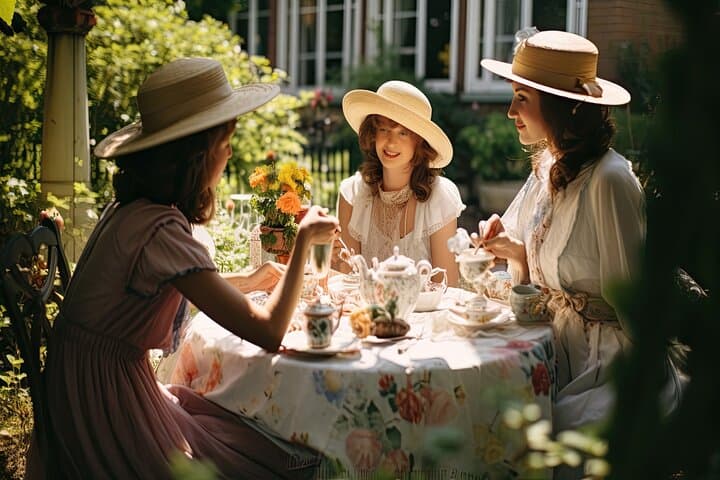
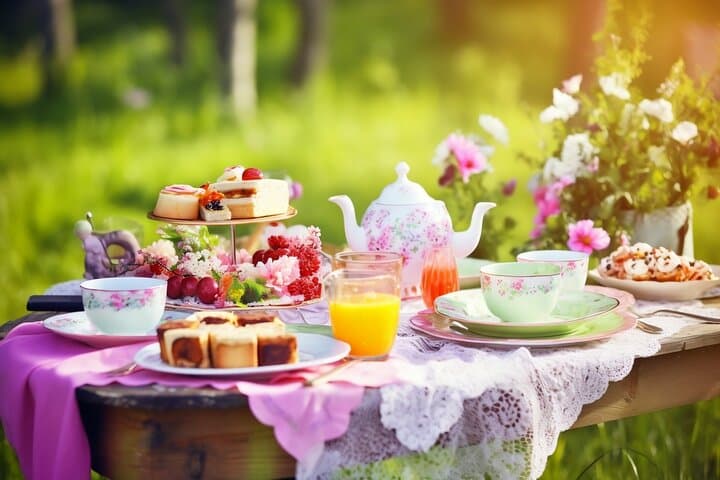
The clink of porcelain and the hush of the Sunken Garden set the scene: you’re seated at a small table in the Kensington Palace Pavilion, steam rising from a delicate bone-china pot as late afternoon light warms terraced lawns. Beyond the glass, the palace’s red-brick facade holds stories in its mortar; inside, exhibits trace a lineage of courtiers and a young Victoria who once called these rooms home.
The clink of porcelain and the hush of the Sunken Garden set the scene: you’re seated at a small table in the Kensington Palace Pavilion, steam rising from a delicate bone-china pot as late afternoon light warms terraced lawns. Beyond the glass, the palace’s red-brick facade holds stories in its mortar; inside, exhibits trace a lineage of courtiers and a young Victoria who once called these rooms home.
Kensington Palace dates to the 17th century and has served as both private residence and public museum, its interiors layered with Georgian decor and Victorian biography. Geologically the site sits on the gentle, reclaimed floodplains of the Thames basin; the flat expanse of Kensington Gardens was shaped into promenades and formal beds in the 18th and 19th centuries as part of the Royal Parks project. British tea culture—an afternoon pause of small cakes, finger sandwiches, and strong black tea—grew from these same urban rituals of civility and leisure.
Practicalities are straightforward: meet your guide at 7–9 Kensington High Street (the Hux Hotel meeting point), expect a 2–2.5 hour window for tea and, if selected, fast-track entry to the palace with an English audio guide. There are security checks at palace entry and some timed ticketing; bring ID for booked tickets. The Pavilion and palace route are wheelchair accessible, and dietary requirements can be accommodated with advance notice. Timing your visit for mid-afternoon reduces crowds and gives better light for photos of the Sunken Garden.
This experience blends a relaxed culinary ritual with self-guided access to a compact slice of royal history—ideal for travelers who want cultural depth without long lines or complicated logistics.