THE ADVENTURE COLLECTIVE® · Independent discovery and booking for outdoor travel

Trade Osaka’s street hum for the sharp rhythm of the dojo. This two-hour beginners’ kendo class teaches etiquette, kata, and basic strikes with equipment provided—an accessible introduction to samurai-derived sword arts.
Trade Osaka’s street hum for the sharp rhythm of the dojo. This two-hour beginners’ kendo class teaches etiquette, kata, and basic strikes with equipment provided—an accessible introduction to samurai-derived sword arts.
Stepping into the dojo, the polished wood breathes a soft echo beneath your feet and the distant city noise fades to a respectful hush. Instructors in dark hakama move with economy: a practiced nod, the scrape of a bokken, and the group folds into the ritual of bowing. For two hours you trade the clamor of Osaka for the measured cadence of kendo—posture, etiquette, and the small, exacting gestures that make a strike meaningful.
Verified experiences and guided adventures in the surrounding area.
Operated by kendo-samurai · Osaka, Osaka Prefecture
Stepping into the dojo, the polished wood breathes a soft echo beneath your feet and the distant city noise fades to a respectful hush. Instructors in dark hakama move with economy: a practiced nod, the scrape of a bokken, and the group folds into the ritual of bowing. For two hours you trade the clamor of Osaka for the measured cadence of kendo—posture, etiquette, and the small, exacting gestures that make a strike meaningful.
Kendo evolved from kenjutsu schools that trained samurai across Japan; its modern form codified in the late 19th and 20th centuries emphasizes discipline and mutual respect as much as technique. In Osaka—long a merchant hub with samurai and townspeople sharing crowded streets—kendo remains a living link to that layered past. Expect demonstrations of kata (prearranged forms), guided fitting into dogi and hakama, and hands-on practice with bamboo shinai and wooden iaito.
Practical guidance: the session is about 120 minutes, open to beginners but physically active—moderate fitness helps. Equipment and uniforms are supplied but sizes vary; booking information asks for height and weight so staff can prepare gear. Typical inclusions: equipment rental, mineral water, a commemorative towel, photo, and a certificate. Note medical restrictions (no heart, spinal, or pregnancy issues) and that the dojo requires respect for etiquette—arrive on time, keep jewelry off, and follow instructor cues. Leave with a clearer sense of bushido-influenced discipline, a cert, and a memory of rhythm replacing city noise.
moderate.
2 hours.
Moderately fit—able to stand, move quickly, and respond to instructor-led drills for the full session.
No—this class is designed for beginners and starts with basic etiquette, posture, and simple strikes under close supervision.
Instructors stock a range of dogi, hakama and protective gear; booking requests height and weight to help prepare, but very small or very large sizes may be limited.
The booking form asks age details; infants must sit on laps and the activity expects participants to be physically able—check with the operator for exact age minimums.
Full refund if canceled at least 24 hours before departure; the operator may cancel for bad weather or low bookings and refunds follow their stated policy.
Kendo developed from samurai sword schools (kenjutsu) and was formalized as a modern martial art in the late 19th and 20th centuries; Osaka’s urban history mixed merchant culture and martial traditions.
Respect dojo spaces and local rules—minimizing noise and waste helps preserve training halls; support small, local martial arts shops that keep traditional crafts alive.
kendo-samurai operates guided outdoor trips and adventures with an emphasis on safety, stewardship, and memorable experiences.
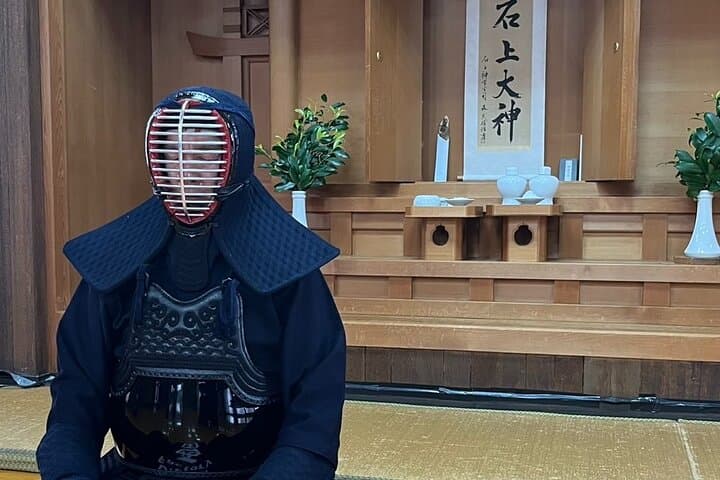
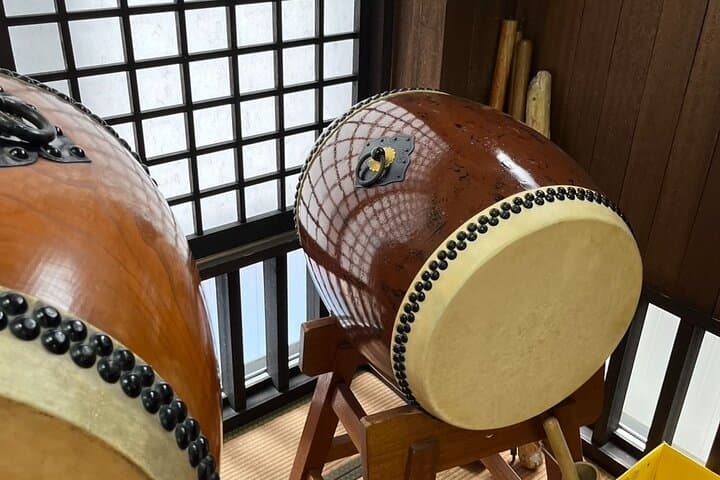
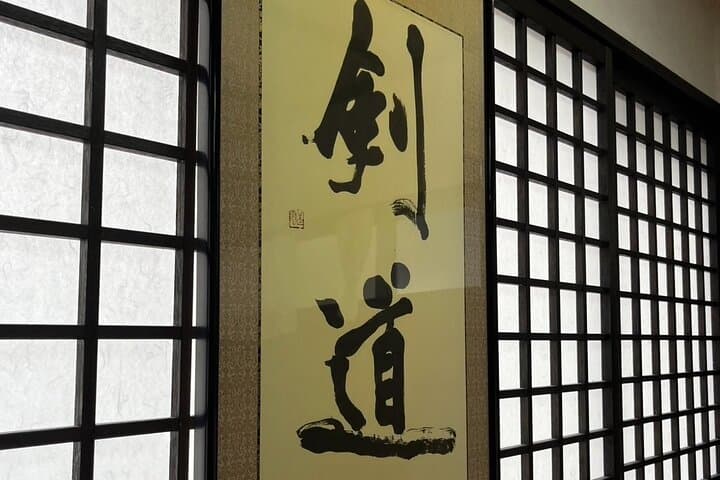
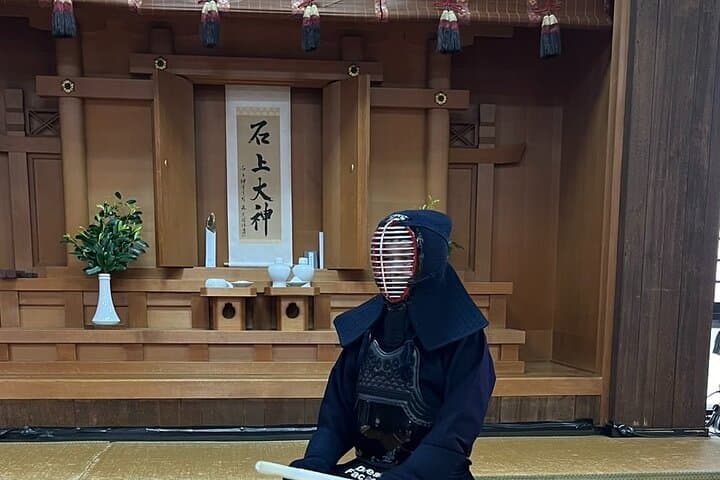
Stepping into the dojo, the polished wood breathes a soft echo beneath your feet and the distant city noise fades to a respectful hush. Instructors in dark hakama move with economy: a practiced nod, the scrape of a bokken, and the group folds into the ritual of bowing. For two hours you trade the clamor of Osaka for the measured cadence of kendo—posture, etiquette, and the small, exacting gestures that make a strike meaningful.
Stepping into the dojo, the polished wood breathes a soft echo beneath your feet and the distant city noise fades to a respectful hush. Instructors in dark hakama move with economy: a practiced nod, the scrape of a bokken, and the group folds into the ritual of bowing. For two hours you trade the clamor of Osaka for the measured cadence of kendo—posture, etiquette, and the small, exacting gestures that make a strike meaningful.
Kendo evolved from kenjutsu schools that trained samurai across Japan; its modern form codified in the late 19th and 20th centuries emphasizes discipline and mutual respect as much as technique. In Osaka—long a merchant hub with samurai and townspeople sharing crowded streets—kendo remains a living link to that layered past. Expect demonstrations of kata (prearranged forms), guided fitting into dogi and hakama, and hands-on practice with bamboo shinai and wooden iaito.
Practical guidance: the session is about 120 minutes, open to beginners but physically active—moderate fitness helps. Equipment and uniforms are supplied but sizes vary; booking information asks for height and weight so staff can prepare gear. Typical inclusions: equipment rental, mineral water, a commemorative towel, photo, and a certificate. Note medical restrictions (no heart, spinal, or pregnancy issues) and that the dojo requires respect for etiquette—arrive on time, keep jewelry off, and follow instructor cues. Leave with a clearer sense of bushido-influenced discipline, a cert, and a memory of rhythm replacing city noise.