THE ADVENTURE COLLECTIVE® · Independent discovery and booking for outdoor travel

See three of central Scotland’s most compelling sights in a single day: the towering steel Kelpies, the rotating Falkirk Wheel, and Stirling Castle’s dramatic perch. This small-group tour pairs engineering and medieval history with easy walking and clear logistics.
See three of central Scotland’s most compelling sights in a single day: the towering steel Kelpies, the rotating Falkirk Wheel, and Stirling Castle’s dramatic perch. This small-group tour pairs engineering and medieval history with easy walking and clear logistics.
Morning light hits the steel faces first. You step off the coach onto the gravel approach at The Helix and the Kelpies loom thirty metres high, metal muscles frozen mid-stride as if the canal winds still tug at their hooves.
Verified experiences and guided adventures in the surrounding area.
Operated by Private tours Edinburgh · Falkirk, Scotland
Morning light hits the steel faces first. You step off the coach onto the gravel approach at The Helix and the Kelpies loom thirty metres high, metal muscles frozen mid-stride as if the canal winds still tug at their hooves.
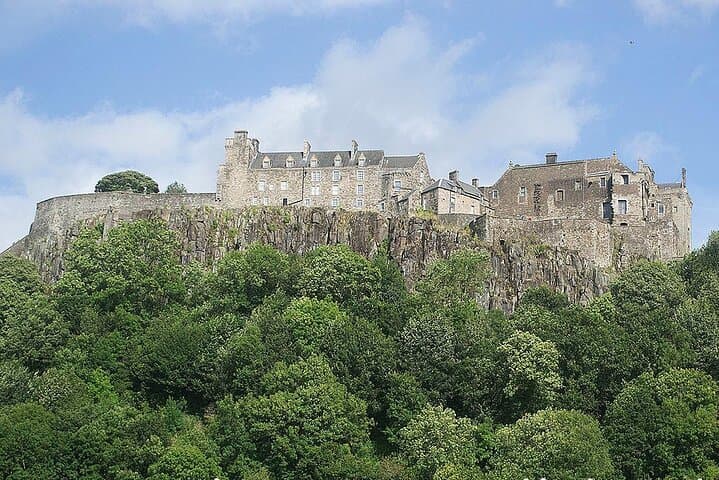
The route moves from sculpted equine giants to a machine that seems to defy gravity: the Falkirk Wheel, where two gondolas rotate with a patient mechanical grace to raise and lower boats between canals. By afternoon the tour climbs toward Stirling Castle, sitting hard on its volcanic rock, watching the Forth Valley spread below like a map of Scotland’s past.
This loop threads industrial-era engineering, modern public art, and medieval power. The Kelpies, created by Andy Scott, honor the draft horses that powered canals and factories; the Falkirk Wheel reconnects eighteenth-century waterways with twenty-first-century ingenuity; Stirling Castle has been a strategic stronghold since the Middle Ages and played a decisive role in the Wars of Independence.
Expect easy walking, paved viewing platforms, and a mix of indoor and outdoor moments—castle rooms are stone-floored and often cooler. Photography is best in the soft morning or late afternoon light; midday brings tourists and stronger shadows. Weather shifts fast: rain and wind are part of the landscape’s personality. Practicalities: the small-group format keeps wait times low, but admission to Stirling Castle is typically separate—check before you go. Wear waterproof layers, sturdy shoes, and bring a small daypack for layers, a refillable bottle, and any camera gear. If you want quieter photos, ask the guide about timing at each stop; shorter stays at each site mean planning where to shoot first. This is a compact day of big visuals and clear historical context—accessible, informative, and shaped by Scotland’s elemental weather and engineered past.
easy.
6 hours.
Suitable for travelers of most fitness levels; involves short, flat walks and some steps in historic buildings.
Admissions are often not included—verify on booking and reserve a castle ticket separately if required.
This tour offers hotel pickup and drop-off in the Edinburgh area; confirm your pickup point when booking.
Sites have accessible viewing areas and stroller access, but Stirling Castle has historic spaces and uneven surfaces—check specific accessibility needs with the operator.
There are short stops where you can buy snacks or use cafes near major sites; bring basic snacks for flexibility.
The Kelpies reference working horses that powered Scotland’s canals and industry; Stirling Castle dominated travel and trade routes and was central in Scotland’s medieval conflicts.
Sites manage visitor flow to protect historic fabric and waterside habitats—stay on paths, avoid climbing sculptures, and follow local guidance to reduce erosion and disturbance.
Private tours Edinburgh operates guided outdoor trips and adventures with an emphasis on safety, stewardship, and memorable experiences.
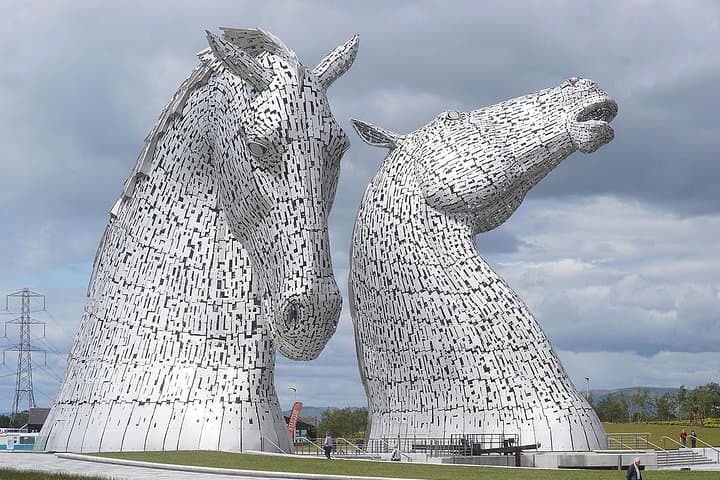
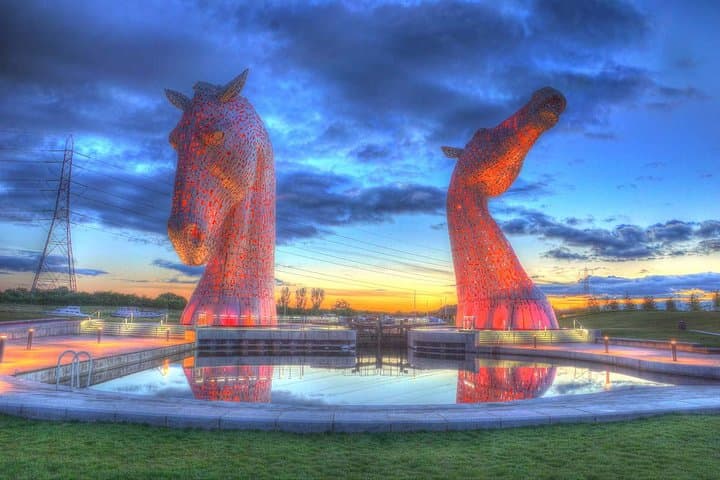
Morning light hits the steel faces first. You step off the coach onto the gravel approach at The Helix and the Kelpies loom thirty metres high, metal muscles frozen mid-stride as if the canal winds still tug at their hooves.
Morning light hits the steel faces first. You step off the coach onto the gravel approach at The Helix and the Kelpies loom thirty metres high, metal muscles frozen mid-stride as if the canal winds still tug at their hooves.
The route moves from sculpted equine giants to a machine that seems to defy gravity: the Falkirk Wheel, where two gondolas rotate with a patient mechanical grace to raise and lower boats between canals. By afternoon the tour climbs toward Stirling Castle, sitting hard on its volcanic rock, watching the Forth Valley spread below like a map of Scotland’s past.
This loop threads industrial-era engineering, modern public art, and medieval power. The Kelpies, created by Andy Scott, honor the draft horses that powered canals and factories; the Falkirk Wheel reconnects eighteenth-century waterways with twenty-first-century ingenuity; Stirling Castle has been a strategic stronghold since the Middle Ages and played a decisive role in the Wars of Independence.
Expect easy walking, paved viewing platforms, and a mix of indoor and outdoor moments—castle rooms are stone-floored and often cooler. Photography is best in the soft morning or late afternoon light; midday brings tourists and stronger shadows. Weather shifts fast: rain and wind are part of the landscape’s personality. Practicalities: the small-group format keeps wait times low, but admission to Stirling Castle is typically separate—check before you go. Wear waterproof layers, sturdy shoes, and bring a small daypack for layers, a refillable bottle, and any camera gear. If you want quieter photos, ask the guide about timing at each stop; shorter stays at each site mean planning where to shoot first. This is a compact day of big visuals and clear historical context—accessible, informative, and shaped by Scotland’s elemental weather and engineered past.