THE ADVENTURE COLLECTIVE® · Independent discovery and booking for outdoor travel

A full-day, mixed land-and-boat excursion from Side that combines a Kekova island boat trip, the sunken ruins visible from the water, and guided visits to Myra and St. Nicholas Church. Ideal for travelers wanting history, calm sea passages, and short archaeological walks.
A full-day, mixed land-and-boat excursion from Side that combines a Kekova island boat trip, the sunken ruins visible from the water, and guided visits to Myra and St. Nicholas Church. Ideal for travelers wanting history, calm sea passages, and short archaeological walks.
Aboard an early coach from Side you cross the scrubbed limestone of Turkey’s Lycian coast toward Demre, where rock-cut tombs stare down at the road and the sea dares you to look closer. The day opens on turquoise water; a small boat slips along Kekova’s fragments of stone walls and half-submerged roofs, and the current seems to push time backward into the Roman and Lycian ruins below.
Verified experiences and guided adventures in the surrounding area.
Operated by Alya Travel · Demre, Antalya Province
Aboard an early coach from Side you cross the scrubbed limestone of Turkey’s Lycian coast toward Demre, where rock-cut tombs stare down at the road and the sea dares you to look closer. The day opens on turquoise water; a small boat slips along Kekova’s fragments of stone walls and half-submerged roofs, and the current seems to push time backward into the Roman and Lycian ruins below.
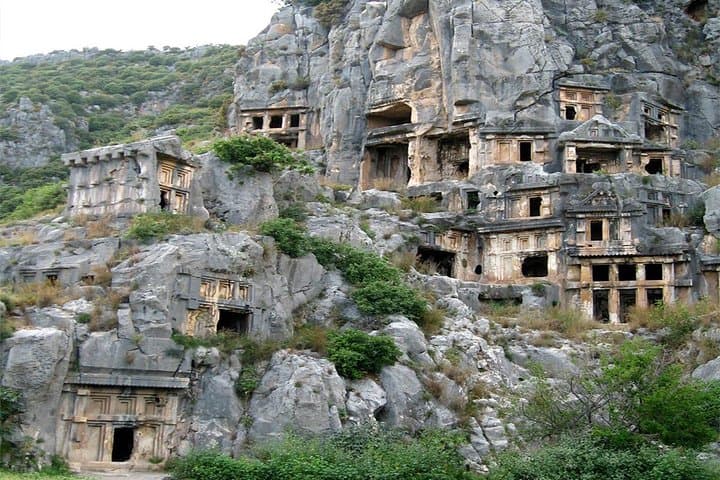
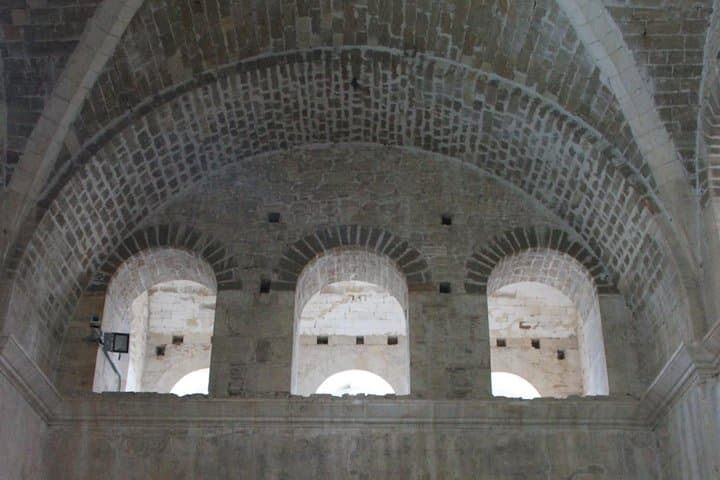
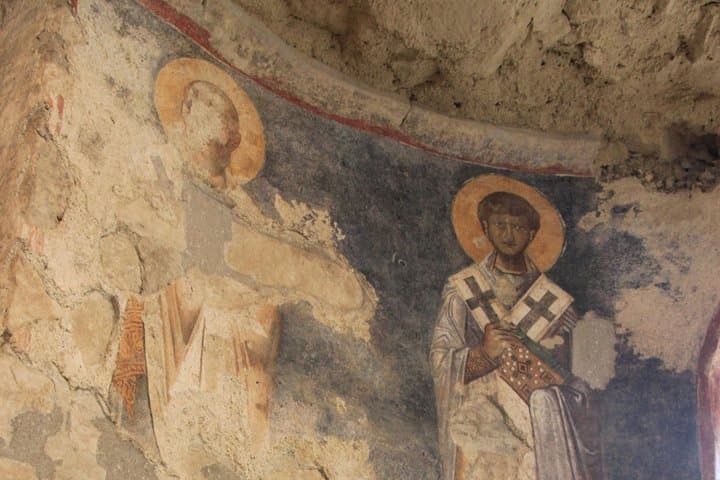
Myra’s cliff-face tombs and the basilica of St. Nicholas tell overlapping stories — Lycian builders who carved homes into rock, Byzantine congregations, and a 4th-century bishop whose legacy became the Saint Nicholas legend. Geologically, the shoreline here is folded limestone and karst ridges, eroded to create hidden coves and pinnacles that direct currents and concentrate marine life. Culturally, fishing villages such as Üçağız and Kaleköy (Simena) remain low-key, with stone houses and a slow rhythm set by the sea.
Practical guidance: this is a full-day excursion (bring sun protection, a swimsuit and a light jacket for morning and evening winds). Expect short walks on uneven archaeological sites and a guided visit inside St. Nicholas Church; guides typically handle entrance tickets. The boat portion is calm but requires stepping over low gunwales — non-slip shoes help. Bring local currency for small vendors and cameras with polarizing filters to cut glare on the sunken ruins. Timing your visit for early season helps avoid peak crowds and hottest midday sun. The route combines shore archaeology and open-water observation — it’s an accessible, sensory-rich way to reach Lycian history by sea and land.
easy.
14 hours (full-day).
Suitable for people in average fitness who can board small boats and walk short distances on uneven terrain
Yes — a locally prepared lunch is included and typically served at a waterfront restaurant on Kekova or in a nearby village.
Yes — the boat usually stops for a short swim in calm coves; follow crew guidance and avoid anchoring on seagrass beds.
Yes — the itinerary includes a guided visit to the basilica ruins of St. Nicholas in Demre; entrance is typically included by the tour operator.
The tour involves boarding a small boat and walking on uneven archaeological sites, so it is not recommended for those with significant mobility limitations.
This coastline is classic Lycian country: rock-cut tombs from the 4th–1st centuries BCE sit above Byzantine churches; Demre was the seat of Bishop Nicholas in the 4th century CE.
Kekova’s shallow bays host Posidonia seagrass meadows; visitors should avoid anchoring on beds and follow local operator guidance to reduce impact.
Alya Travel operates guided outdoor trips and adventures with an emphasis on safety, stewardship, and memorable experiences.
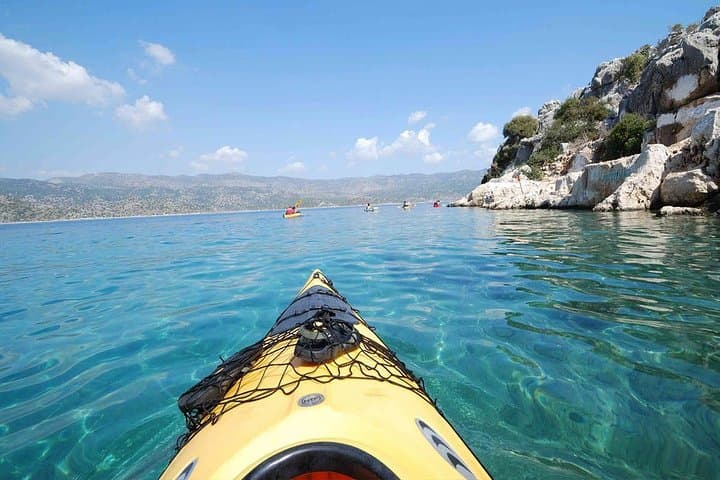
Aboard an early coach from Side you cross the scrubbed limestone of Turkey’s Lycian coast toward Demre, where rock-cut tombs stare down at the road and the sea dares you to look closer. The day opens on turquoise water; a small boat slips along Kekova’s fragments of stone walls and half-submerged roofs, and the current seems to push time backward into the Roman and Lycian ruins below.
Aboard an early coach from Side you cross the scrubbed limestone of Turkey’s Lycian coast toward Demre, where rock-cut tombs stare down at the road and the sea dares you to look closer. The day opens on turquoise water; a small boat slips along Kekova’s fragments of stone walls and half-submerged roofs, and the current seems to push time backward into the Roman and Lycian ruins below.
Myra’s cliff-face tombs and the basilica of St. Nicholas tell overlapping stories — Lycian builders who carved homes into rock, Byzantine congregations, and a 4th-century bishop whose legacy became the Saint Nicholas legend. Geologically, the shoreline here is folded limestone and karst ridges, eroded to create hidden coves and pinnacles that direct currents and concentrate marine life. Culturally, fishing villages such as Üçağız and Kaleköy (Simena) remain low-key, with stone houses and a slow rhythm set by the sea.
Practical guidance: this is a full-day excursion (bring sun protection, a swimsuit and a light jacket for morning and evening winds). Expect short walks on uneven archaeological sites and a guided visit inside St. Nicholas Church; guides typically handle entrance tickets. The boat portion is calm but requires stepping over low gunwales — non-slip shoes help. Bring local currency for small vendors and cameras with polarizing filters to cut glare on the sunken ruins. Timing your visit for early season helps avoid peak crowds and hottest midday sun. The route combines shore archaeology and open-water observation — it’s an accessible, sensory-rich way to reach Lycian history by sea and land.