THE ADVENTURE COLLECTIVE® · Independent discovery and booking for outdoor travel

Sail over submerged Lycian ruins, swim in sheltered Mediterranean bays, and visit the Byzantine church of St. Nicholas on a full‑day coastal tour from Antalya. Expect clear water, cliff‑cut tombs and a mix of gentle walking and sea time.
Sail over submerged Lycian ruins, swim in sheltered Mediterranean bays, and visit the Byzantine church of St. Nicholas on a full‑day coastal tour from Antalya. Expect clear water, cliff‑cut tombs and a mix of gentle walking and sea time.
You step onto the quay with salt on your lips and the gulls arguing overhead; the boat eases away from the harbor and the coast draws a slow, sunlit arc behind you. The first pause is Beymelek — a small Ottoman-era village where stone houses and greenhouse plots smell of tomato and oregano, and a long brunch gives your legs a gentle wake-up before the sea work begins.
Verified experiences and guided adventures in the surrounding area.
Operated by Destination Services Turkey · Demre, Antalya
You step onto the quay with salt on your lips and the gulls arguing overhead; the boat eases away from the harbor and the coast draws a slow, sunlit arc behind you. The first pause is Beymelek — a small Ottoman-era village where stone houses and greenhouse plots smell of tomato and oregano, and a long brunch gives your legs a gentle wake-up before the sea work begins.
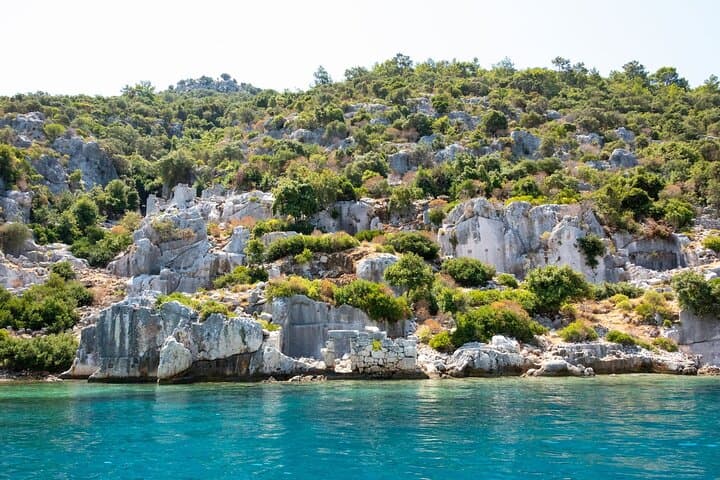
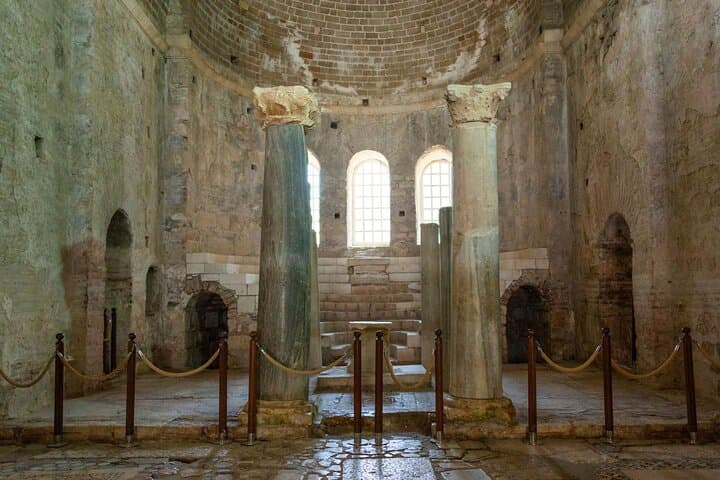
The water around Kekova is unusually clear; glide above submerged walls and stairways and you can read the outline of a Lycian town half-drowned by an ancient earthquake. The island’s geology—limestone cliffs cleaved and smoothed by wave action—frames the ruins and makes the sea a living map of the past. Later, Demre and the Church of St. Nicholas offer a quieter kind of history: a Byzantine basilica that holds the empty tomb of the 4th-century bishop who became Santa Claus, surrounded by inscriptions and local lore.
Myra’s amphitheatre and the carved Lycian rock tombs are tangible: theatrical masks, friezes and cliff-side graves that put human scale against coastal geology. Between sites there’s time to swim in sheltered bays when the weather allows; currents here are playful but can be decisive.
Practical edge: this is a long, full-day excursion (about 10 hours) with boat transfers and some walking on uneven archaeological stone. Expect a mix of sun, salt spray and short shore walks; bring sturdy shoes, sun protection, swim kit and a light layer for breezy crossings. If weather cancels the boat you’ll visit the Demre museum instead—still a rich way to read the Lycian past.
easy.
10 hours.
Suitable for people in average fitness who can manage short walks on uneven archaeological sites and board boats.
Yes—when sea and weather conditions permit there is a swim stop in a sheltered bay near Kekova; bring swimwear and a towel.
If the boat crossing is canceled for safety, the tour typically substitutes a visit to the Demre museum and other inland sites to ensure the day remains rich in history.
Entrance fees to the archaeological sites noted in the itinerary and a local lunch are included in the tour price as described in the listing.
The tour involves boat transfers and walking on uneven ancient stone; it’s broadly suitable for most ages but may be difficult for those with limited mobility or very young children given the long coach ride and shore terrain.
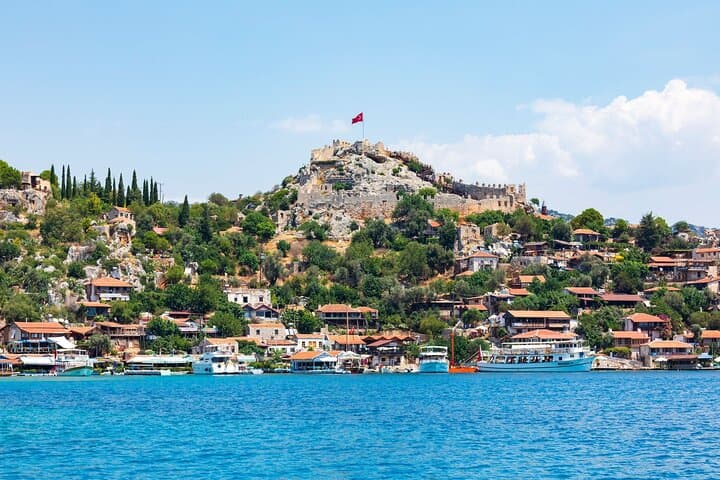
This coastline was part of ancient Lycia; earthquakes and gradual subsidence left towns like Simena partly underwater while Myra remained an important Lycian-Roman city later linked to St. Nicholas.
Kekova is a protected zone with restrictions on anchoring and diving in certain areas—respect no-anchoring zones, avoid touching ruins and use reef-safe sunscreen to reduce impact.
Destination Services Turkey operates guided outdoor trips and adventures with an emphasis on safety, stewardship, and memorable experiences.
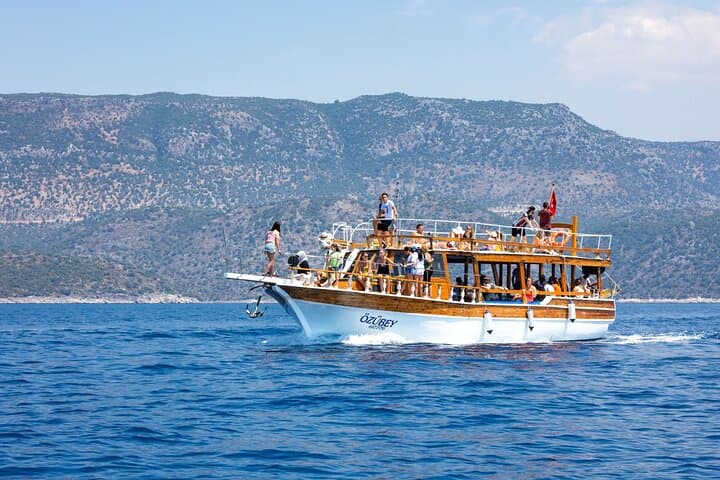
You step onto the quay with salt on your lips and the gulls arguing overhead; the boat eases away from the harbor and the coast draws a slow, sunlit arc behind you. The first pause is Beymelek — a small Ottoman-era village where stone houses and greenhouse plots smell of tomato and oregano, and a long brunch gives your legs a gentle wake-up before the sea work begins.
You step onto the quay with salt on your lips and the gulls arguing overhead; the boat eases away from the harbor and the coast draws a slow, sunlit arc behind you. The first pause is Beymelek — a small Ottoman-era village where stone houses and greenhouse plots smell of tomato and oregano, and a long brunch gives your legs a gentle wake-up before the sea work begins.
The water around Kekova is unusually clear; glide above submerged walls and stairways and you can read the outline of a Lycian town half-drowned by an ancient earthquake. The island’s geology—limestone cliffs cleaved and smoothed by wave action—frames the ruins and makes the sea a living map of the past. Later, Demre and the Church of St. Nicholas offer a quieter kind of history: a Byzantine basilica that holds the empty tomb of the 4th-century bishop who became Santa Claus, surrounded by inscriptions and local lore.
Myra’s amphitheatre and the carved Lycian rock tombs are tangible: theatrical masks, friezes and cliff-side graves that put human scale against coastal geology. Between sites there’s time to swim in sheltered bays when the weather allows; currents here are playful but can be decisive.
Practical edge: this is a long, full-day excursion (about 10 hours) with boat transfers and some walking on uneven archaeological stone. Expect a mix of sun, salt spray and short shore walks; bring sturdy shoes, sun protection, swim kit and a light layer for breezy crossings. If weather cancels the boat you’ll visit the Demre museum instead—still a rich way to read the Lycian past.