THE ADVENTURE COLLECTIVE® · Independent discovery and booking for outdoor travel

Spend two days paddling and camping in Kejimkujik National Park with guided, family-friendly canoes, lakeside campsites and dark-sky viewing. Ideal for beginners and families who want low-portage, high-comfort backcountry time.
Spend two days paddling and camping in Kejimkujik National Park with guided, family-friendly canoes, lakeside campsites and dark-sky viewing. Ideal for beginners and families who want low-portage, high-comfort backcountry time.
A low bow to wind and water: a small flotilla of canoes slips off Jake's Landing and onto the glassy lake, paddles cutting quiet ripples as hemlock-shaded shorelines watch. For two days the world contracts to water, campsite and the slow work of setting a fire, boiling coffee, and listening to loons call across evening light.
Verified experiences and guided adventures in the surrounding area.
Operated by Whynot Adventure Outfitters · Caledonia, Nova Scotia
A low bow to wind and water: a small flotilla of canoes slips off Jake's Landing and onto the glassy lake, paddles cutting quiet ripples as hemlock-shaded shorelines watch. For two days the world contracts to water, campsite and the slow work of setting a fire, boiling coffee, and listening to loons call across evening light.
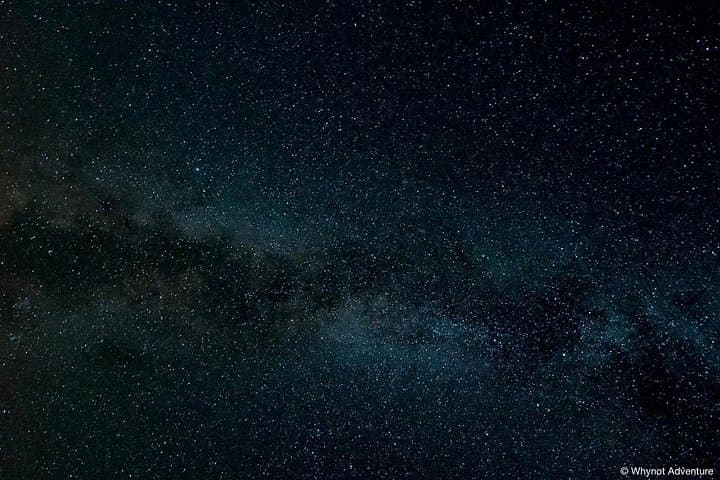
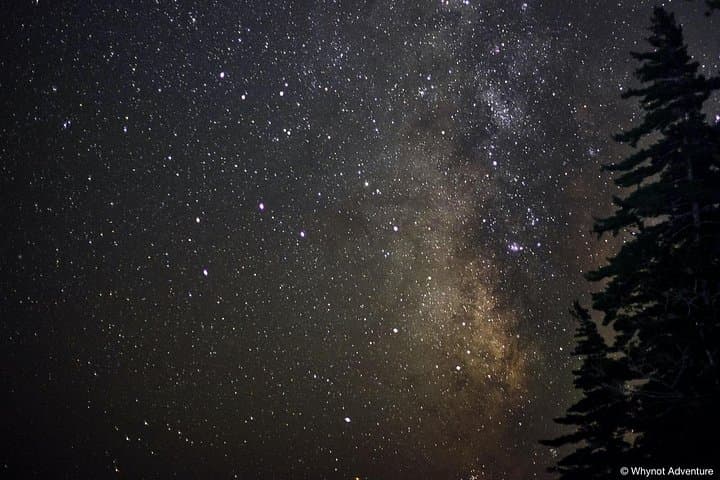
Kejimkujik sits on ancestral Mi'kmaq territory and is both a National Park and National Historic Site—its forests, lakes and rock outcrops keep evidence of Indigenous travel and storytelling. Geologically the park is part of the ancient Appalachian foothills; rounded outcrops and glacially scoured basins shape the lakes, while acidic soils support long stands of red spruce and old-growth hemlock near the campsites. Cultural threads here include Mi'kmaq canoe routes and Parks Canada stewardship, and the park's designation as a Dark Sky Preserve makes nightfall a major feature.
This trip focuses on gentle paddling and camping rather than marathon portages—minimal carrying, family-friendly pace, and a campsite base that invites swimming, shoreline exploring, and star watching. Guides handle food, tents and safety gear; participants should expect basic canoe instruction, sheltered campsite setup, and moments of stillness on the water.
Practical guidance: bring layered clothing for cool mornings and damp evenings, a warm sleep system, bug protection for warmer months, and a dry bag for electronics. Keep food-secure, follow Leave No Trace, and check park and operator briefings for weather or wildlife advisories before launch.
easy.
2 days.
Moderate fitness—able to paddle for short stretches, carry a small pack, and move around a campsite.
No—this trip is guided and designed for beginners; guides teach basic strokes and safety before launch.
Guides, canoe and safety equipment, camping tents, and meals from lunch on day one through lunch on day two are included.
Yes—this itinerary is family-focused and suitable for young children, but families should disclose ages at booking and follow guide safety instructions.
Backcountry tent camps use a private outhouse and bear-safe food storage; guides manage site cleanliness and waste procedures.
Kejimkujik preserves Mi'kmaq canoe routes and petroglyph sites and is managed as both a National Park and a National Historic Site.
Visitors should follow Parks Canada rules: pack out waste, minimize campfire impacts and respect dark-sky policies to protect nocturnal habitat.
Whynot Adventure Outfitters operates guided outdoor trips and adventures with an emphasis on safety, stewardship, and memorable experiences.
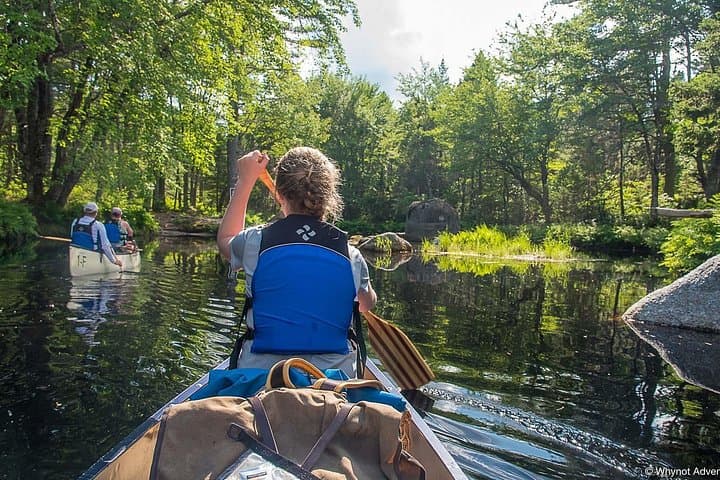
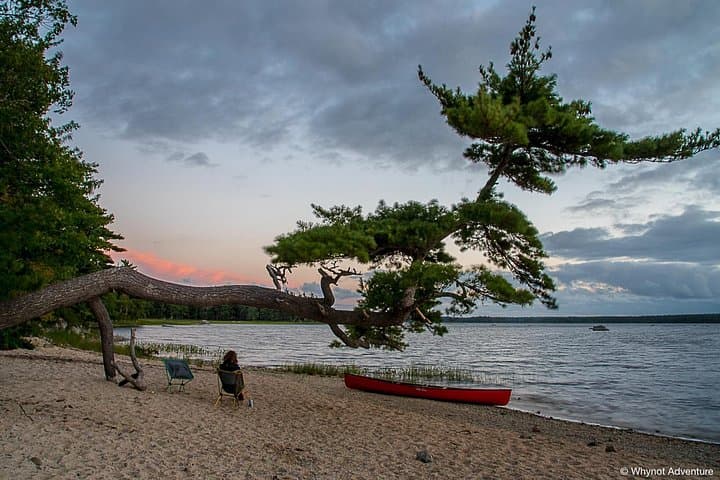
A low bow to wind and water: a small flotilla of canoes slips off Jake's Landing and onto the glassy lake, paddles cutting quiet ripples as hemlock-shaded shorelines watch. For two days the world contracts to water, campsite and the slow work of setting a fire, boiling coffee, and listening to loons call across evening light.
A low bow to wind and water: a small flotilla of canoes slips off Jake's Landing and onto the glassy lake, paddles cutting quiet ripples as hemlock-shaded shorelines watch. For two days the world contracts to water, campsite and the slow work of setting a fire, boiling coffee, and listening to loons call across evening light.
Kejimkujik sits on ancestral Mi'kmaq territory and is both a National Park and National Historic Site—its forests, lakes and rock outcrops keep evidence of Indigenous travel and storytelling. Geologically the park is part of the ancient Appalachian foothills; rounded outcrops and glacially scoured basins shape the lakes, while acidic soils support long stands of red spruce and old-growth hemlock near the campsites. Cultural threads here include Mi'kmaq canoe routes and Parks Canada stewardship, and the park's designation as a Dark Sky Preserve makes nightfall a major feature.
This trip focuses on gentle paddling and camping rather than marathon portages—minimal carrying, family-friendly pace, and a campsite base that invites swimming, shoreline exploring, and star watching. Guides handle food, tents and safety gear; participants should expect basic canoe instruction, sheltered campsite setup, and moments of stillness on the water.
Practical guidance: bring layered clothing for cool mornings and damp evenings, a warm sleep system, bug protection for warmer months, and a dry bag for electronics. Keep food-secure, follow Leave No Trace, and check park and operator briefings for weather or wildlife advisories before launch.