THE ADVENTURE COLLECTIVE® · Independent discovery and booking for outdoor travel

Cruise Naples Bay to Keewaydin Island for three hours of dolphin sightings, shelling on a nine-mile sugar-sand beach, and interpretive stories from experienced captains. Family-friendly and education-focused, the tour pairs wildlife viewing with practical beach time.
Cruise Naples Bay to Keewaydin Island for three hours of dolphin sightings, shelling on a nine-mile sugar-sand beach, and interpretive stories from experienced captains. Family-friendly and education-focused, the tour pairs wildlife viewing with practical beach time.
The motor hum lowers as the shoreline falls away and the Gulf opens like a bright, shallow bowl. Salt spray presses against your sunglasses and the captain points, a quick, practiced motion: a row of dark backs arcs and disappears. Dolphins arrive as if on cue, skimming the bow with the steady confidence of locals who know every current and channel.
Verified experiences and guided adventures in the surrounding area.
Operated by Sand Dollar Boat Tours of Naples · Naples, Florida
The motor hum lowers as the shoreline falls away and the Gulf opens like a bright, shallow bowl. Salt spray presses against your sunglasses and the captain points, a quick, practiced motion: a row of dark backs arcs and disappears. Dolphins arrive as if on cue, skimming the bow with the steady confidence of locals who know every current and channel.
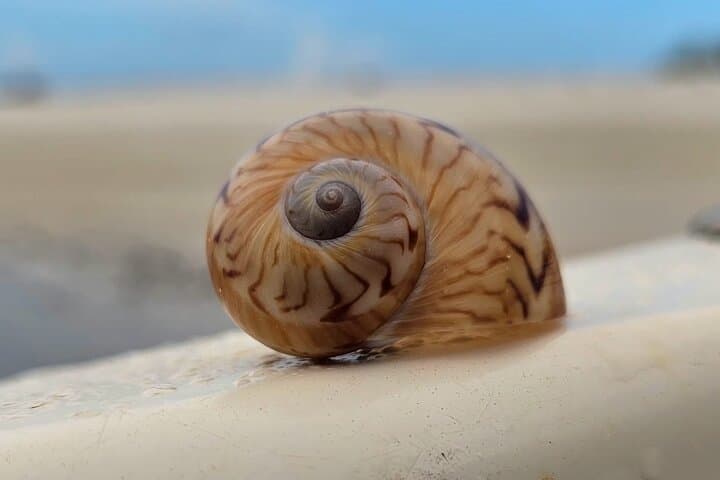
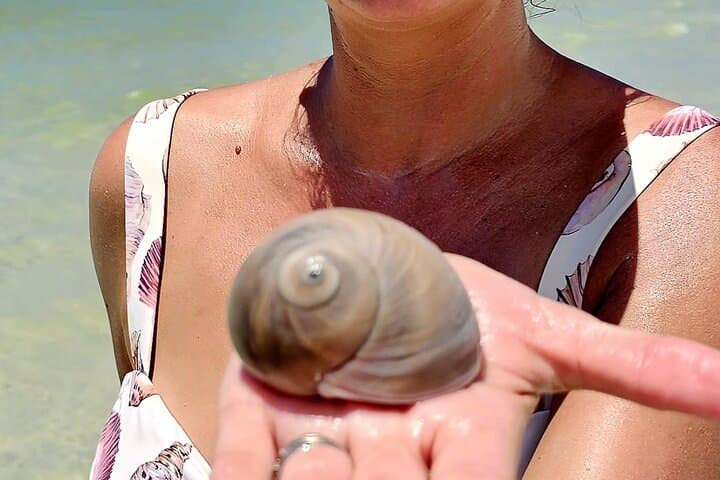
This half-day tour from Naples takes you through Naples Bay, past the manicured waterfront estates of Port Royal, and into the mangrove-hemmed channels that feed the barrier islands. Keewaydin Island itself is a nine-mile ribbon of sugar sand—an undisturbed fringe that collects shells in surprising abundance. Among them, the Junonia is the superstar: a patterned, hard-to-find shell that draws collectors despite protections and seasonal scarcity.
Geology here is recent—barrier islands built by wave action and the slow shuffling of sand. The beaches are low-lying, their profiles changing after storms. Human history is layered: from Calusa use of the estuaries to 20th-century developers who shaped Naples’ waterfront. Today, captains and naturalists on local boats act as interpreters, translating tides, bird calls, and dolphin behavior into a readable ecology.
Expect a family-friendly rhythm: a quiet cruise, binoculars raised for flocks of terns, then a slow approach to the beach for shelling and shoretime. Guides explain which shells are protected and how to minimize your footprint—leave live shells and fragile dune vegetation in place. The day’s real currency is proximity: to dolphins that ride wakes, to the hush of a remote beach, to small treasures that the surf leaves at your feet.
Practical details: tours run about three hours and operate from a meet point near the Naples boat-charter slips. Wear reef shoes for walking the shell-strewn shore; sun on the open Gulf is strong and constant. Bring reef-safe sunscreen, a wide-brim hat, and a dry bag for phones and valuables. If your goal is Junonia hunting, go early in the season after calm seas; after storms the beach reconfigures and fresh finds can appear.
Safety and stewardship are part of the rhythm—captains check currents and returning weather, and small groups keep the wildlife disturbance low. For families, the thrill is immediate: kids tracking dolphin arcs and learning that an ecosystem can be playful and precise at once. For photographers and shellers, Keewaydin rewards patience: the best moments are unannounced, a dolphin’s glint, a cluster of perfect shells half-buried in the bright sand.
If you want to make an outing of it, plan extra time in Naples afterward—seafood and shade are close at hand. But on the water, the day is measured by tide and light, and the island keeps its quiet rules: move slowly, look closely, and the shoreline will yield stories.
easy.
3 hours.
Suitable for people of all fitness levels; requires short walks on sand and stable balance boarding the boat.
The tour is approximately three hours from the meet point to return.
Yes—this trip is family-friendly; infants must sit on an adult’s lap and crew will advise on safe boarding.
Dolphins are commonly seen—captains know local pods and routes—but wildlife sightings can't be guaranteed.
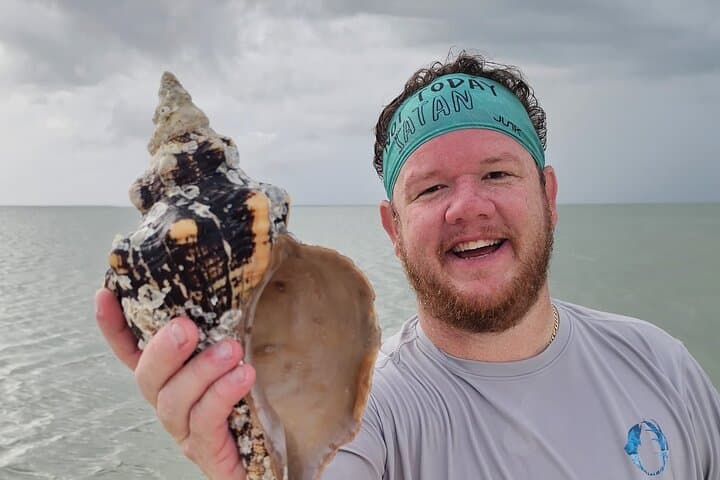
You may collect empty, unprotected shells; guides will point out protected species like live conchs which must not be taken.
There are no restrooms on Keewaydin; boats depart from the docks where facilities may be available before boarding.
Trips are canceled for severe weather; if conditions are marginal captains will decide and the operator offers refunds for cancellations at least 24 hours prior.
The Naples shoreline was historically used by the Calusa people and later developed into private waterfront estates; barrier islands like Keewaydin have long served as resource zones for shellfish and birds.
Operators commonly emphasize leave-no-trace shelling and reef-safe products; preserving live shell populations and dune vegetation is key to the island’s health.
Sand Dollar Boat Tours of Naples operates guided outdoor trips and adventures with an emphasis on safety, stewardship, and memorable experiences.
The motor hum lowers as the shoreline falls away and the Gulf opens like a bright, shallow bowl. Salt spray presses against your sunglasses and the captain points, a quick, practiced motion: a row of dark backs arcs and disappears. Dolphins arrive as if on cue, skimming the bow with the steady confidence of locals who know every current and channel.
The motor hum lowers as the shoreline falls away and the Gulf opens like a bright, shallow bowl. Salt spray presses against your sunglasses and the captain points, a quick, practiced motion: a row of dark backs arcs and disappears. Dolphins arrive as if on cue, skimming the bow with the steady confidence of locals who know every current and channel.
This half-day tour from Naples takes you through Naples Bay, past the manicured waterfront estates of Port Royal, and into the mangrove-hemmed channels that feed the barrier islands. Keewaydin Island itself is a nine-mile ribbon of sugar sand—an undisturbed fringe that collects shells in surprising abundance. Among them, the Junonia is the superstar: a patterned, hard-to-find shell that draws collectors despite protections and seasonal scarcity.
Geology here is recent—barrier islands built by wave action and the slow shuffling of sand. The beaches are low-lying, their profiles changing after storms. Human history is layered: from Calusa use of the estuaries to 20th-century developers who shaped Naples’ waterfront. Today, captains and naturalists on local boats act as interpreters, translating tides, bird calls, and dolphin behavior into a readable ecology.
Expect a family-friendly rhythm: a quiet cruise, binoculars raised for flocks of terns, then a slow approach to the beach for shelling and shoretime. Guides explain which shells are protected and how to minimize your footprint—leave live shells and fragile dune vegetation in place. The day’s real currency is proximity: to dolphins that ride wakes, to the hush of a remote beach, to small treasures that the surf leaves at your feet.
Practical details: tours run about three hours and operate from a meet point near the Naples boat-charter slips. Wear reef shoes for walking the shell-strewn shore; sun on the open Gulf is strong and constant. Bring reef-safe sunscreen, a wide-brim hat, and a dry bag for phones and valuables. If your goal is Junonia hunting, go early in the season after calm seas; after storms the beach reconfigures and fresh finds can appear.
Safety and stewardship are part of the rhythm—captains check currents and returning weather, and small groups keep the wildlife disturbance low. For families, the thrill is immediate: kids tracking dolphin arcs and learning that an ecosystem can be playful and precise at once. For photographers and shellers, Keewaydin rewards patience: the best moments are unannounced, a dolphin’s glint, a cluster of perfect shells half-buried in the bright sand.
If you want to make an outing of it, plan extra time in Naples afterward—seafood and shade are close at hand. But on the water, the day is measured by tide and light, and the island keeps its quiet rules: move slowly, look closely, and the shoreline will yield stories.