THE ADVENTURE COLLECTIVE® · Independent discovery and booking for outdoor travel

Spend a full day moving from Borobudur’s ancient stone terraces to the rushing cascade of Kedung Kayang. This private tour combines major temples with a short waterfall trek, ideal for travelers who want culture plus light adventure.
Spend a full day moving from Borobudur’s ancient stone terraces to the rushing cascade of Kedung Kayang. This private tour combines major temples with a short waterfall trek, ideal for travelers who want culture plus light adventure.
You step out of an air‑conditioned van into a ring of rice fields while distant peaks push clouds across the sky; the day stretches wide between ancient stone and falling water. The tour threads two very different landscapes — the carved terraces and stupas of Borobudur, then a country road that leads to Kedung Kayang’s plunge, where the river dares you closer along a dirt path.
Verified experiences and guided adventures in the surrounding area.
Operated by Fery Sony · Yogyakarta, Special Region of Yogyakarta
You step out of an air‑conditioned van into a ring of rice fields while distant peaks push clouds across the sky; the day stretches wide between ancient stone and falling water. The tour threads two very different landscapes — the carved terraces and stupas of Borobudur, then a country road that leads to Kedung Kayang’s plunge, where the river dares you closer along a dirt path.
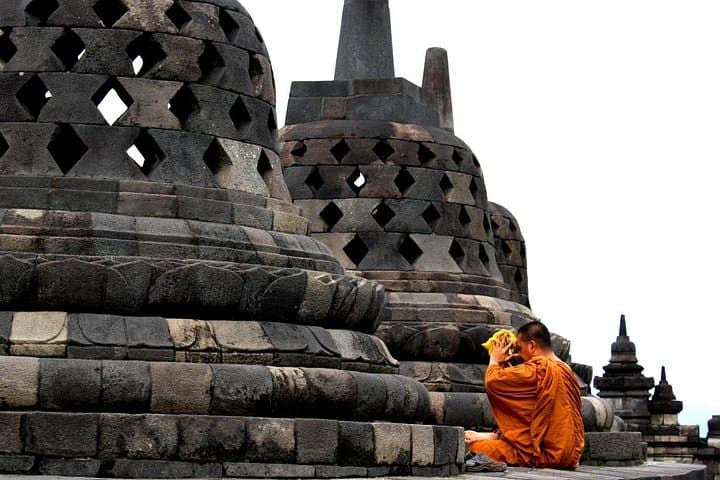
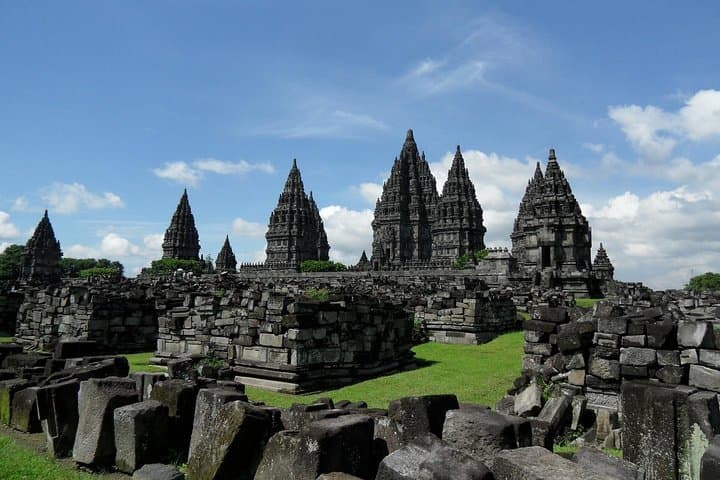
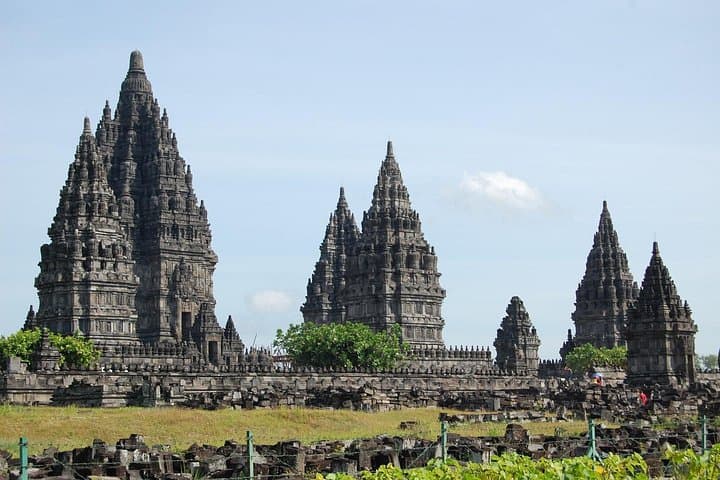
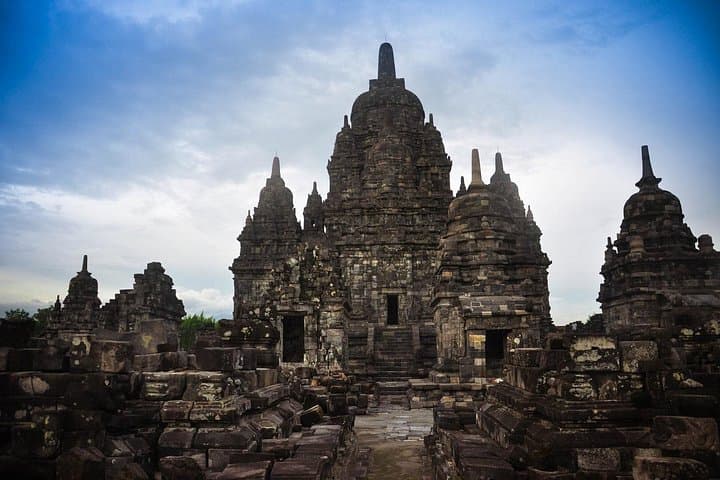
Borobudur, built in the 8th–9th centuries by the Sailendra dynasty, is a layered encyclopedia in stone: bas-reliefs map life and cosmology while stupas peer over the surrounding plain and volcanic horizon. Prambanan’s tapering towers nearby tell the Hindu counterpoint to the island’s religious history. Kedung Kayang sits on volcanic foothills; its waterfall cuts through basalt and alluvial soils, offering a short, sometimes slippery trek to the viewing ledge.
Expect modest temple dress codes and steady walking on uneven temple platforms and village trails. The day is long — plan for 10–12 hours including transfers — so hydration, sun protection, and stable shoes matter. Cameras will want wide lenses at Borobudur and a faster shutter at the falls. Local guides explain relief panels and point out birds and monkeys; tip in local currency.
Logistics are simple: private transport from Yogyakarta, wheelchair‑accessible vehicles available, and options to customize stops. Travel in the dry months for clearer views; bring a light rain jacket during the monsoon. Move deliberately here — the pace alternates between reverent silence at temple steps and the rush of jungle water — and both reward the traveler who comes prepared.
easy.
10–12 hours.
Basic stamina for a full day of walking, short hikes, and getting in/out of vehicles; suitable for most fitness levels.
No; the itinerary notes admission is not included, so plan to pay entrance fees on-site or arrange tickets in advance.
Yes; private air‑conditioned transport is provided and most operators offer hotel pickup—confirm your pickup point when booking.
Vehicles are wheelchair accessible, and some temple grounds have ramps, but steep temple platforms and natural trails may limit access to certain viewpoints.
The Kedung Kayang approach is a short, moderately uneven trail; it’s not technical but can be slippery after rain and requires steady footing.
Borobudur is a 9th‑century Mahayana Buddhist monument built by the Sailendra dynasty; nearby Prambanan dates to the same era as a major Hindu complex.
Stay on marked paths at temples and trails, avoid single‑use plastics, and hire local guides to support community‑based conservation and responsible tourism.
Fery Sony operates guided outdoor trips and adventures with an emphasis on safety, stewardship, and memorable experiences.
You step out of an air‑conditioned van into a ring of rice fields while distant peaks push clouds across the sky; the day stretches wide between ancient stone and falling water. The tour threads two very different landscapes — the carved terraces and stupas of Borobudur, then a country road that leads to Kedung Kayang’s plunge, where the river dares you closer along a dirt path.
You step out of an air‑conditioned van into a ring of rice fields while distant peaks push clouds across the sky; the day stretches wide between ancient stone and falling water. The tour threads two very different landscapes — the carved terraces and stupas of Borobudur, then a country road that leads to Kedung Kayang’s plunge, where the river dares you closer along a dirt path.
Borobudur, built in the 8th–9th centuries by the Sailendra dynasty, is a layered encyclopedia in stone: bas-reliefs map life and cosmology while stupas peer over the surrounding plain and volcanic horizon. Prambanan’s tapering towers nearby tell the Hindu counterpoint to the island’s religious history. Kedung Kayang sits on volcanic foothills; its waterfall cuts through basalt and alluvial soils, offering a short, sometimes slippery trek to the viewing ledge.
Expect modest temple dress codes and steady walking on uneven temple platforms and village trails. The day is long — plan for 10–12 hours including transfers — so hydration, sun protection, and stable shoes matter. Cameras will want wide lenses at Borobudur and a faster shutter at the falls. Local guides explain relief panels and point out birds and monkeys; tip in local currency.
Logistics are simple: private transport from Yogyakarta, wheelchair‑accessible vehicles available, and options to customize stops. Travel in the dry months for clearer views; bring a light rain jacket during the monsoon. Move deliberately here — the pace alternates between reverent silence at temple steps and the rush of jungle water — and both reward the traveler who comes prepared.