THE ADVENTURE COLLECTIVE® · Independent discovery and booking for outdoor travel

A compact Himalayan trek from Sankri to a 3,810 m summit, Kedarkantha is famous for its snow-carpeted winter ridges and panoramic views. This guide covers what to expect, practical logistics, and seasonal tips for planning a safe, scenic ascent.
A compact Himalayan trek from Sankri to a 3,810 m summit, Kedarkantha is famous for its snow-carpeted winter ridges and panoramic views. This guide covers what to expect, practical logistics, and seasonal tips for planning a safe, scenic ascent.
A cold dawn settles over Sankri as headlamps bob like distant fireflies and the first tea kettles begin to sing. You shoulder a pack and step onto a trail that climbs through pine and silver birch, each breath fogging in the clear Garhwal air. The slope tightens, snow softens underfoot, and the ridge opens to a wide, wind-swept bowl that frames the Kedarkantha summit — a compact, rocky cap at roughly 3,810 meters that rewards effort with a 360° panorama of snow-ribbed peaks.
Verified experiences and guided adventures in the surrounding area.
Operated by BanBanjara · Sankri, Uttarakhand
A cold dawn settles over Sankri as headlamps bob like distant fireflies and the first tea kettles begin to sing. You shoulder a pack and step onto a trail that climbs through pine and silver birch, each breath fogging in the clear Garhwal air. The slope tightens, snow softens underfoot, and the ridge opens to a wide, wind-swept bowl that frames the Kedarkantha summit — a compact, rocky cap at roughly 3,810 meters that rewards effort with a 360° panorama of snow-ribbed peaks.
Geology here is straightforward Himalayan: folded metamorphic rock carved by glaciers, with moraines and cirques marking the last ice’s work. Culturally, the route threads small shepherd hamlets and Sankri, a village where homestays introduce simple Garhwali food and mountain hospitality. Myth links the name to Lord Shiva — “Kedar” — and many trekkers note the quiet, reflective mood the ridge seems to induce.
Expect a classic alpine trek: 20–25 km round-trip spread over 4–6 days, roughly 1,500–1,900 m cumulative ascent depending on start point, variable snow underfoot in winter, and exposed ridgelines on summit day. Navigation follows well-trodden trails but can be obscured in whiteout; local guides and basic map-and-compass sense are prudent.
Practical tips: time summit pushes for clear-weather mornings, layer for sharp temperature swings, break early to avoid afternoon wind, and carry microspikes in winter. Respect local conservation rules inside Govind Pashu Vihar — pack out what you pack in — and book permits or homestays through reputable operators. The Kedarkantha trek is compact, scenic, and accessible: a high-reward introduction to winter Himalayan trekking if you prepare for cold, altitude, and variable trail conditions.
moderate.
4–6 days.
Moderate fitness: comfortable with consecutive days of 4–7 hours hiking, carrying a daypack; some prior trekking experience helps.
Kedarkantha is popular in winter (Dec–Mar) for snow, and in spring/summer (Apr–Jun, Sep–Nov) for green alpine meadows; choose winter for snow-clad scenery and summer for milder conditions.
The trek passes through Govind Pashu Vihar areas with local regulations; many operators include permits and a guide—use reputable providers and check current rules before travel.
Summit is about 3,810 m with 1,400–1,900 m ascent from village start points; pace yourself and monitor for mild altitude symptoms—acclimatization days help.
Yes—Sankri offers guesthouses and homestays; operators commonly provide tented camping on shared-basis for multi-day treks.
The route lies in the Garhwal Himalaya and carries local Shiva-related mythology—'Kedar' links the area to Lord Shiva in regional tradition.
The trek crosses Govind Pashu Vihar-managed zones; follow Leave No Trace, use established campsites, and avoid disturbing wildlife or grazing areas.
BanBanjara operates guided outdoor trips and adventures with an emphasis on safety, stewardship, and memorable experiences.
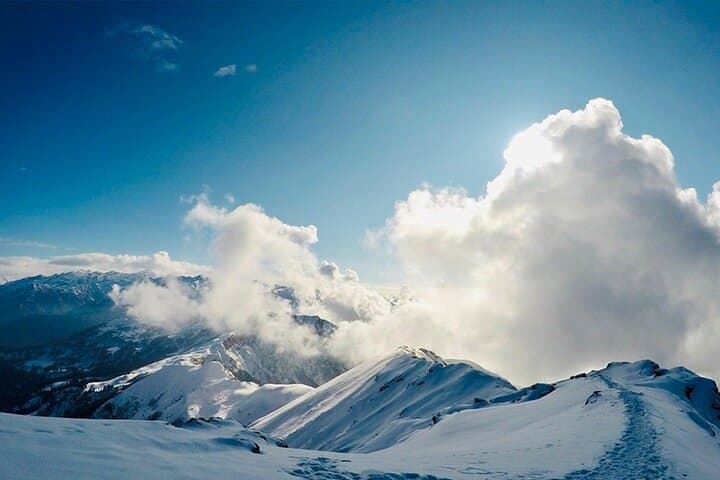
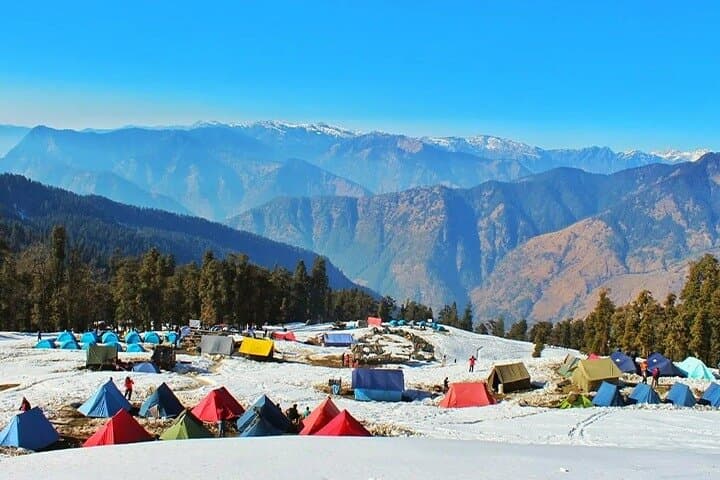
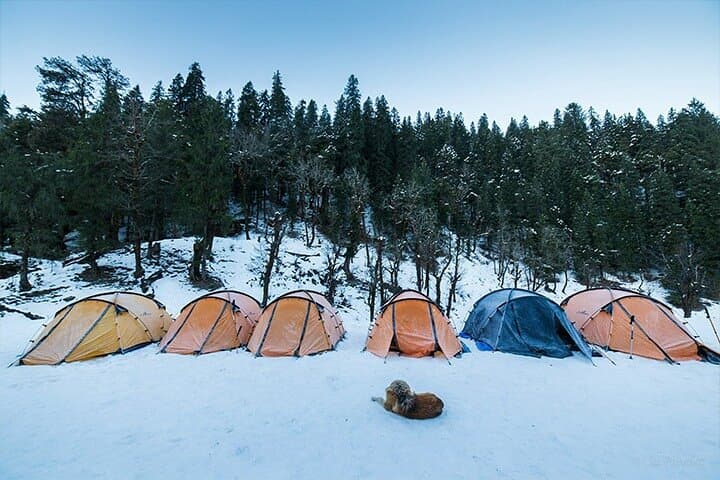
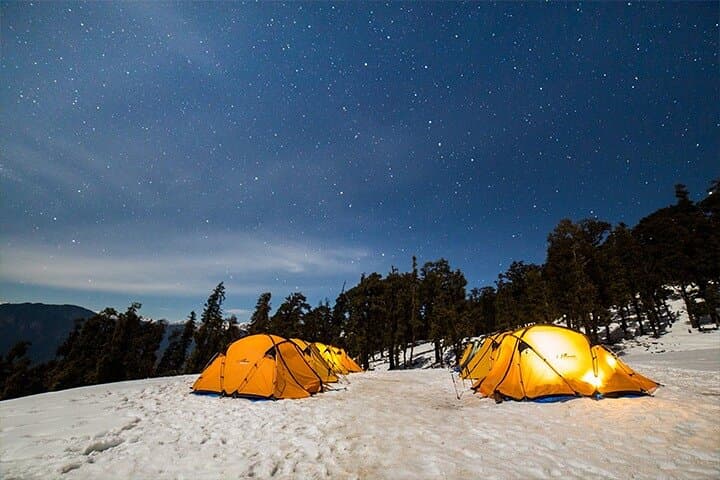
A cold dawn settles over Sankri as headlamps bob like distant fireflies and the first tea kettles begin to sing. You shoulder a pack and step onto a trail that climbs through pine and silver birch, each breath fogging in the clear Garhwal air. The slope tightens, snow softens underfoot, and the ridge opens to a wide, wind-swept bowl that frames the Kedarkantha summit — a compact, rocky cap at roughly 3,810 meters that rewards effort with a 360° panorama of snow-ribbed peaks.
A cold dawn settles over Sankri as headlamps bob like distant fireflies and the first tea kettles begin to sing. You shoulder a pack and step onto a trail that climbs through pine and silver birch, each breath fogging in the clear Garhwal air. The slope tightens, snow softens underfoot, and the ridge opens to a wide, wind-swept bowl that frames the Kedarkantha summit — a compact, rocky cap at roughly 3,810 meters that rewards effort with a 360° panorama of snow-ribbed peaks.
Geology here is straightforward Himalayan: folded metamorphic rock carved by glaciers, with moraines and cirques marking the last ice’s work. Culturally, the route threads small shepherd hamlets and Sankri, a village where homestays introduce simple Garhwali food and mountain hospitality. Myth links the name to Lord Shiva — “Kedar” — and many trekkers note the quiet, reflective mood the ridge seems to induce.
Expect a classic alpine trek: 20–25 km round-trip spread over 4–6 days, roughly 1,500–1,900 m cumulative ascent depending on start point, variable snow underfoot in winter, and exposed ridgelines on summit day. Navigation follows well-trodden trails but can be obscured in whiteout; local guides and basic map-and-compass sense are prudent.
Practical tips: time summit pushes for clear-weather mornings, layer for sharp temperature swings, break early to avoid afternoon wind, and carry microspikes in winter. Respect local conservation rules inside Govind Pashu Vihar — pack out what you pack in — and book permits or homestays through reputable operators. The Kedarkantha trek is compact, scenic, and accessible: a high-reward introduction to winter Himalayan trekking if you prepare for cold, altitude, and variable trail conditions.