THE ADVENTURE COLLECTIVE® · Independent discovery and booking for outdoor travel

A 4–5 day trek from Sankri to the Kedarkantha summit that mixes pine forests, snowfields and open alpine meadows. Ideal as a straightforward winter trek for fit beginners, it pairs simple homestays with two nights under canvas.
A 4–5 day trek from Sankri to the Kedarkantha summit that mixes pine forests, snowfields and open alpine meadows. Ideal as a straightforward winter trek for fit beginners, it pairs simple homestays with two nights under canvas.
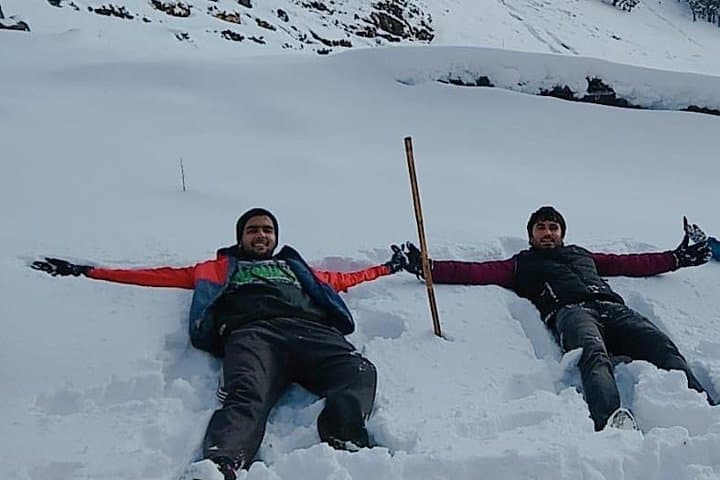
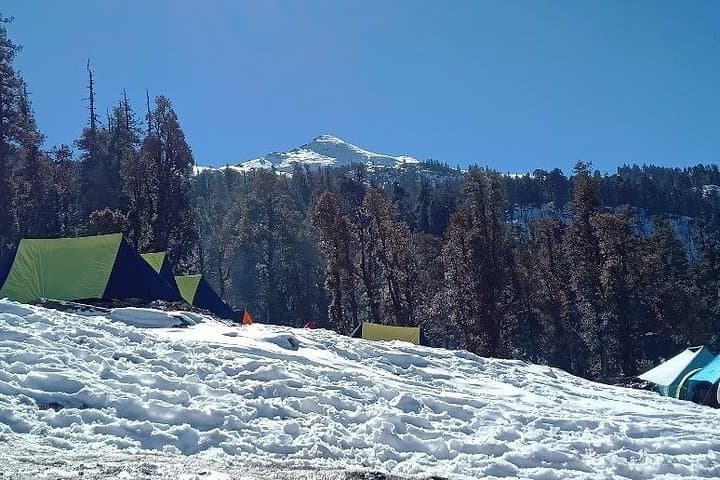
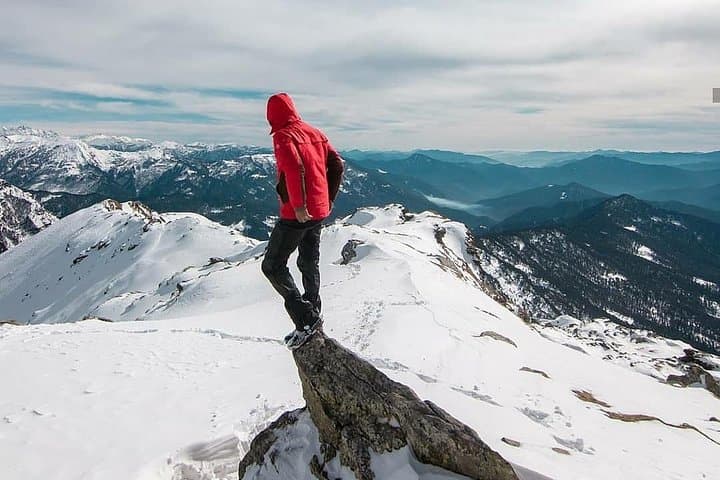
Snow crunches under boot, a pine-scented wind nudges you forward and the range opens—granite ridges turning silver as the sun climbs. The Kedarkantha trek begins with a slow road climb from Dehradun, through terraced fields and dense pine before the trail tightens into forested switchbacks and open meadows that collect snow like soft bowls.
Verified experiences and guided adventures in the surrounding area.
Operated by Kaushik's Cafe & Trek · Sankri, Uttarakhand
Snow crunches under boot, a pine-scented wind nudges you forward and the range opens—granite ridges turning silver as the sun climbs. The Kedarkantha trek begins with a slow road climb from Dehradun, through terraced fields and dense pine before the trail tightens into forested switchbacks and open meadows that collect snow like soft bowls.
Geologically the route crosses Lower Himalayan lithologies: rounded granite outcrops and moraine-fed gullies that tell of past glacial action. Culturally the villages around Sankri are small Garhwali hamlets where shepherding and seasonal agriculture shaped simple homestays and local cuisine—expect hearty dal, rice and rotis served after long days.
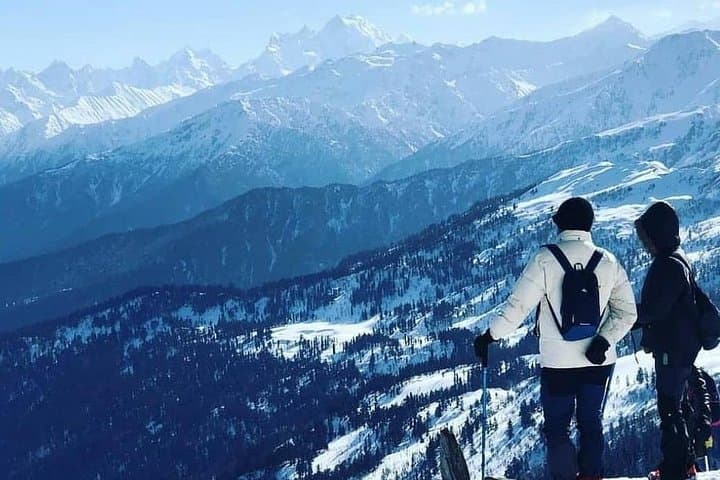
Historically the peak carries a quiet local reverence and sits within Govind Pashu Vihar’s boundary, a corridor that protects alpine flora and fauna. Trekkers will find Juda Ka Talab and Talkahata base camps as transition points from forest to open ridge, and the final summit rewards a 360° view of Bandarpunch and Swargarohini.
Practically: plan for cold dawn starts, short daylight in winter and intermittent steep sections with 300–600 m gains between camps. Carry layered insulation, solid boots and a compact first-aid kit; go slow at altitude and hydrate—altitude sickness is uncommon but possible. Expect mixed accommodation: two nights camping, two nights homestay, and guided group logistics with meals included. Start early on summit day to catch sunrise and avoid afternoon wind. Pack out all non-biodegradable waste; local teams often organize shramdaan to carry trash down. With basic fitness and the right gear this route is an accessible alpine introduction that feels remote without being extreme.
moderate.
4–5 days.
Moderate cardio fitness and regular walking ability; be comfortable with 4–6 hour days and some steep ascent.
Late December to March is prime for snow-covered scenery; April to June offers clear trails and wildflowers. Monsoon months are slippery and not recommended.
No technical experience is needed; the route is a non-technical hike, but good fitness and winter hiking experience (or guided support) are important.
Temperatures can drop below freezing, often -5°C to -15°C in winter mornings depending on wind, so layer appropriately and bring a warm sleeping bag for tents.
There are no special permits for private trekkers on Kedarkantha, but local regulations and park rules apply; use a registered guide or operator who handles permissions if required.
The trail passes areas long used by shepherds and lies near Govind Pashu Vihar sanctuary; peaks in the region have local Hindu significance tied to mountain shrines.
Groups often practice shramdaan—carrying out plastic and non-biodegradable waste—and visitors should follow leave-no-trace principles to protect fragile alpine vegetation.
Kaushik's Cafe & Trek operates guided outdoor trips and adventures with an emphasis on safety, stewardship, and memorable experiences.
Snow crunches under boot, a pine-scented wind nudges you forward and the range opens—granite ridges turning silver as the sun climbs. The Kedarkantha trek begins with a slow road climb from Dehradun, through terraced fields and dense pine before the trail tightens into forested switchbacks and open meadows that collect snow like soft bowls.
Snow crunches under boot, a pine-scented wind nudges you forward and the range opens—granite ridges turning silver as the sun climbs. The Kedarkantha trek begins with a slow road climb from Dehradun, through terraced fields and dense pine before the trail tightens into forested switchbacks and open meadows that collect snow like soft bowls.
Geologically the route crosses Lower Himalayan lithologies: rounded granite outcrops and moraine-fed gullies that tell of past glacial action. Culturally the villages around Sankri are small Garhwali hamlets where shepherding and seasonal agriculture shaped simple homestays and local cuisine—expect hearty dal, rice and rotis served after long days.
Historically the peak carries a quiet local reverence and sits within Govind Pashu Vihar’s boundary, a corridor that protects alpine flora and fauna. Trekkers will find Juda Ka Talab and Talkahata base camps as transition points from forest to open ridge, and the final summit rewards a 360° view of Bandarpunch and Swargarohini.
Practically: plan for cold dawn starts, short daylight in winter and intermittent steep sections with 300–600 m gains between camps. Carry layered insulation, solid boots and a compact first-aid kit; go slow at altitude and hydrate—altitude sickness is uncommon but possible. Expect mixed accommodation: two nights camping, two nights homestay, and guided group logistics with meals included. Start early on summit day to catch sunrise and avoid afternoon wind. Pack out all non-biodegradable waste; local teams often organize shramdaan to carry trash down. With basic fitness and the right gear this route is an accessible alpine introduction that feels remote without being extreme.