THE ADVENTURE COLLECTIVE® · Independent discovery and booking for outdoor travel

A compact five-day alpine trek from Sankri to the Kedarkantha summit, offering dense pine forests, high meadows and a dramatic 360° summit view. Ideal for trekkers who want winter snowfields or crisp shoulder-season ridgelines with guide-supported camping.
A compact five-day alpine trek from Sankri to the Kedarkantha summit, offering dense pine forests, high meadows and a dramatic 360° summit view. Ideal for trekkers who want winter snowfields or crisp shoulder-season ridgelines with guide-supported camping.
You wake before dawn in Sankri, cold air sharpening the pine-scented silence as headlamps pick a narrow ribbon of trail. The path slips into fir and maple, climbs through shepherd meadows, and opens to Juda ka Talab — a mirror that freezes into a silver disk in winter. By summit day the ridgeline stretches like a promise, the Trishul at Kedarkantha marking a 360-degree lookout over Uttarakhand’s serrated ranges.
Verified experiences and guided adventures in the surrounding area.
Operated by Himalaya Shelter · Sankri, Uttarakhand
You wake before dawn in Sankri, cold air sharpening the pine-scented silence as headlamps pick a narrow ribbon of trail. The path slips into fir and maple, climbs through shepherd meadows, and opens to Juda ka Talab — a mirror that freezes into a silver disk in winter. By summit day the ridgeline stretches like a promise, the Trishul at Kedarkantha marking a 360-degree lookout over Uttarakhand’s serrated ranges.
Geology here is young Himalayan—gneiss and schist folded by tectonic push—creating steep flanks, scree bands and sheltered tarns. Culturally the trek threads small Himalayan hamlets where cereal terraces and timber homes reveal a subsistence rhythm; local lore links the peak to Shiva, explaining the name Kedarkantha (Kedar = Shiva, kantha = throat). The route passes Govind Wildlife Sanctuary approaches, where seasonal shepherding still shapes the landscape.
Practical guidance: this is a 5-day, 4-night alpine camping trek from Sankri (1,920m) to Kedarkantha summit (≈3,810m). Expect daily walks of 2–5 hours, with one steeper summit push that gains ~400–700m in a few hours. Trails are well-trodden but can be icy and exposed; crampons and layered insulation matter in shoulder and winter seasons. Hydrate, pace uphill, and watch for mild altitude symptoms above 3,000m. Guides manage tents, meals and basic medical kit; mule support carries group equipment.
Best windows are late December–March for snow-scenery and December–May for clearer summer approaches. Leave no trace: pack out waste, respect grazing patterns and follow guide instructions to protect fragile alpine meadows.
challenging.
5 days.
Good aerobic fitness with experience on multi-hour uphill hikes; able to carry a 8–12 kg daypack and handle steep terrain.
The summit day is a steep but relatively short ascent from basecamp (several hundred meters of gain over 2–4 hours); it requires steady pacing and basic crampon use in winter.
For snow-scenery and stable tracks choose December–March; April–May offers milder weather and clear views, while monsoon months bring heavy rain and trail slipperiness.
Guides carry a first-aid kit, oximeter and basic oxygen; they manage pacing and recommend descent for serious symptoms—inform them of prior altitude issues before booking.
Operators typically require a minimum group size (check booking details); this itinerary suggests custom groups with at least six people for standard departures.
The peak’s name ties to Hindu legend about Shiva (Kedar) and local stories that place spiritual significance on the high ridge; the area has long been used by shepherds and small agrarian villages.
Govind Wildlife Sanctuary borders and local regulations limit camping impacts; stick to established campsites, pack out waste and avoid disturbing grazing corridors.
Himalaya Shelter operates guided outdoor trips and adventures with an emphasis on safety, stewardship, and memorable experiences.

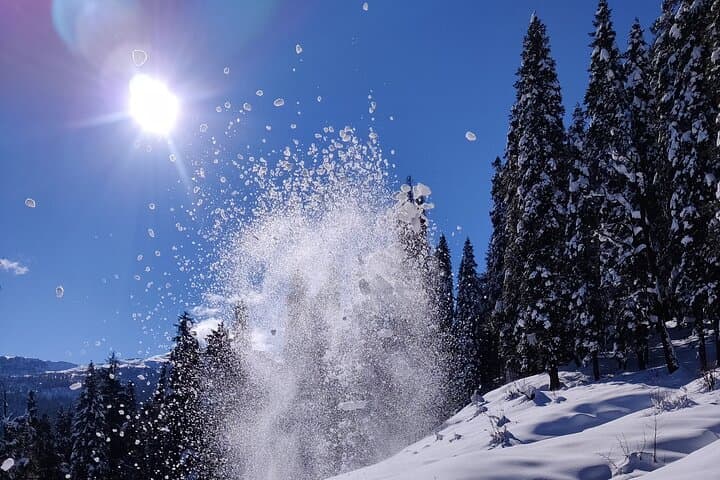


You wake before dawn in Sankri, cold air sharpening the pine-scented silence as headlamps pick a narrow ribbon of trail. The path slips into fir and maple, climbs through shepherd meadows, and opens to Juda ka Talab — a mirror that freezes into a silver disk in winter. By summit day the ridgeline stretches like a promise, the Trishul at Kedarkantha marking a 360-degree lookout over Uttarakhand’s serrated ranges.
You wake before dawn in Sankri, cold air sharpening the pine-scented silence as headlamps pick a narrow ribbon of trail. The path slips into fir and maple, climbs through shepherd meadows, and opens to Juda ka Talab — a mirror that freezes into a silver disk in winter. By summit day the ridgeline stretches like a promise, the Trishul at Kedarkantha marking a 360-degree lookout over Uttarakhand’s serrated ranges.
Geology here is young Himalayan—gneiss and schist folded by tectonic push—creating steep flanks, scree bands and sheltered tarns. Culturally the trek threads small Himalayan hamlets where cereal terraces and timber homes reveal a subsistence rhythm; local lore links the peak to Shiva, explaining the name Kedarkantha (Kedar = Shiva, kantha = throat). The route passes Govind Wildlife Sanctuary approaches, where seasonal shepherding still shapes the landscape.
Practical guidance: this is a 5-day, 4-night alpine camping trek from Sankri (1,920m) to Kedarkantha summit (≈3,810m). Expect daily walks of 2–5 hours, with one steeper summit push that gains ~400–700m in a few hours. Trails are well-trodden but can be icy and exposed; crampons and layered insulation matter in shoulder and winter seasons. Hydrate, pace uphill, and watch for mild altitude symptoms above 3,000m. Guides manage tents, meals and basic medical kit; mule support carries group equipment.
Best windows are late December–March for snow-scenery and December–May for clearer summer approaches. Leave no trace: pack out waste, respect grazing patterns and follow guide instructions to protect fragile alpine meadows.