THE ADVENTURE COLLECTIVE® · Independent discovery and booking for outdoor travel

A compact 5-day Himalayan trek from Sankri to the Kedarkantha summit, this itinerary blends forest tracks, alpine meadows and a panoramic summit at ~12,500 ft. Ideal for trekkers with moderate fitness seeking classic Uttarakhand scenery and winter snowfields.
A compact 5-day Himalayan trek from Sankri to the Kedarkantha summit, this itinerary blends forest tracks, alpine meadows and a panoramic summit at ~12,500 ft. Ideal for trekkers with moderate fitness seeking classic Uttarakhand scenery and winter snowfields.
Dawn strips the sky of stars as the trail out of Sankri climbs into a forest that seems to be breathing around you. Pine needles crack underfoot, a stream dares you to keep pace, and the ridge up ahead lifts like a final question before the summit.
Verified experiences and guided adventures in the surrounding area.
Operated by Outdoor Monks · Sankri, Uttarakhand
Dawn strips the sky of stars as the trail out of Sankri climbs into a forest that seems to be breathing around you. Pine needles crack underfoot, a stream dares you to keep pace, and the ridge up ahead lifts like a final question before the summit.
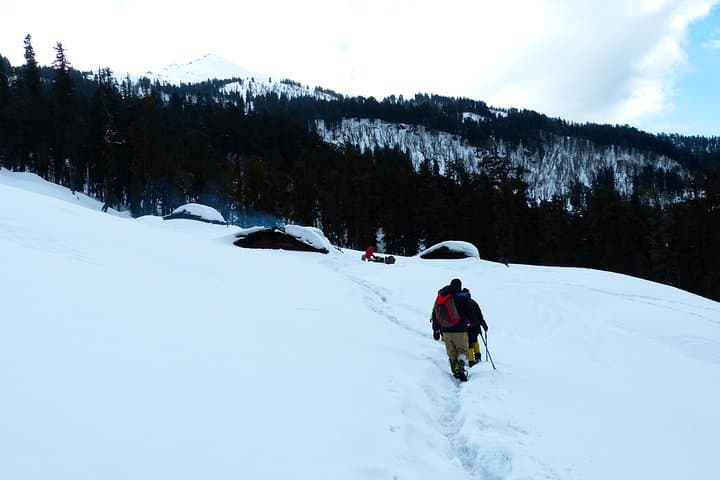
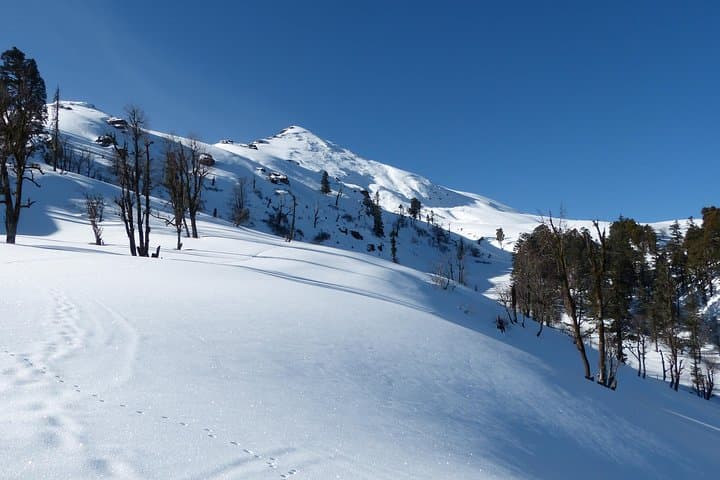
This five-day itinerary follows classic Himalayan terrain: broad village tracks, oak-and-pine forests, open shepherd meadows, and a final snow-capped approach to Kedarkantha (≈12,500 ft). The route sits inside the Govind Pashu Vihar region of Uttarakhand, an area shaped by glacial carving and young Himalayan thrust faults—rock folded and sharpened by uplift. Sankri village serves as the last service point; local culture is alpine Rajput and Jangli influences with mountain shepherding traditions and simple guesthouse hospitality.
Expect wildlife signs—boar, marten and high-altitude pheasants—and seasonal wildflower displays in summer meadows. The summit hosts a small Shiva shrine, a reminder of the region’s long spiritual connection to these peaks. Historically, these trails linked summer pastures and communities; now they carry trekkers seeking a compact, scenic Himalayan ascent.
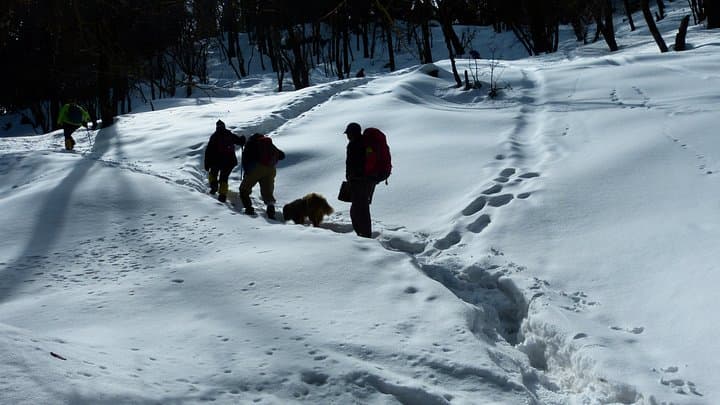
Practical guide: moderate fitness and steady footing are required—daily hiking ranges from 3–7 hours with an altitude gain to ~3,800 m. Pack layered insulation, traction for winter snow, and a headlamp for pre-dawn starts. Water sources are intermittent—filter or treat where filled. Campsites are basic; the operator provides tents and mattresses. Acclimatize in Sankri and monitor for altitude symptoms. Start early on summit day to avoid afternoon wind and give yourself time for the descent back to Sankri and the drive to Dehradun.
moderate.
5 days (approx. 40–50 hours including drives).
Good cardiovascular fitness and regular hill-walking experience; comfortable with sustained uphill sections and 6–7 hour trekking days.
Late December–March for snow and scenic winter conditions, and December–April offers the classic cold-snow experience; May–June and September–November are good for snow-free meadows and clearer skies.
Govind Pashu Vihar charges a forest fee included by most operators; check with your tour provider about any additional permits and entrance fees.
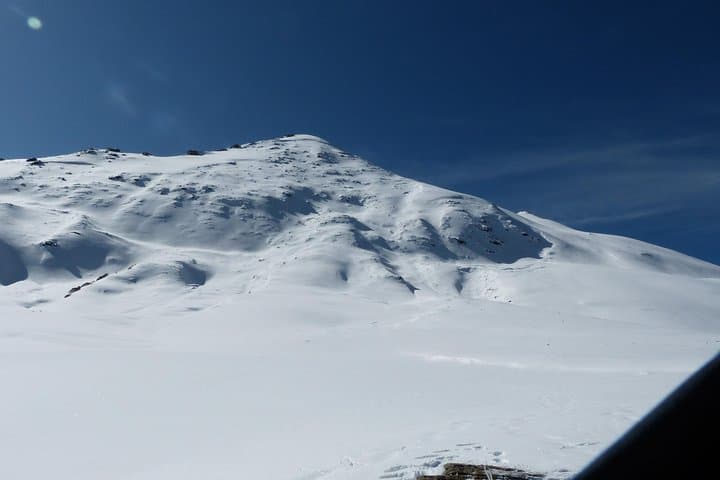
Summit day involves steady ascent from ~3,400 m to ~3,800 m over about 3–4 km and can take 4–6 hours roundtrip depending on pace and snow—expect short steep sections near the top.
Fit beginners with prior day-hiking experience can complete it with proper acclimatization and pacing, but those with heart or spinal conditions should avoid it.
Trails around Kedarkantha linked seasonal pastures and small mountain communities; the summit’s small Shiva shrine reflects local religious ties to the high places.
The trek passes near Govind Pashu Vihar protected areas—stay on trail, pack out waste, and avoid disturbing grazing herds and ground-nesting birds.
Outdoor Monks operates guided outdoor trips and adventures with an emphasis on safety, stewardship, and memorable experiences.
Dawn strips the sky of stars as the trail out of Sankri climbs into a forest that seems to be breathing around you. Pine needles crack underfoot, a stream dares you to keep pace, and the ridge up ahead lifts like a final question before the summit.
Dawn strips the sky of stars as the trail out of Sankri climbs into a forest that seems to be breathing around you. Pine needles crack underfoot, a stream dares you to keep pace, and the ridge up ahead lifts like a final question before the summit.
This five-day itinerary follows classic Himalayan terrain: broad village tracks, oak-and-pine forests, open shepherd meadows, and a final snow-capped approach to Kedarkantha (≈12,500 ft). The route sits inside the Govind Pashu Vihar region of Uttarakhand, an area shaped by glacial carving and young Himalayan thrust faults—rock folded and sharpened by uplift. Sankri village serves as the last service point; local culture is alpine Rajput and Jangli influences with mountain shepherding traditions and simple guesthouse hospitality.
Expect wildlife signs—boar, marten and high-altitude pheasants—and seasonal wildflower displays in summer meadows. The summit hosts a small Shiva shrine, a reminder of the region’s long spiritual connection to these peaks. Historically, these trails linked summer pastures and communities; now they carry trekkers seeking a compact, scenic Himalayan ascent.
Practical guide: moderate fitness and steady footing are required—daily hiking ranges from 3–7 hours with an altitude gain to ~3,800 m. Pack layered insulation, traction for winter snow, and a headlamp for pre-dawn starts. Water sources are intermittent—filter or treat where filled. Campsites are basic; the operator provides tents and mattresses. Acclimatize in Sankri and monitor for altitude symptoms. Start early on summit day to avoid afternoon wind and give yourself time for the descent back to Sankri and the drive to Dehradun.