THE ADVENTURE COLLECTIVE® · Independent discovery and booking for outdoor travel

Trek through Phnom Kulen's forest to Kbal Spean's underwater carvings, then visit the exquisite pink-sandstone Banteay Srei, the Cambodia Landmine Museum, and the serene Banteay Samre — a private full-day circuit from Siem Reap that pairs nature with history.
Trek through Phnom Kulen's forest to Kbal Spean's underwater carvings, then visit the exquisite pink-sandstone Banteay Srei, the Cambodia Landmine Museum, and the serene Banteay Samre — a private full-day circuit from Siem Reap that pairs nature with history.
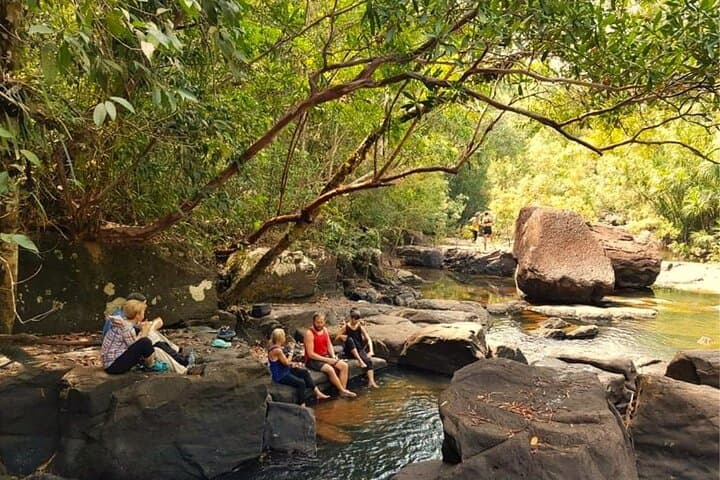
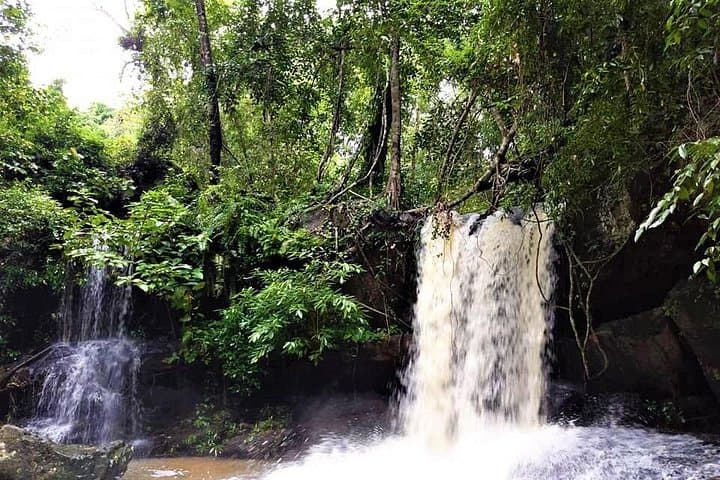
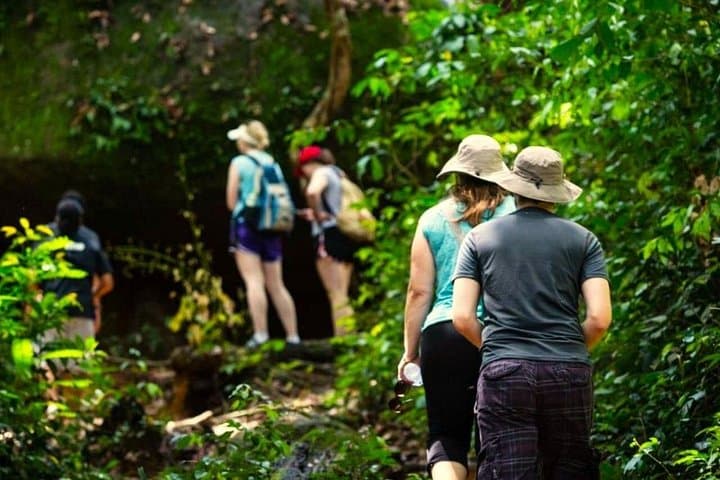
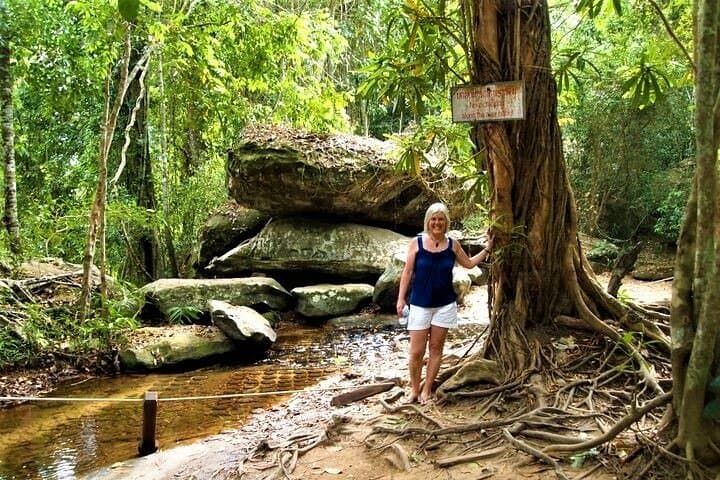
Morning light slices through the deciduous canopy as trekkers start uphill toward Kbal Spean — the so-called River of a Thousand Lingas. Footsteps on red soil, cicadas tuning the air, and the river ahead daring you into a shallow channel where hundreds of small lingams and bas-reliefs lie carved into the sandstone riverbed, water running over them as it has for centuries.
Verified experiences and guided adventures in the surrounding area.
Operated by About Cambodia Travel & Tours · Siem Reap, Siem Reap Province
Morning light slices through the deciduous canopy as trekkers start uphill toward Kbal Spean — the so-called River of a Thousand Lingas. Footsteps on red soil, cicadas tuning the air, and the river ahead daring you into a shallow channel where hundreds of small lingams and bas-reliefs lie carved into the sandstone riverbed, water running over them as it has for centuries.
The day moves from jungle to stone. Kbal Spean sits on the eastern flank of the Kulen foothills and was reintroduced to wider knowledge in the late 1960s; its underwater carvings speak to Khmer ritual and hydrological engineering. Next is Banteay Srei, a short drive east: pink sandstone panels and minute devotional sculpture from the 10th century that reward close inspection rather than grand vistas. The Cambodia Landmine Museum grounds the itinerary in modern history — demining, survivor aid, and community rebuilding — before the tour closes at quiet Banteay Samre, whose galleries and lintels show a calmer, less-visited side of Angkorian architecture.
Expect a roughly 1–2 km jungle approach to Kbal Spean with modest elevation gain and uneven, sometimes muddy paths; total tour time is a full day (7–9 hours). Practical planning: start early to beat heat, carry 2–3 L of water, wear grippy closed-toe shoes, and bring insect repellent and sun protection. Dress respectfully at temples; follow your guide’s local insights and leave no trace. For photographers, low-angle light brings out the pink stone and river carvings best.
moderate.
7–9 hours.
Moderate fitness for repeated walking, short uphill sections, and uneven terrain; comfortable for anyone who regularly does 2–4 hour hikes.
The jungle approach to Kbal Spean is roughly 1–2 km one way with modest elevation gain and uneven surfaces; it's moderate in difficulty and manageable with good footwear.
This particular private tour generally covers transfers and guiding; standard ticket fees for Angkor-area sites or museum donations may be additional — confirm with the operator before booking.
The museum presents sobering material about recent conflict and demining; suitability depends on a child’s maturity—parents should review exhibits beforehand and consider skipping graphic areas.
Visitors can step into shallow water to view the carvings, but avoid disturbing archaeological features and follow your guide’s instructions to protect both yourself and the site.
Kbal Spean and nearby temples date to the Angkorian era; many carvings are Hindu in origin and were intended to sanctify waters feeding downstream ricelands.
Sites face pressure from erosion and tourism; stay on marked paths, avoid touching carvings, and support local conservation efforts and community-run museums.
About Cambodia Travel & Tours operates guided outdoor trips and adventures with an emphasis on safety, stewardship, and memorable experiences.
Morning light slices through the deciduous canopy as trekkers start uphill toward Kbal Spean — the so-called River of a Thousand Lingas. Footsteps on red soil, cicadas tuning the air, and the river ahead daring you into a shallow channel where hundreds of small lingams and bas-reliefs lie carved into the sandstone riverbed, water running over them as it has for centuries.
Morning light slices through the deciduous canopy as trekkers start uphill toward Kbal Spean — the so-called River of a Thousand Lingas. Footsteps on red soil, cicadas tuning the air, and the river ahead daring you into a shallow channel where hundreds of small lingams and bas-reliefs lie carved into the sandstone riverbed, water running over them as it has for centuries.
The day moves from jungle to stone. Kbal Spean sits on the eastern flank of the Kulen foothills and was reintroduced to wider knowledge in the late 1960s; its underwater carvings speak to Khmer ritual and hydrological engineering. Next is Banteay Srei, a short drive east: pink sandstone panels and minute devotional sculpture from the 10th century that reward close inspection rather than grand vistas. The Cambodia Landmine Museum grounds the itinerary in modern history — demining, survivor aid, and community rebuilding — before the tour closes at quiet Banteay Samre, whose galleries and lintels show a calmer, less-visited side of Angkorian architecture.
Expect a roughly 1–2 km jungle approach to Kbal Spean with modest elevation gain and uneven, sometimes muddy paths; total tour time is a full day (7–9 hours). Practical planning: start early to beat heat, carry 2–3 L of water, wear grippy closed-toe shoes, and bring insect repellent and sun protection. Dress respectfully at temples; follow your guide’s local insights and leave no trace. For photographers, low-angle light brings out the pink stone and river carvings best.