THE ADVENTURE COLLECTIVE® · Independent discovery and booking for outdoor travel

Glide the Kazinga Channel from Mweya and watch hippos, crocodiles, fish eagles and herons congregate along a narrow waterway linking two lakes. This 1–2 hour community boat safari offers tailored wildlife viewing with local guides and easy departures for varying group sizes.
Glide the Kazinga Channel from Mweya and watch hippos, crocodiles, fish eagles and herons congregate along a narrow waterway linking two lakes. This 1–2 hour community boat safari offers tailored wildlife viewing with local guides and easy departures for varying group sizes.
The boat slips from the Mweya peninsula and the river wakes into a low, steady conversation—hippos huffing under the surface, fish eagles calling like distant alarms, and the channel itself pushing you along between two lakes.
Verified experiences and guided adventures in the surrounding area.
Operated by Fazil Safari Guide Uganda+ · Mweya, Kasese District
The boat slips from the Mweya peninsula and the river wakes into a low, steady conversation—hippos huffing under the surface, fish eagles calling like distant alarms, and the channel itself pushing you along between two lakes.
Kazinga Channel links Lake George to Lake Edward and has long been a highway for wildlife and people. Geologically it sits on the western rift edge; volcanic activity and faulting shaped the shallow corridor that concentrates game. Culturally, fishing communities and park guides have read its rhythms for generations, and the channel remains one of East Africa’s most consistent wildlife corridors.
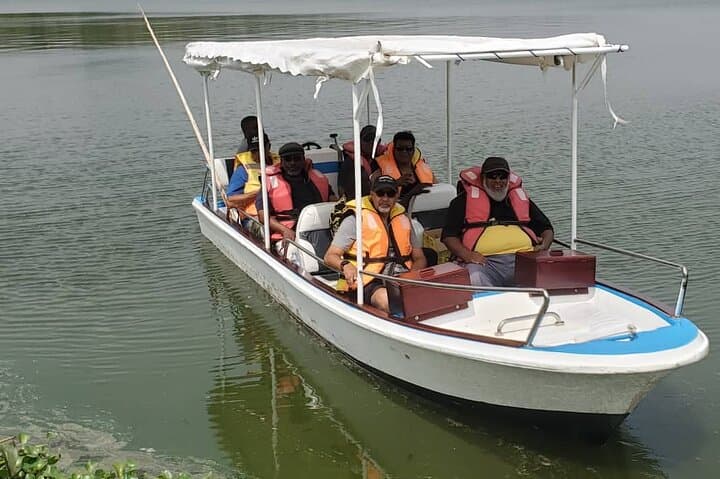
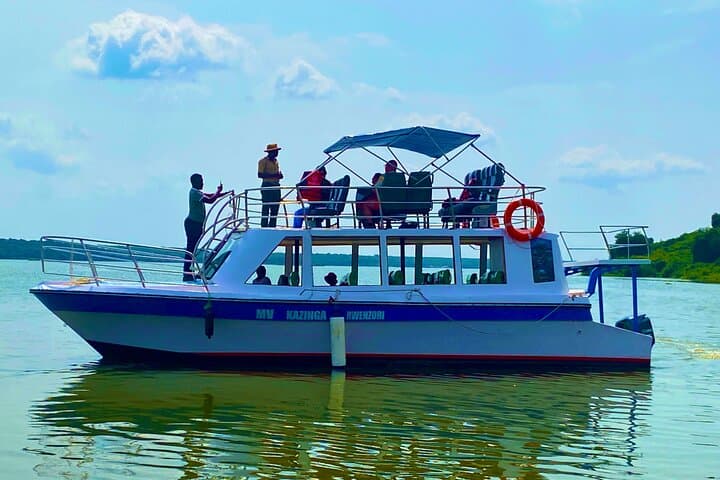
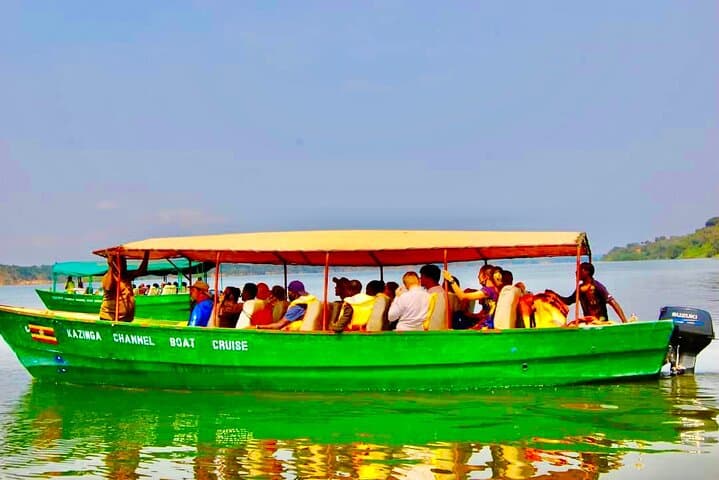
Expect close, non-intrusive views: hippo pods bellowing in the shallows, crocodiles sunning with a lazy menace, and herons and pelicans working the edges. Boats range from small 5-person skiffs to 30-seat safari launches; guides narrate where the animals feed, rest, and cross. Timing matters—early mornings and late afternoons tighten the wildlife window and soften harsh light for photography.
Practical details: departures are typically 1–2 hours, life jackets and water are supplied, and park entry fees are handled separately at the gate. Stay seated when near hippo groups, keep voices low, and aim for a camera with a 200–400mm zoom for clean shots. If you have a flexible schedule, pick a sunrise run for birds and a gold-hour cruise for elephants and hippos coming to drink.
This is a calm, wildlife-dense half-day experience—accessible but richly rewarding for travelers who come prepared and patient.
easy.
1–2 hours.
Suitable for most fitness levels; requires only ability to board a low-sided boat and remain seated for the cruise
No — park entry fees for Queen Elizabeth National Park are paid separately at the gate or can be handled on the ground when you arrive.
Yes — life-saving jackets are provided for every passenger on the shared boats.
Shared boats are standard, but private charters are possible for groups (minimums apply, often around seven passengers).
Many launch points and boats offer wheelchair-accessible options and accessible transport nearby, but confirm specific accessibility needs when booking.
The Kazinga Channel occupies a rift-controlled corridor connecting Lakes George and Edward; the channel’s density of water and floodplain habitat has attracted wildlife and human fisheries for centuries.
Queen Elizabeth National Park balances tourism with community livelihoods; travel on established boats and avoid feeding wildlife to minimize disturbance and support ongoing conservation.
Fazil Safari Guide Uganda+ operates guided outdoor trips and adventures with an emphasis on safety, stewardship, and memorable experiences.
The boat slips from the Mweya peninsula and the river wakes into a low, steady conversation—hippos huffing under the surface, fish eagles calling like distant alarms, and the channel itself pushing you along between two lakes.
The boat slips from the Mweya peninsula and the river wakes into a low, steady conversation—hippos huffing under the surface, fish eagles calling like distant alarms, and the channel itself pushing you along between two lakes.
Kazinga Channel links Lake George to Lake Edward and has long been a highway for wildlife and people. Geologically it sits on the western rift edge; volcanic activity and faulting shaped the shallow corridor that concentrates game. Culturally, fishing communities and park guides have read its rhythms for generations, and the channel remains one of East Africa’s most consistent wildlife corridors.
Expect close, non-intrusive views: hippo pods bellowing in the shallows, crocodiles sunning with a lazy menace, and herons and pelicans working the edges. Boats range from small 5-person skiffs to 30-seat safari launches; guides narrate where the animals feed, rest, and cross. Timing matters—early mornings and late afternoons tighten the wildlife window and soften harsh light for photography.
Practical details: departures are typically 1–2 hours, life jackets and water are supplied, and park entry fees are handled separately at the gate. Stay seated when near hippo groups, keep voices low, and aim for a camera with a 200–400mm zoom for clean shots. If you have a flexible schedule, pick a sunrise run for birds and a gold-hour cruise for elephants and hippos coming to drink.
This is a calm, wildlife-dense half-day experience—accessible but richly rewarding for travelers who come prepared and patient.