THE ADVENTURE COLLECTIVE® · Independent discovery and booking for outdoor travel

Paddle across Lake Titicaca to the remarkable Uros floating islands, where reed-built communities demonstrate ancient craft and life at 3,800 meters. This 4-hour guided kayak trip blends cultural insight with high-altitude paddling.
Paddle across Lake Titicaca to the remarkable Uros floating islands, where reed-built communities demonstrate ancient craft and life at 3,800 meters. This 4-hour guided kayak trip blends cultural insight with high-altitude paddling.
The wind on Lake Titicaca cuts clear and cold, lifting small whitecaps that chase the kayak’s bow as paddlers push away from the Puno shoreline. The water, high on the Andean plateau, stretches wide and blue; totora reeds protrude like hay-colored fingers where the Uros islands begin. As you paddle closer, the islands seem to float toward you, not merely sitting on the lake but part of the lake’s breath.
Verified experiences and guided adventures in the surrounding area.
Operated by LimaTours · Puno, Puno
The wind on Lake Titicaca cuts clear and cold, lifting small whitecaps that chase the kayak’s bow as paddlers push away from the Puno shoreline. The water, high on the Andean plateau, stretches wide and blue; totora reeds protrude like hay-colored fingers where the Uros islands begin. As you paddle closer, the islands seem to float toward you, not merely sitting on the lake but part of the lake’s breath.
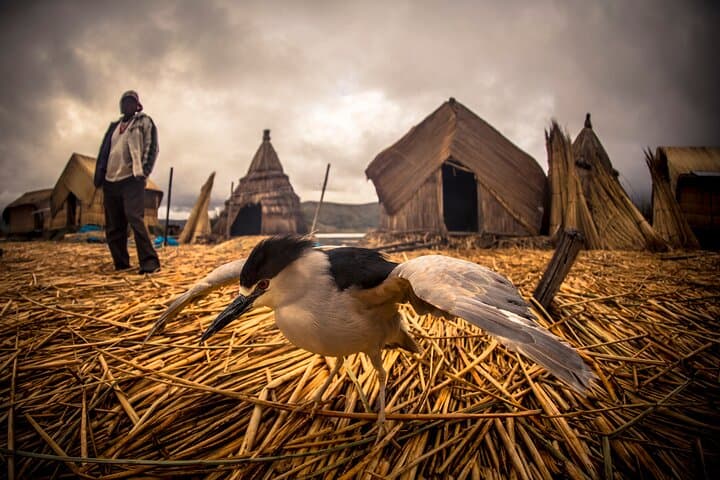
The Uros are an ancient reed-building culture predating the Inca; their islands and boats are woven from totora layers harvested from the shallows. Geologically, Titicaca is a high-altitude basin carved by tectonic uplift and glacial action, its thin air sharpening every horizon. Culturally, visits reveal practical techniques—reed weaving, boat carving—and a continuing economy reliant on craft sales and small-scale tourism.
Expect calm stretches punctuated by wind-swept intervals; currents can nudge your craft and require steady strokes. Guides usually combine a short shore briefing, a guided paddle to the islands, time on the reed structures, and a return to Puno within roughly four hours. Altitude (3,800+ m) affects breathing and exertion—move deliberately, sip water, and let your body set the pace.
Practical tips: wear layers and a windproof shell, bring sunglasses and sunscreen (UV is strong), and pack gloves to protect hands while paddling. Morning calm is more common during the dry season (May–Oct); rainy months bring afternoon storms. Respect island protocols—ask before photographing residents, and support local crafts if you can. The trip is less about speed and more about reading the lake and learning from a living reed landscape.
moderate.
4 hours.
Moderate fitness—able to paddle for 1–2 hours with short rests; altitude increases exertion.
Moderate fitness is sufficient—participants should be comfortable paddling for 30–90 minutes with brief rests; altitude makes effort feel harder.
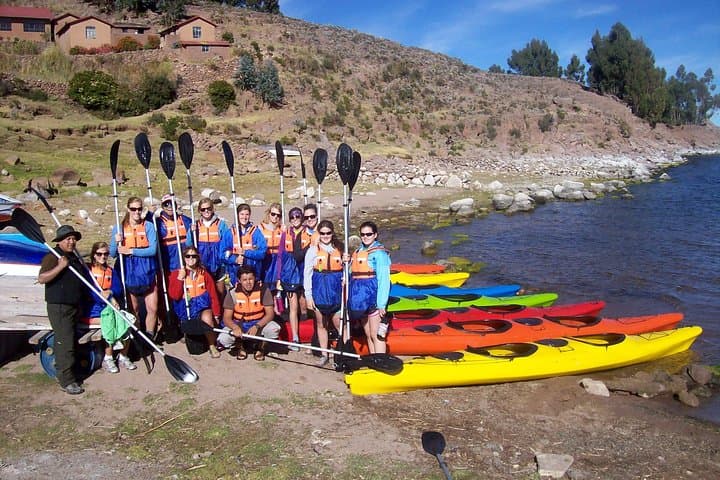
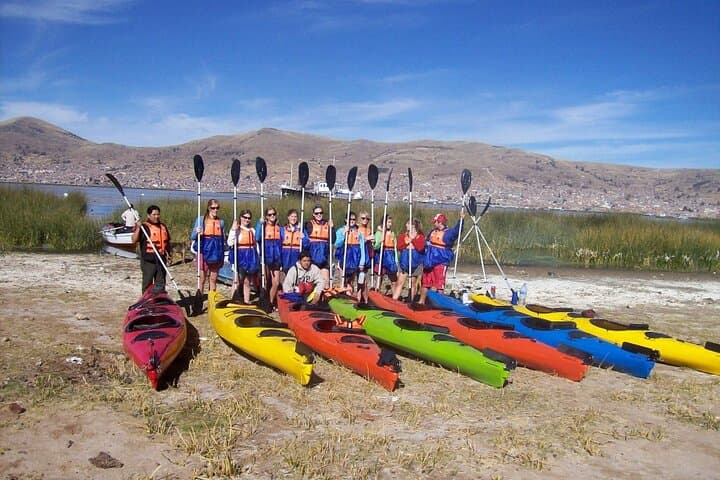
Yes—kayaks, paddles, and life jackets are provided by the operator as part of the activity inclusions.
Guides pace the group; some sections are rowed for you or guided by a support boat if weather requires, but expect active paddling for much of the route.
Children can participate but must be accompanied by an adult; operators often limit group size and monitor conditions for safety.
The Uros constructed floating islands from totora reeds centuries before the Inca, creating mobile, renewable homes adapted to the high Andean lake environment.
Totora beds are a fragile resource; visitors should avoid trampling reed growth, minimize plastic waste, and support local economies by purchasing crafts directly from residents.
LimaTours operates guided outdoor trips and adventures with an emphasis on safety, stewardship, and memorable experiences.
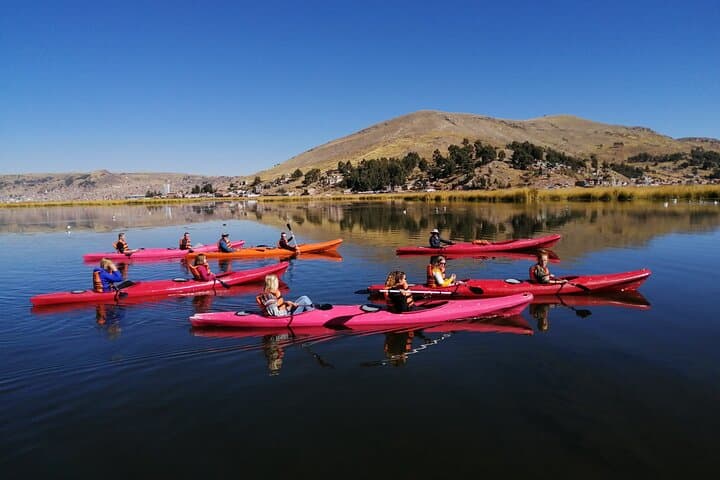
The wind on Lake Titicaca cuts clear and cold, lifting small whitecaps that chase the kayak’s bow as paddlers push away from the Puno shoreline. The water, high on the Andean plateau, stretches wide and blue; totora reeds protrude like hay-colored fingers where the Uros islands begin. As you paddle closer, the islands seem to float toward you, not merely sitting on the lake but part of the lake’s breath.
The wind on Lake Titicaca cuts clear and cold, lifting small whitecaps that chase the kayak’s bow as paddlers push away from the Puno shoreline. The water, high on the Andean plateau, stretches wide and blue; totora reeds protrude like hay-colored fingers where the Uros islands begin. As you paddle closer, the islands seem to float toward you, not merely sitting on the lake but part of the lake’s breath.
The Uros are an ancient reed-building culture predating the Inca; their islands and boats are woven from totora layers harvested from the shallows. Geologically, Titicaca is a high-altitude basin carved by tectonic uplift and glacial action, its thin air sharpening every horizon. Culturally, visits reveal practical techniques—reed weaving, boat carving—and a continuing economy reliant on craft sales and small-scale tourism.
Expect calm stretches punctuated by wind-swept intervals; currents can nudge your craft and require steady strokes. Guides usually combine a short shore briefing, a guided paddle to the islands, time on the reed structures, and a return to Puno within roughly four hours. Altitude (3,800+ m) affects breathing and exertion—move deliberately, sip water, and let your body set the pace.
Practical tips: wear layers and a windproof shell, bring sunglasses and sunscreen (UV is strong), and pack gloves to protect hands while paddling. Morning calm is more common during the dry season (May–Oct); rainy months bring afternoon storms. Respect island protocols—ask before photographing residents, and support local crafts if you can. The trip is less about speed and more about reading the lake and learning from a living reed landscape.