THE ADVENTURE COLLECTIVE® · Independent discovery and booking for outdoor travel

Slip into narrow mangrove channels with a local fishing family on this private Costa Maya paddling tour. Expect calm water, close wildlife encounters, and a home-cooked lunch that connects you to place and people.
Slip into narrow mangrove channels with a local fishing family on this private Costa Maya paddling tour. Expect calm water, close wildlife encounters, and a home-cooked lunch that connects you to place and people.
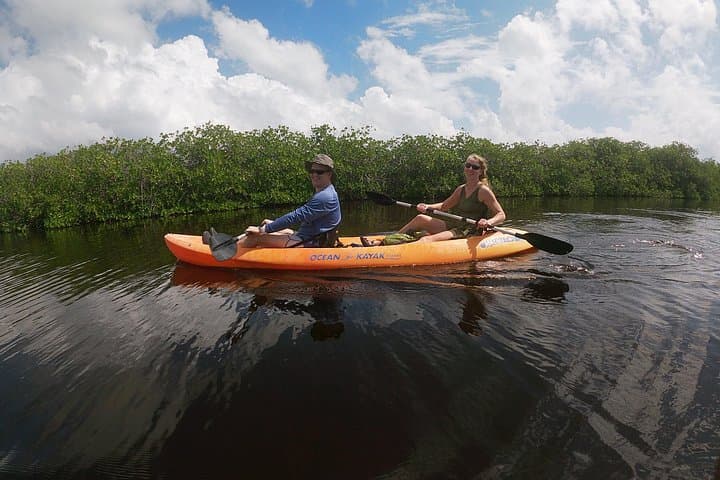
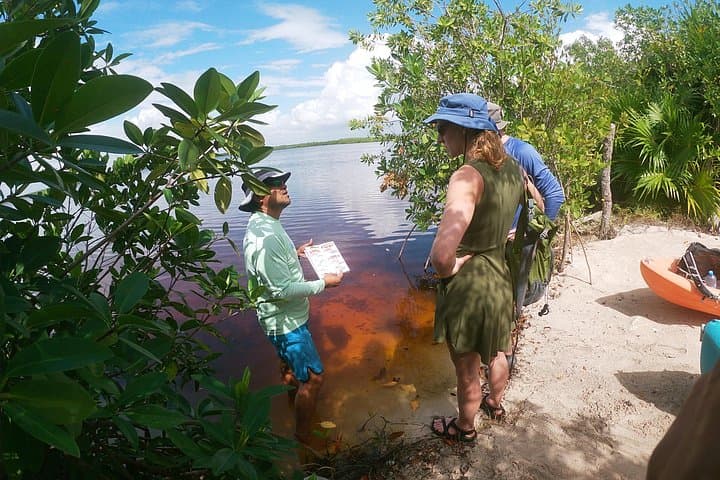
Paddle skims the glassy water as the mangrove tunnel narrows and the air tightens with salt and leaf-sweet resin. Sunlight strips through the canopy in slats; roots reach down like curious hands and the kayak becomes a low, deliberate boat moving between them. You meet a local fishing family beneath a palapa, then push off together—oars, stories, and a simple lunch set to follow.
Verified experiences and guided adventures in the surrounding area.
Operated by Mahahual Ecotours · Mahahual, Quintana Roo
Paddle skims the glassy water as the mangrove tunnel narrows and the air tightens with salt and leaf-sweet resin. Sunlight strips through the canopy in slats; roots reach down like curious hands and the kayak becomes a low, deliberate boat moving between them. You meet a local fishing family beneath a palapa, then push off together—oars, stories, and a simple lunch set to follow.
The Costa Maya coast sits atop limestone bedrock carved by sea-level shifts; its mangrove forests are the living edge between reef and land, long used by Maya coastal communities for fish and protection. The fishers who guide this trip are carrying on a regional culture that balances daily harvests with an increasing focus on ecotourism.
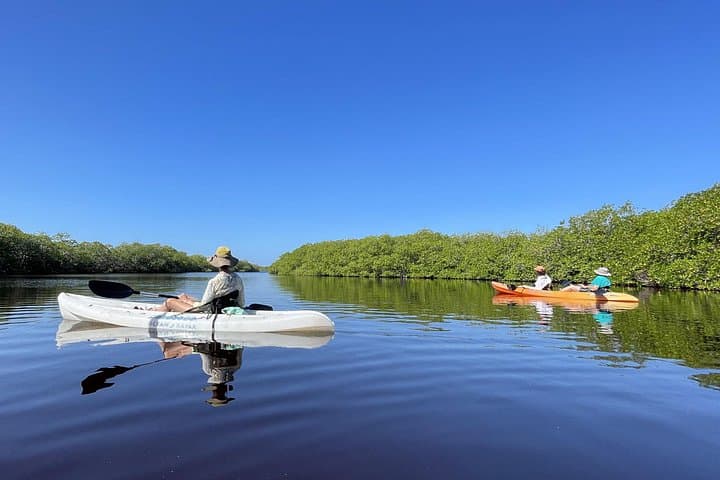
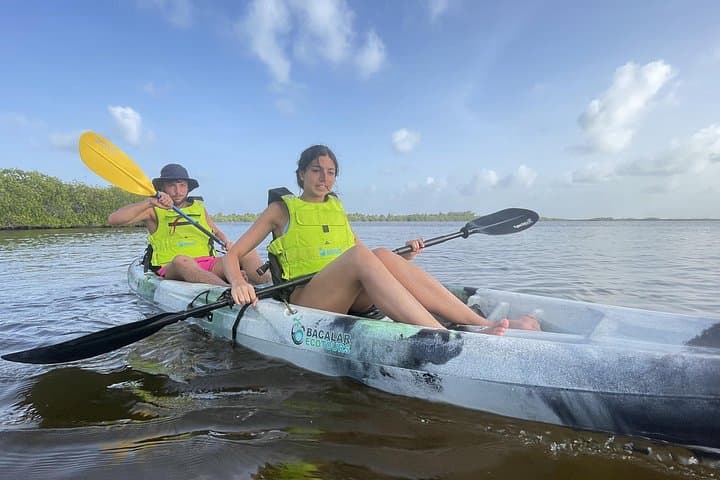
Expect calm, shallow channels and a steady rhythm of paddling rather than long open-water crossings. Guides point out red and black mangroves, crab clusters, and juvenile reef fish sheltering in root tangles. Bird calls—egret, osprey, kingfisher—punctuate the quiet. The experience is educational and communal: you learn local fishing practices, the ecology of mangroves, and share a home-cooked meal.
Practically, this is a moderate, private five-hour outing: morning departures avoid midday heat and tides will set the pace. Wear reef-safe sunscreen, quick-dry clothing, and secure footwear. Bring a dry bag for cameras and a filled water bottle; follow the guide’s instructions when entering narrow channels and when wildlife approaches. The tour supports the local economy and runs with accessibility options, but it’s not recommended for travelers with serious back, heart, or pregnancy concerns. Leave only footprints—and respect the mangrove that quietly cradles new life.
moderate.
4–5 hours.
Moderate cardio and upper-body endurance; able to sit and paddle for extended periods.
The experience runs about five hours and typically includes guided kayaking, a local fishermen’s lunch, snacks, drinks, and transportation when arranged.
No prior experience is required; guides give a safety briefing and basic technique coaching, though moderate fitness helps.
The operator lists wheelchair and stroller accessibility and provides infant seats, but guests with serious back, heart, or pregnancy concerns are advised not to participate.
Expect shorebirds (egret, heron, kingfisher), mangrove crabs, and juvenile reef fish in the roots; larger marine life is possible but less common in narrow channels.
Coastal communities along Costa Maya have long relied on mangroves for fish and protection; contemporary ecotours are a recent addition that help diversify local income.
Mangroves are critical nurseries and carbon sinks; tour operators emphasize low-impact practices—no littering, no touching roots, and reef‑safe products—to preserve habitat.
Mahahual Ecotours operates guided outdoor trips and adventures with an emphasis on safety, stewardship, and memorable experiences.
Paddle skims the glassy water as the mangrove tunnel narrows and the air tightens with salt and leaf-sweet resin. Sunlight strips through the canopy in slats; roots reach down like curious hands and the kayak becomes a low, deliberate boat moving between them. You meet a local fishing family beneath a palapa, then push off together—oars, stories, and a simple lunch set to follow.
Paddle skims the glassy water as the mangrove tunnel narrows and the air tightens with salt and leaf-sweet resin. Sunlight strips through the canopy in slats; roots reach down like curious hands and the kayak becomes a low, deliberate boat moving between them. You meet a local fishing family beneath a palapa, then push off together—oars, stories, and a simple lunch set to follow.
The Costa Maya coast sits atop limestone bedrock carved by sea-level shifts; its mangrove forests are the living edge between reef and land, long used by Maya coastal communities for fish and protection. The fishers who guide this trip are carrying on a regional culture that balances daily harvests with an increasing focus on ecotourism.
Expect calm, shallow channels and a steady rhythm of paddling rather than long open-water crossings. Guides point out red and black mangroves, crab clusters, and juvenile reef fish sheltering in root tangles. Bird calls—egret, osprey, kingfisher—punctuate the quiet. The experience is educational and communal: you learn local fishing practices, the ecology of mangroves, and share a home-cooked meal.
Practically, this is a moderate, private five-hour outing: morning departures avoid midday heat and tides will set the pace. Wear reef-safe sunscreen, quick-dry clothing, and secure footwear. Bring a dry bag for cameras and a filled water bottle; follow the guide’s instructions when entering narrow channels and when wildlife approaches. The tour supports the local economy and runs with accessibility options, but it’s not recommended for travelers with serious back, heart, or pregnancy concerns. Leave only footprints—and respect the mangrove that quietly cradles new life.