THE ADVENTURE COLLECTIVE® · Independent discovery and booking for outdoor travel

Glide across Lake Gutiérrez on a guided half-day crossing from Bariloche. Calm bays, glacial shores and an included snack make this an accessible Patagonian paddle for beginners and seasoned paddlers alike.
Glide across Lake Gutiérrez on a guided half-day crossing from Bariloche. Calm bays, glacial shores and an included snack make this an accessible Patagonian paddle for beginners and seasoned paddlers alike.
You push off from a small pebble beach and the lake immediately tests you—not with violence but with personality: the wind teases one side while sheltered bays invite steady, confident strokes. Morning light carves the granite ridges around Bariloche, and the paddle clicks into a rhythm that matches the water’s mood.
Verified experiences and guided adventures in the surrounding area.
Operated by Guru Travel Patagonia · San Carlos de Bariloche, Río Negro
You push off from a small pebble beach and the lake immediately tests you—not with violence but with personality: the wind teases one side while sheltered bays invite steady, confident strokes. Morning light carves the granite ridges around Bariloche, and the paddle clicks into a rhythm that matches the water’s mood.
Lake Gutiérrez sits at the southern edge of the Nahuel Huapi massif, a glacial basin shaped during the last ice age. The region carries layers of human history too: Mapuche presence long before European settlement, then mountain lodges and trout camps that turned these lakes into playgrounds for anglers and paddlers. Geology shows in the polished rock and cirque-backed coves; culture appears in the cabins and the lakeside bakeries that feed day-trippers after a paddle.
On a half-day crossing you’ll trace sheltered inlets, cut across open water when the wind allows, and stop for the included snack on a shoreline with a view. No prior kayak experience is required; guides brief basic strokes, safety and wind-reading. Expect roughly 2–3 hours paddling within a 4–5 hour outing, in groups kept small for a quiet lake experience.
Practical notes: wind dictates departure and route, so flexibility is built into bookings. Dress in layers, bring sun protection and a dry bag for phones. If you’re after silence, aim for early departures—calmer water, clearer light, and fewer motorboats. Whether you’re learning to paddle or simply crossing a Patagonian lake, Gutiérrez offers immediate access to big scenery with approachable conditions.
easy.
4–5 hours.
Suitable for people in regular, light-active shape who can paddle for 2–3 hours with short breaks.
No — guided trips include a safety and technique briefing; routes are chosen to match the group’s ability and local wind conditions.
Shared departures generally keep groups small (often under 10), allowing personalized instruction and quieter lake access.
Yes — strong winds or unsafe conditions can cancel or alter departures; operators usually offer a refund or reschedule if canceled at least 24 hours prior.
Yes — the activity usually includes round-trip transfers in air-conditioned vehicles; confirm your pickup point when booking.
The Gutiérrez basin was shaped by glaciers and inhabited by Mapuche communities before European settlement; 20th‑century tourism then established Bariloche as a lakes-and-mountains hub.
Operators often limit group sizes and avoid motorized access to reduce shoreline erosion and disturbance; pack out all waste and follow guide instructions to protect fragile littoral zones.
Guru Travel Patagonia operates guided outdoor trips and adventures with an emphasis on safety, stewardship, and memorable experiences.
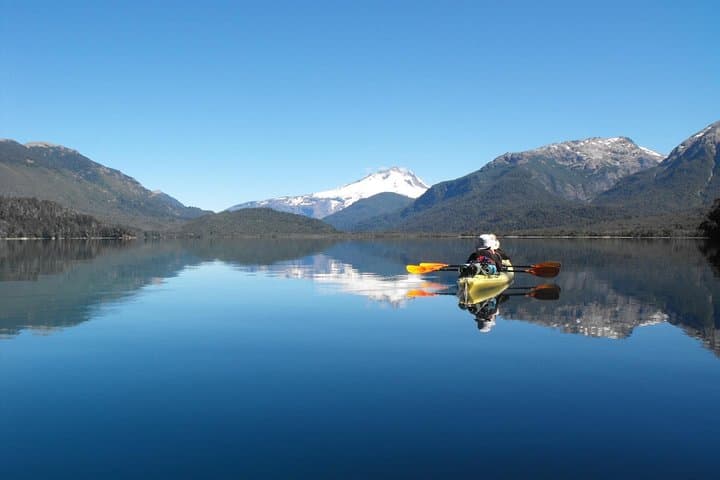
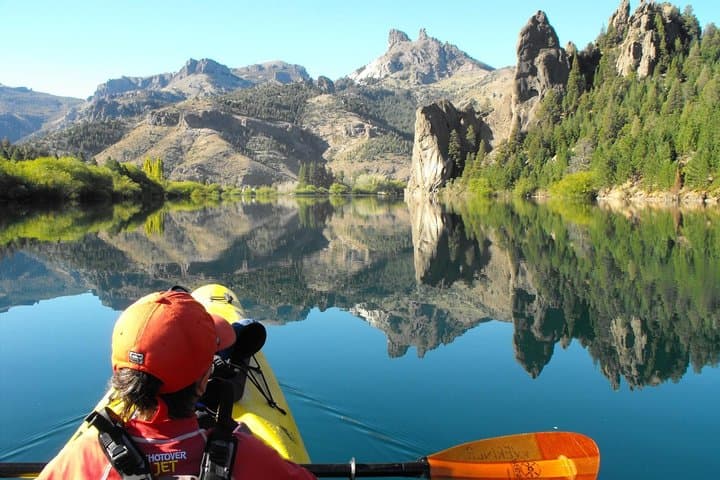
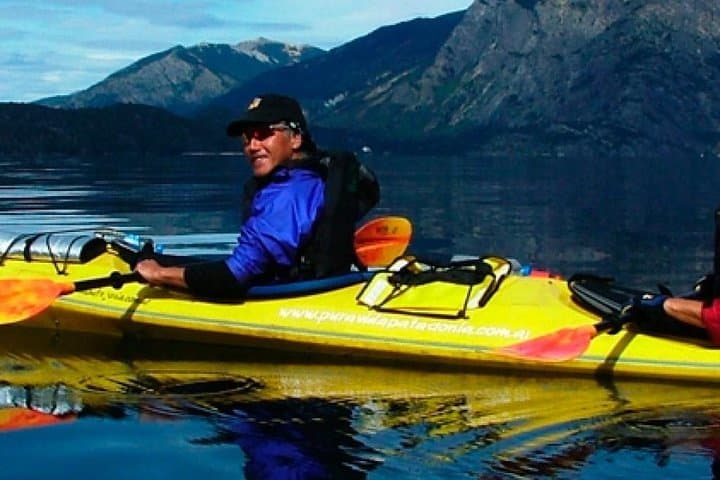
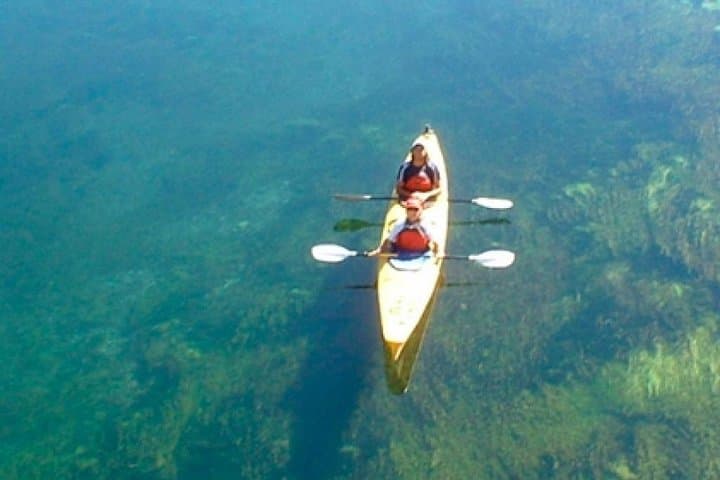
You push off from a small pebble beach and the lake immediately tests you—not with violence but with personality: the wind teases one side while sheltered bays invite steady, confident strokes. Morning light carves the granite ridges around Bariloche, and the paddle clicks into a rhythm that matches the water’s mood.
You push off from a small pebble beach and the lake immediately tests you—not with violence but with personality: the wind teases one side while sheltered bays invite steady, confident strokes. Morning light carves the granite ridges around Bariloche, and the paddle clicks into a rhythm that matches the water’s mood.
Lake Gutiérrez sits at the southern edge of the Nahuel Huapi massif, a glacial basin shaped during the last ice age. The region carries layers of human history too: Mapuche presence long before European settlement, then mountain lodges and trout camps that turned these lakes into playgrounds for anglers and paddlers. Geology shows in the polished rock and cirque-backed coves; culture appears in the cabins and the lakeside bakeries that feed day-trippers after a paddle.
On a half-day crossing you’ll trace sheltered inlets, cut across open water when the wind allows, and stop for the included snack on a shoreline with a view. No prior kayak experience is required; guides brief basic strokes, safety and wind-reading. Expect roughly 2–3 hours paddling within a 4–5 hour outing, in groups kept small for a quiet lake experience.
Practical notes: wind dictates departure and route, so flexibility is built into bookings. Dress in layers, bring sun protection and a dry bag for phones. If you’re after silence, aim for early departures—calmer water, clearer light, and fewer motorboats. Whether you’re learning to paddle or simply crossing a Patagonian lake, Gutiérrez offers immediate access to big scenery with approachable conditions.