THE ADVENTURE COLLECTIVE® · Independent discovery and booking for outdoor travel

Paddle quiet canals through Xochimilco’s ancient chinampas and encounter birds, traditional boat vendors and a slice of Aztec-era agriculture. This three-hour kayak experience mixes gentle exertion with rich cultural and ecological history.
Paddle quiet canals through Xochimilco’s ancient chinampas and encounter birds, traditional boat vendors and a slice of Aztec-era agriculture. This three-hour kayak experience mixes gentle exertion with rich cultural and ecological history.
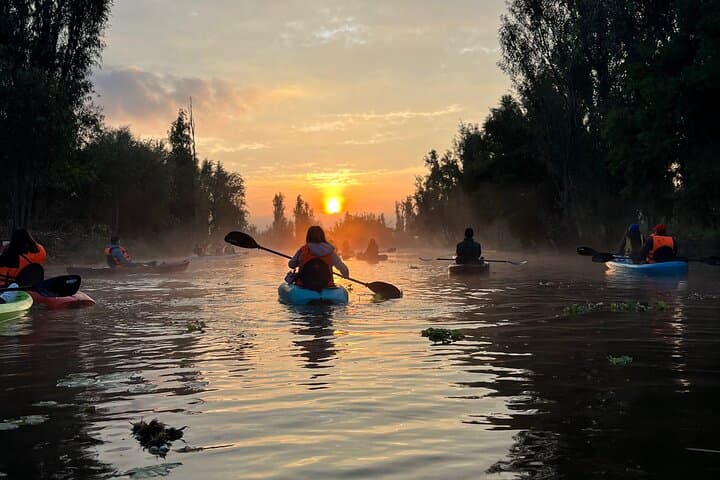
Morning mist lifts off the canals as your paddle breaks the glass-smooth surface—reeds lean in like curious neighbors and the chinampas call you through narrow waterways.
Verified experiences and guided adventures in the surrounding area.
Operated by Askatl Tours · Xochimilco, Mexico City
Morning mist lifts off the canals as your paddle breaks the glass-smooth surface—reeds lean in like curious neighbors and the chinampas call you through narrow waterways.
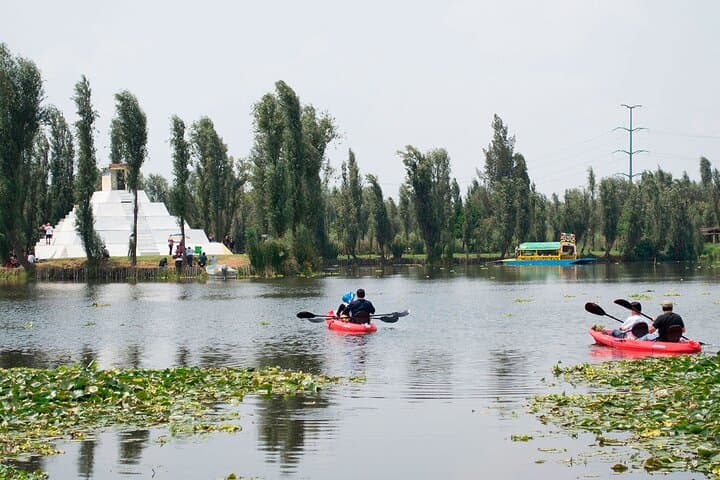
This three-hour kayak trip threads through Xochimilco’s living archaeological landscape, the engineered islands and canals that fed the Aztec capital of Tenochtitlán. The geology here is shallow lacustrine basin and alluvial sediments from the old Valley of Mexico; farmers created chinampas—raised planting beds—centuries ago and they remain visible as linear green plots edged by water.
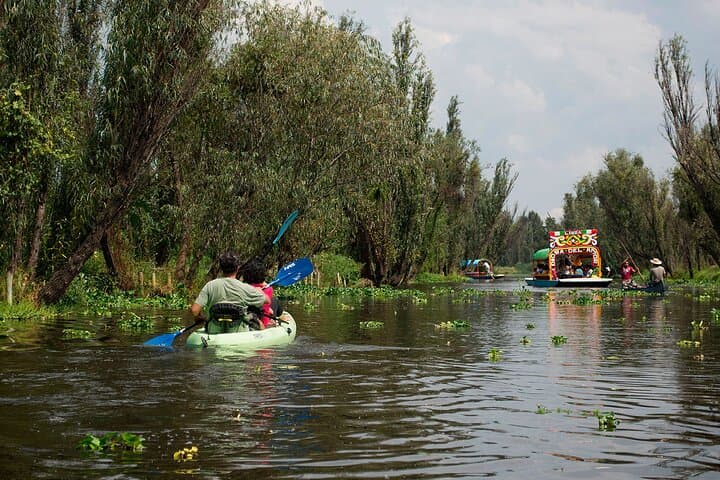
Culture and nature arrive together: vendors on small boats still sell flowers and snacks, and native and migratory birds—herons, kingfishers and egrets—announce themselves from canal margins. The site’s UNESCO designation recognizes both cultural ingenuity and the fragile urban ecosystem that survives beneath Mexico City’s sprawl.
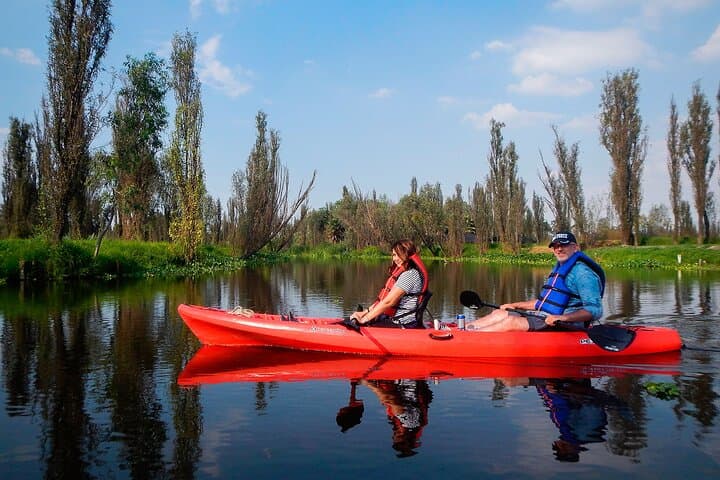
Practical guidance: tours typically provide a kayak, paddle and personal flotation device; expect basic paddling instruction and a moderately paced route suitable for people in fair fitness. Bring water, a waterproof bag for phones, sun protection and closed-toe water shoes. Start early to avoid afternoon winds and the busiest trajineras; watch for narrow channels where you may need to maneuver carefully.
Respect the chinampas by avoiding shoreline trampling and packing out trash; local conservation groups work to balance tourism with water-quality and heritage preservation. For first-time paddlers, the experience is equal parts guided wildlife watching and hands-on connection with one of Mexico’s oldest agricultural landscapes.
moderate.
3 hours.
Moderate cardiovascular fitness and basic upper-body strength for sustained paddling; suitable for beginners after brief instruction.
No prior experience is required; operators provide basic instruction and life jackets, but you should be comfortable with moderate exertion.
Shared tours are small—this itinerary lists a maximum of seven travelers—so expect a guided, intimate paddle.
Xochimilco is reachable by public transport and taxis from Mexico City; many launch sites are near local embarcaderos served by buses and the light rail.
Children are typically welcome but must follow operator rules—infants may be required to sit on an adult’s lap and participants should meet the provider’s fitness and weight guidelines.
The chinampa system dates to pre-Hispanic times and supported Tenochtitlán by turning shallow lakebeds into productive gardens.
Urban development and water pollution threaten Xochimilco; responsible tourism and local restoration projects aim to protect water quality and chinampa agriculture.
Askatl Tours operates guided outdoor trips and adventures with an emphasis on safety, stewardship, and memorable experiences.
Morning mist lifts off the canals as your paddle breaks the glass-smooth surface—reeds lean in like curious neighbors and the chinampas call you through narrow waterways.
Morning mist lifts off the canals as your paddle breaks the glass-smooth surface—reeds lean in like curious neighbors and the chinampas call you through narrow waterways.
This three-hour kayak trip threads through Xochimilco’s living archaeological landscape, the engineered islands and canals that fed the Aztec capital of Tenochtitlán. The geology here is shallow lacustrine basin and alluvial sediments from the old Valley of Mexico; farmers created chinampas—raised planting beds—centuries ago and they remain visible as linear green plots edged by water.
Culture and nature arrive together: vendors on small boats still sell flowers and snacks, and native and migratory birds—herons, kingfishers and egrets—announce themselves from canal margins. The site’s UNESCO designation recognizes both cultural ingenuity and the fragile urban ecosystem that survives beneath Mexico City’s sprawl.
Practical guidance: tours typically provide a kayak, paddle and personal flotation device; expect basic paddling instruction and a moderately paced route suitable for people in fair fitness. Bring water, a waterproof bag for phones, sun protection and closed-toe water shoes. Start early to avoid afternoon winds and the busiest trajineras; watch for narrow channels where you may need to maneuver carefully.
Respect the chinampas by avoiding shoreline trampling and packing out trash; local conservation groups work to balance tourism with water-quality and heritage preservation. For first-time paddlers, the experience is equal parts guided wildlife watching and hands-on connection with one of Mexico’s oldest agricultural landscapes.