THE ADVENTURE COLLECTIVE® · Independent discovery and booking for outdoor travel

Paddle to the floating reed islands of the Uros, then hop a speedboat to Taquile for textile demonstrations and lunch. This full-day Lake Titicaca excursion mixes an hour of guided kayaking with cultural visits and scenic crossings.
Paddle to the floating reed islands of the Uros, then hop a speedboat to Taquile for textile demonstrations and lunch. This full-day Lake Titicaca excursion mixes an hour of guided kayaking with cultural visits and scenic crossings.
Mist lifts off concrete-gray water and the oar tips chip tiny diamonds as you push from a small port near Puno. The air is thin at 3,800 meters; every stroke feels like a negotiation with altitude and wind. For an hour you pilot a sea kayak across sheltered bays toward the Uros reed islands, where floating platforms rise and settle with a slow, human rhythm.
Verified experiences and guided adventures in the surrounding area.
Operated by Real Travel Peru · Puno, Puno
Mist lifts off concrete-gray water and the oar tips chip tiny diamonds as you push from a small port near Puno. The air is thin at 3,800 meters; every stroke feels like a negotiation with altitude and wind. For an hour you pilot a sea kayak across sheltered bays toward the Uros reed islands, where floating platforms rise and settle with a slow, human rhythm.
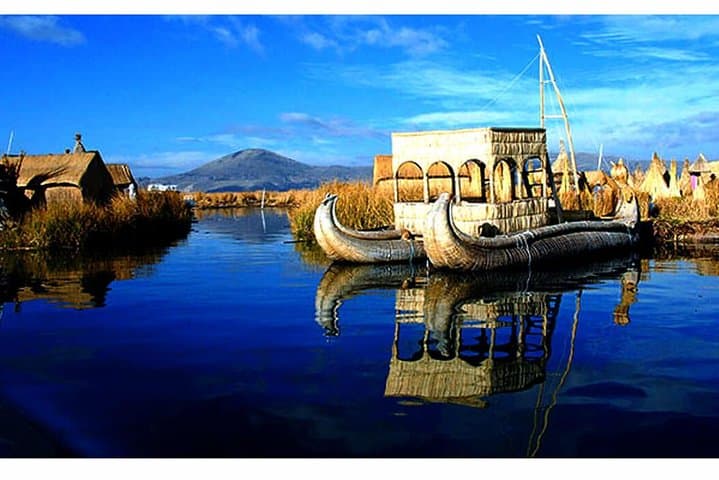
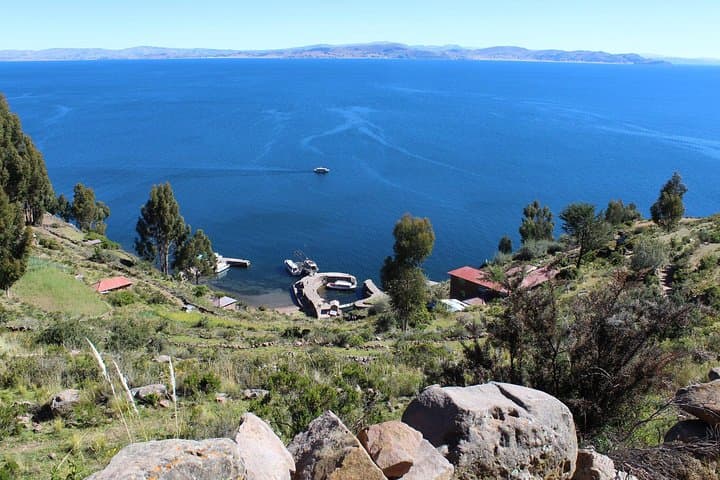
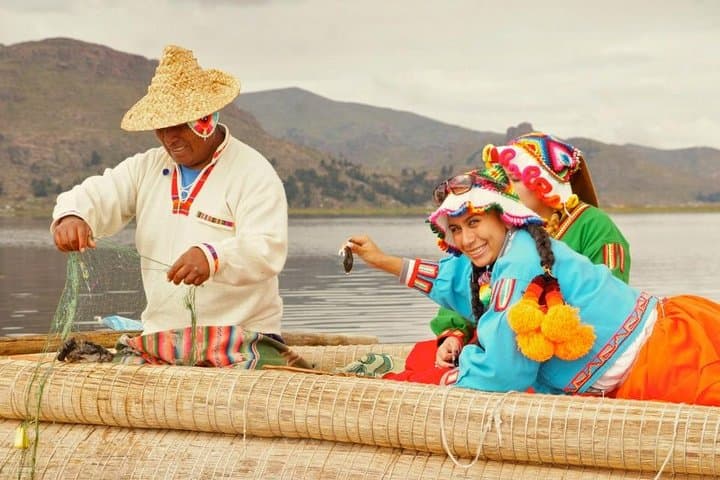
The Uros are pre-Inca reed constructions—man-made islands maintained by generations harvesting totora. Across open water, Taquile’s stony terraces and textile cooperatives tell a different story: communal weaving governed by age-old codes. Geologically, Lake Titicaca sits in a high Andean basin carved by glacial and tectonic forces, its shoreline alternating between rocky escarpments and reed-edged flats that harbor unique birds and endemic fish.
Expect one hour of guided paddling, followed by a motorboat hop to Taquile and a communal lunch; total trip time is roughly 8–10 hours. Weather shifts quickly—sun, wind and cooling evenings are all part of the day—so layer and hydrate. Guides demonstrate reed harvesting, explain local weaving techniques, and handle logistics including safety briefings and a support boat.
Practical points: acclimatize in Puno before you go, wear sturdy water shoes, and bring sun protection and a windproof jacket. Respect island customs—ask before photographing people—and avoid leaving waste on the fragile reed islands. The itinerary combines active paddling, cultural exchange and boat transfers, delivering a full, tactile day on high-altitude water.
moderate.
8–10 hours.
Good baseline fitness and basic paddling endurance; must handle short bursts of exertion at high altitude.
The guided paddling lasts approximately one hour across sheltered bays; distance varies with wind but typically 2–4 km.
Yes—lunch on Taquile and hotel-port-hotel transfers are included, along with entrance tickets and kayak equipment.
Yes—participants should have a basic level of fitness; guides provide instruction and a support boat accompanies the group.
Rest in Puno for 24–48 hours, stay hydrated, avoid heavy alcohol the night before, and notify guides of any symptoms immediately.
The Uros constructed floating totora reed islands centuries before the Inca, while Taquile is known for a weaving tradition where men historically produce tightly woven textiles.
Reed harvesting must be sustainable to prevent island erosion; visitors should avoid single-use plastics and follow local guidance to limit ecological impact.
Real Travel Peru operates guided outdoor trips and adventures with an emphasis on safety, stewardship, and memorable experiences.

Mist lifts off concrete-gray water and the oar tips chip tiny diamonds as you push from a small port near Puno. The air is thin at 3,800 meters; every stroke feels like a negotiation with altitude and wind. For an hour you pilot a sea kayak across sheltered bays toward the Uros reed islands, where floating platforms rise and settle with a slow, human rhythm.
Mist lifts off concrete-gray water and the oar tips chip tiny diamonds as you push from a small port near Puno. The air is thin at 3,800 meters; every stroke feels like a negotiation with altitude and wind. For an hour you pilot a sea kayak across sheltered bays toward the Uros reed islands, where floating platforms rise and settle with a slow, human rhythm.
The Uros are pre-Inca reed constructions—man-made islands maintained by generations harvesting totora. Across open water, Taquile’s stony terraces and textile cooperatives tell a different story: communal weaving governed by age-old codes. Geologically, Lake Titicaca sits in a high Andean basin carved by glacial and tectonic forces, its shoreline alternating between rocky escarpments and reed-edged flats that harbor unique birds and endemic fish.
Expect one hour of guided paddling, followed by a motorboat hop to Taquile and a communal lunch; total trip time is roughly 8–10 hours. Weather shifts quickly—sun, wind and cooling evenings are all part of the day—so layer and hydrate. Guides demonstrate reed harvesting, explain local weaving techniques, and handle logistics including safety briefings and a support boat.
Practical points: acclimatize in Puno before you go, wear sturdy water shoes, and bring sun protection and a windproof jacket. Respect island customs—ask before photographing people—and avoid leaving waste on the fragile reed islands. The itinerary combines active paddling, cultural exchange and boat transfers, delivering a full, tactile day on high-altitude water.