THE ADVENTURE COLLECTIVE® · Independent discovery and booking for outdoor travel

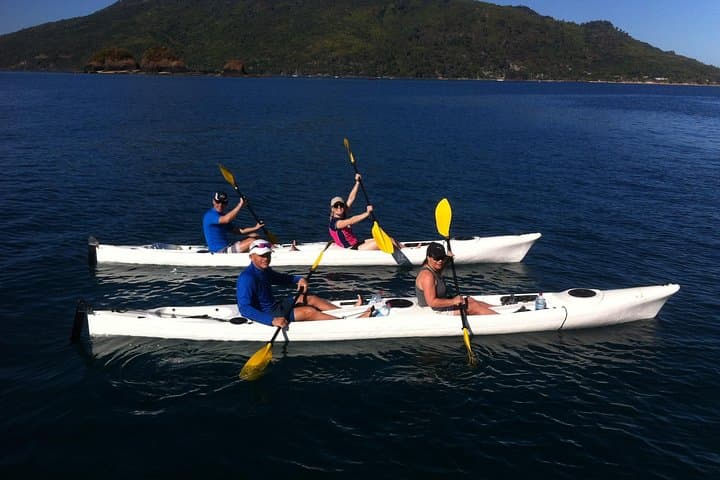
Paddle from Madagascar’s mainland to Nosy Komba and past Lokobe National Park, tracing reef channels and rainforest-edged shores while watching for lemurs and sea turtles. This guided sea-kayak experience blends coastal navigation with wildlife viewing and cultural stops.
Paddle from Madagascar’s mainland to Nosy Komba and past Lokobe National Park, tracing reef channels and rainforest-edged shores while watching for lemurs and sea turtles. This guided sea-kayak experience blends coastal navigation with wildlife viewing and cultural stops.
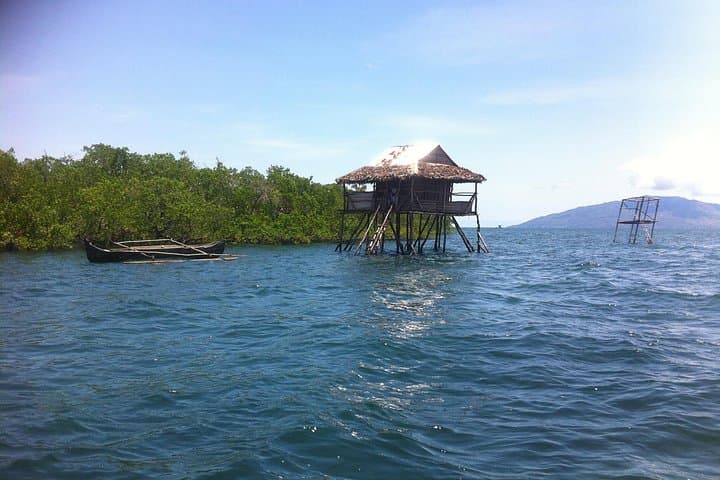
You push off from the mainland and the channel tightens—mangroves pull the wind aside, the current dares you forward, and the dark form of Nosy Komba appears ahead like an island with a pulse. Kayaking this route places paddlers in a liminal stretch between reef and rainforest: the water is a map of coral gardens and channels, the shorelines a scatter of fishing pirogues and small Sakalava villages.
Verified experiences and guided adventures in the surrounding area.
Operated by MTT Madagascar Travel and Tours · Hell-Ville (Andoany), Diana
You push off from the mainland and the channel tightens—mangroves pull the wind aside, the current dares you forward, and the dark form of Nosy Komba appears ahead like an island with a pulse. Kayaking this route places paddlers in a liminal stretch between reef and rainforest: the water is a map of coral gardens and channels, the shorelines a scatter of fishing pirogues and small Sakalava villages.
The route skirts Lokobe National Park, one of the last lowland rainforests on Nosy Be and home to black lemurs and endemic reptiles. Geologically, Nosy Komba and nearby islets are raised volcanic formations ringed by coral growth; tides reveal reef flats at low water and open channels at high. Culturally, Nosy Komba’s villages combine subsistence fishing with artisan crafts—wood carving and ylang-ylang gardens are common sights.
Expect sheltered open-ocean paddling with short reef crossings, variable currents, and sections of calm lagoon. Guides typically interpret tides and pick wildlife windows for sightings of lemurs, sea turtles and rich reef fish life. The tour requires moderate fitness and basic paddling technique; it’s not suitable for people with serious back or heart conditions.
Practical tips: time departures for morning slack tides, wear reef shoes for landings, use reef-safe sunscreen, and bring a dry bag with water and a light change of clothes. Weather matters—June–August is dryer and more stable for sea conditions, while December–March brings heavier rain and cyclone risk. Respect wildlife viewing etiquette, avoid feeding animals, and follow your guide’s route to minimize impact on fragile coral and shoreline habitats.
moderate.
72 hours (listed).
Moderate — you should be comfortable paddling multiple hours in open water and able to re-enter a kayak from shore
No advanced experience is required, but you should have basic paddling skills and be comfortable in open water; guides will brief on technique and safety.
The itinerary lists a 72-hour duration; confirm timings with the operator—actual on-water time is typically multiple hours with transfers and possible overnight logistics if included.
Booking asks for pickup and arrival details, so operators commonly arrange transfers from Hell-Ville (Andoany) or nearby accommodation—confirm pick-up point when booking.
Guides aim for wildlife windows around Lokobe and Nosy Komba; sightings of black lemurs, reef fish, and occasionally sea turtles are common but never guaranteed.
Nosy Komba and Nosy Be have long been part of coastal trading routes; the islands retain strong Sakalava cultural ties and economies built around fishing and ylang-ylang exports.
The area’s reefs and Lokobe forest are sensitive—use reef-safe products, avoid litter, and follow guide instructions to minimize disturbance to wildlife and coral.
MTT Madagascar Travel and Tours operates guided outdoor trips and adventures with an emphasis on safety, stewardship, and memorable experiences.
You push off from the mainland and the channel tightens—mangroves pull the wind aside, the current dares you forward, and the dark form of Nosy Komba appears ahead like an island with a pulse. Kayaking this route places paddlers in a liminal stretch between reef and rainforest: the water is a map of coral gardens and channels, the shorelines a scatter of fishing pirogues and small Sakalava villages.
You push off from the mainland and the channel tightens—mangroves pull the wind aside, the current dares you forward, and the dark form of Nosy Komba appears ahead like an island with a pulse. Kayaking this route places paddlers in a liminal stretch between reef and rainforest: the water is a map of coral gardens and channels, the shorelines a scatter of fishing pirogues and small Sakalava villages.
The route skirts Lokobe National Park, one of the last lowland rainforests on Nosy Be and home to black lemurs and endemic reptiles. Geologically, Nosy Komba and nearby islets are raised volcanic formations ringed by coral growth; tides reveal reef flats at low water and open channels at high. Culturally, Nosy Komba’s villages combine subsistence fishing with artisan crafts—wood carving and ylang-ylang gardens are common sights.
Expect sheltered open-ocean paddling with short reef crossings, variable currents, and sections of calm lagoon. Guides typically interpret tides and pick wildlife windows for sightings of lemurs, sea turtles and rich reef fish life. The tour requires moderate fitness and basic paddling technique; it’s not suitable for people with serious back or heart conditions.
Practical tips: time departures for morning slack tides, wear reef shoes for landings, use reef-safe sunscreen, and bring a dry bag with water and a light change of clothes. Weather matters—June–August is dryer and more stable for sea conditions, while December–March brings heavier rain and cyclone risk. Respect wildlife viewing etiquette, avoid feeding animals, and follow your guide’s route to minimize impact on fragile coral and shoreline habitats.