THE ADVENTURE COLLECTIVE® · Independent discovery and booking for outdoor travel

Paddle among the reed-built Uros islands and visit Taquile’s terraced village on a full-day Lake Titicaca excursion. Expect high-altitude paddling, close wildlife encounters, and a cultural immersion with local textile traditions.
Paddle among the reed-built Uros islands and visit Taquile’s terraced village on a full-day Lake Titicaca excursion. Expect high-altitude paddling, close wildlife encounters, and a cultural immersion with local textile traditions.
You push off from a low, rocky shore as the sun carves pale light across Lake Titicaca; the paddle slips through cold, high-altitude water and the island line of reeds drifts into view. The first hours are quiet—only gulls calling and the soft scrape of totora against hull—until the reed platforms of the Uros rise like living rafts, people moving between huts and reed boats.
Verified experiences and guided adventures in the surrounding area.
Operated by Tangol · Puno, Puno
You push off from a low, rocky shore as the sun carves pale light across Lake Titicaca; the paddle slips through cold, high-altitude water and the island line of reeds drifts into view. The first hours are quiet—only gulls calling and the soft scrape of totora against hull—until the reed platforms of the Uros rise like living rafts, people moving between huts and reed boats.
This route traces both natural and human history: Lake Titicaca is a high Andean basin shaped by glacial and tectonic forces, supporting unique freshwater species. The Uros people engineered floating islands from totora reeds centuries before Spanish contact, a practical response to intergroup tensions and changing shorelines. Taquile Island, farther out, is known for steep terraced fields and a textile culture governed by communal rules—its handwoven belts and chullos mark social identity.
Expect varied terrain: flat paddling near the reeds, occasional chop crossing open water, and stone paths on Taquile with steps and moderate climbs. Guides typically combine a kayak loop around Uros with a motor transfer to Taquile for a village walk and lunch.
Practical edge: altitude matters—move slowly, hydrate, and keep layers handy for sun and wind. Footwear should grip wet reeds and uneven cobbles. Plan for a long day (roughly 9–10 hours including transfers), and bring small bills for community purchases. Respect local customs—ask before photographing people and accept offered explanations about weaving practices. This trip mixes calm paddling, birdwatching, and a hands-on window into lakeside life.
moderate.
9–10 hours.
Moderate cardiovascular fitness; comfortable with several hours of paddling and short uphill walks on Taquile
No—guides provide instruction and use stable recreational kayaks; basic paddling ability helps but is not required.
Lake Titicaca sits around 3,800 m (12,500 ft); visitors should acclimatize, hydrate, and avoid heavy alcohol the night before.
Most full-day itineraries combine a kayak visit to Uros with a motorboat transfer to Taquile; confirm whether your booking includes the boat leg and lunch.
Basic facilities exist on Uros and Taquile, but they are simple—carry hand sanitizer and small change for use where requested.
The Uros islands predate many coastal settlements—constructed from totora as floating refuges—and Taquile developed a communal textile system that preserves pre-Columbian motifs and social rules.
Totora beds and freshwater species are sensitive to pollution and boat traffic; support community-based operators and avoid littering to minimize impact.
Tangol operates guided outdoor trips and adventures with an emphasis on safety, stewardship, and memorable experiences.
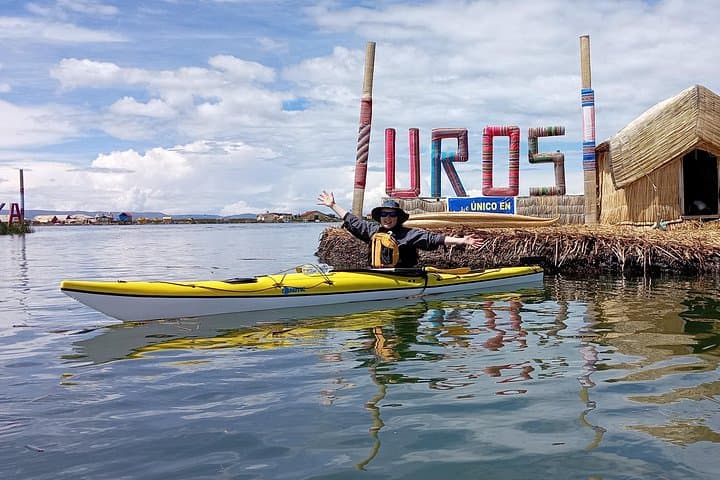
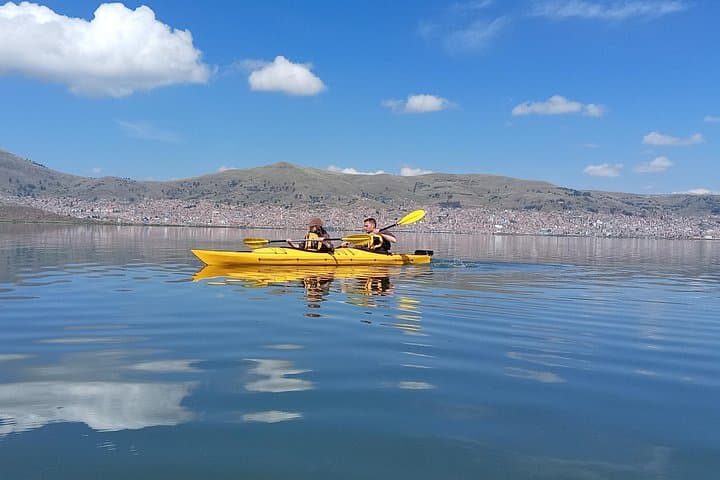
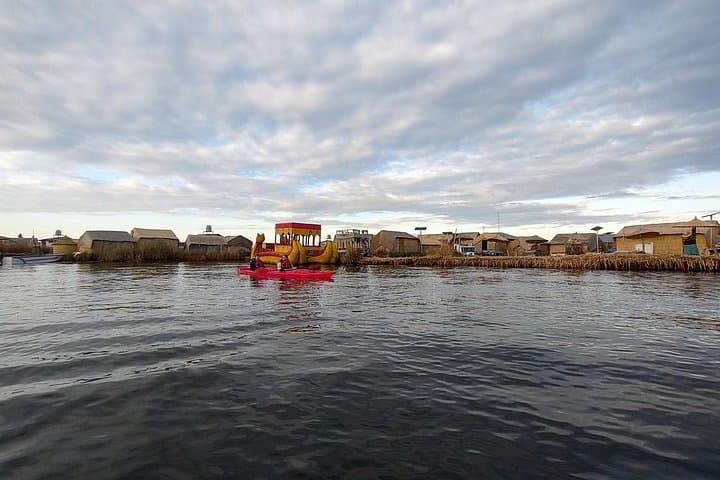
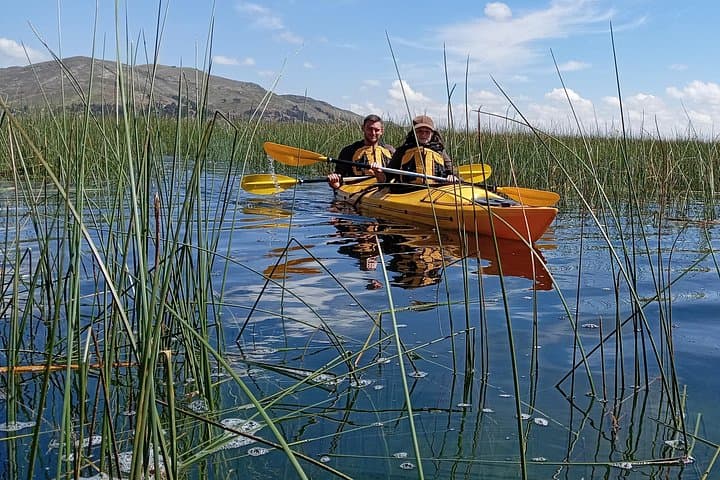
You push off from a low, rocky shore as the sun carves pale light across Lake Titicaca; the paddle slips through cold, high-altitude water and the island line of reeds drifts into view. The first hours are quiet—only gulls calling and the soft scrape of totora against hull—until the reed platforms of the Uros rise like living rafts, people moving between huts and reed boats.
You push off from a low, rocky shore as the sun carves pale light across Lake Titicaca; the paddle slips through cold, high-altitude water and the island line of reeds drifts into view. The first hours are quiet—only gulls calling and the soft scrape of totora against hull—until the reed platforms of the Uros rise like living rafts, people moving between huts and reed boats.
This route traces both natural and human history: Lake Titicaca is a high Andean basin shaped by glacial and tectonic forces, supporting unique freshwater species. The Uros people engineered floating islands from totora reeds centuries before Spanish contact, a practical response to intergroup tensions and changing shorelines. Taquile Island, farther out, is known for steep terraced fields and a textile culture governed by communal rules—its handwoven belts and chullos mark social identity.
Expect varied terrain: flat paddling near the reeds, occasional chop crossing open water, and stone paths on Taquile with steps and moderate climbs. Guides typically combine a kayak loop around Uros with a motor transfer to Taquile for a village walk and lunch.
Practical edge: altitude matters—move slowly, hydrate, and keep layers handy for sun and wind. Footwear should grip wet reeds and uneven cobbles. Plan for a long day (roughly 9–10 hours including transfers), and bring small bills for community purchases. Respect local customs—ask before photographing people and accept offered explanations about weaving practices. This trip mixes calm paddling, birdwatching, and a hands-on window into lakeside life.