THE ADVENTURE COLLECTIVE® · Independent discovery and booking for outdoor travel

Combine sunrise tomb visits with a peaceful Nile paddle on this half-day to full-day tour of Luxor’s West Bank. Explore royal tombs and Hatshepsut’s terraces, then see the river and villages from a kayak.
Combine sunrise tomb visits with a peaceful Nile paddle on this half-day to full-day tour of Luxor’s West Bank. Explore royal tombs and Hatshepsut’s terraces, then see the river and villages from a kayak.
Morning light strips the desert of its chill and the West Bank wakes slowly: sandstone cliffs catch amber sun while the Nile dares you to cross and see the city from its slow-moving spine.
Verified experiences and guided adventures in the surrounding area.
Operated by Luxor Taxi - DayTour · Luxor, Luxor Governorate
Morning light strips the desert of its chill and the West Bank wakes slowly: sandstone cliffs catch amber sun while the Nile dares you to cross and see the city from its slow-moving spine.
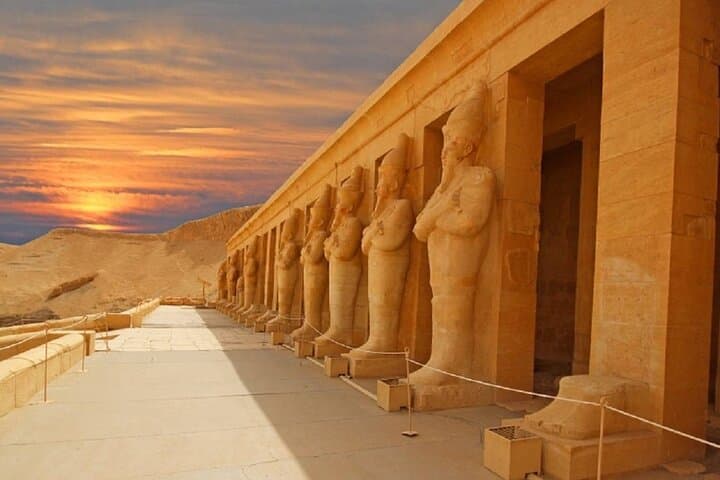
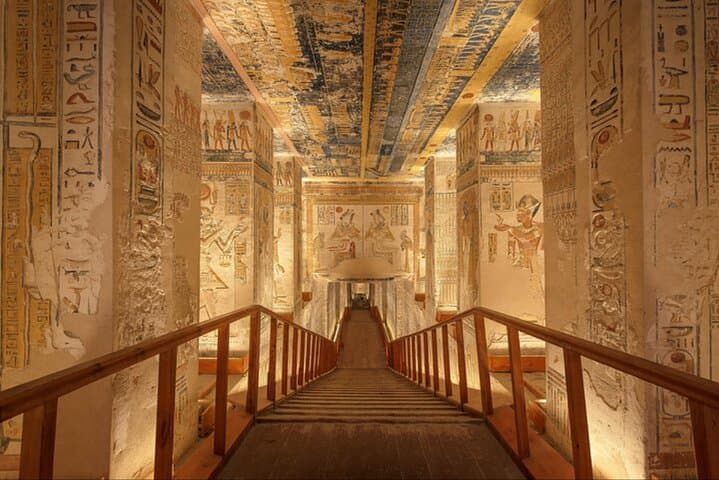
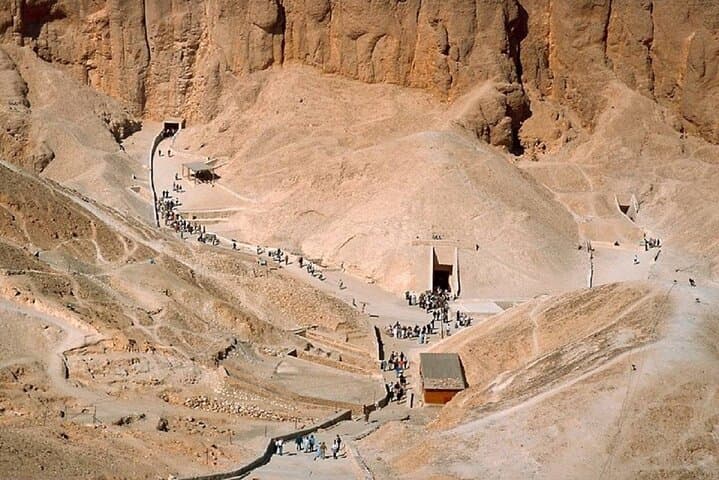
You begin where Egypt’s afterlife was planned — the Valley of the Kings — walking past painted corridors that narrate pharaonic beliefs about rebirth. Nearby, Hatshepsut’s temple rises in layered terraces, a bold statement of a woman who ruled as king. Medinet Habu’s pitted walls and ram-headed columns tell a different chapter: power carved into stone. Geologically, the valley is a band of limestone and bedrock cut by millennia of wind and rare flash floods, creating the sheltered tomb sites.
Culturally, the West Bank still belongs to villagers and ancient craft: keep an eye for stone cutters and local markets where modern life rubs shoulders with antiquity. Then trade sandals for paddles — the Nile calms here, pushing gently, reflecting riverbank date palms and feluccas as you glide past small farms and painted houses.
Practically, expect an early start to avoid mid-day heat, a guided Egyptologist in the morning, and a supervised kayaking section after temple visits. Bring your passport for tickets, sun protection, and modest clothing for temple entrances. Photography rules vary by tomb; flash is often forbidden. The trip includes transportation and hotel pickup, but river currents and sun can still surprise you, so hydrate and move deliberately.
This blend of archaeology and simple river travel gives a vivid, varied day: ancient chambers, carved history, and the Nile’s quiet company — a Luxor experience that informs as much as it refreshes.
easy.
6–7 hours.
Comfortable with several hours of walking on uneven ground and a short, gentle paddling session; suitable for most fitness levels.
Yes — the kayaking section is on calm Nile stretches with an experienced guide and basic instruction provided.
Admission to specific tombs depends on opening and ticket policies; bring your passport as tickets are issued on-site and some tombs require separate entrance fees.
Yes — the tour operates on the West Bank and includes transportation to river launch points; hotel pickup and drop-off are included in most bookings.
The tour is labeled suitable for all fitness levels; infants must sit on laps and kayaking is generally appropriate for supervised older children — check age restrictions with the operator.
This stretch of the West Bank held royal necropolises for New Kingdom pharaohs; Hatshepsut’s temple marks a rare example of a female ruler asserting traditional monumental architecture.
High tourist traffic stresses fragile tomb surfaces and local water resources; stick to paths, avoid touching reliefs, and use water responsibly to minimize impact.
Luxor Taxi - DayTour operates guided outdoor trips and adventures with an emphasis on safety, stewardship, and memorable experiences.

Morning light strips the desert of its chill and the West Bank wakes slowly: sandstone cliffs catch amber sun while the Nile dares you to cross and see the city from its slow-moving spine.
Morning light strips the desert of its chill and the West Bank wakes slowly: sandstone cliffs catch amber sun while the Nile dares you to cross and see the city from its slow-moving spine.
You begin where Egypt’s afterlife was planned — the Valley of the Kings — walking past painted corridors that narrate pharaonic beliefs about rebirth. Nearby, Hatshepsut’s temple rises in layered terraces, a bold statement of a woman who ruled as king. Medinet Habu’s pitted walls and ram-headed columns tell a different chapter: power carved into stone. Geologically, the valley is a band of limestone and bedrock cut by millennia of wind and rare flash floods, creating the sheltered tomb sites.
Culturally, the West Bank still belongs to villagers and ancient craft: keep an eye for stone cutters and local markets where modern life rubs shoulders with antiquity. Then trade sandals for paddles — the Nile calms here, pushing gently, reflecting riverbank date palms and feluccas as you glide past small farms and painted houses.
Practically, expect an early start to avoid mid-day heat, a guided Egyptologist in the morning, and a supervised kayaking section after temple visits. Bring your passport for tickets, sun protection, and modest clothing for temple entrances. Photography rules vary by tomb; flash is often forbidden. The trip includes transportation and hotel pickup, but river currents and sun can still surprise you, so hydrate and move deliberately.
This blend of archaeology and simple river travel gives a vivid, varied day: ancient chambers, carved history, and the Nile’s quiet company — a Luxor experience that informs as much as it refreshes.