THE ADVENTURE COLLECTIVE® · Independent discovery and booking for outdoor travel

Glide through 800–900 year-old chinampa canals on a calm three-hour kayak tour from Embarcadero Cuemanco. Expect quiet side channels, abundant birdlife, and up-close views of working island farms that recall prehispanic Lake Texcoco.
Glide through 800–900 year-old chinampa canals on a calm three-hour kayak tour from Embarcadero Cuemanco. Expect quiet side channels, abundant birdlife, and up-close views of working island farms that recall prehispanic Lake Texcoco.
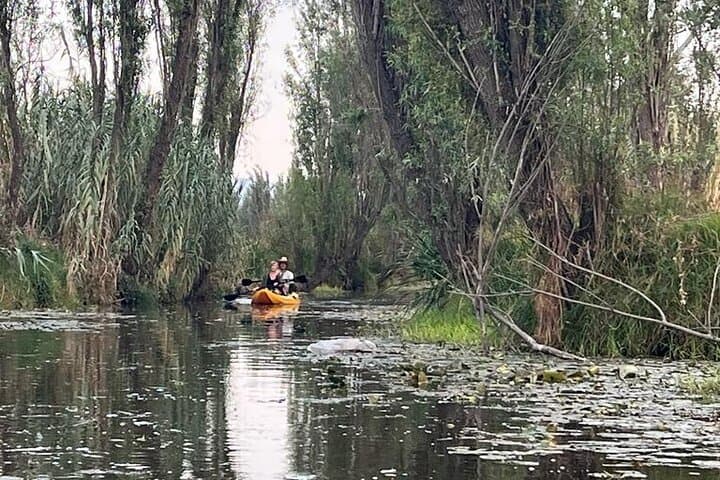
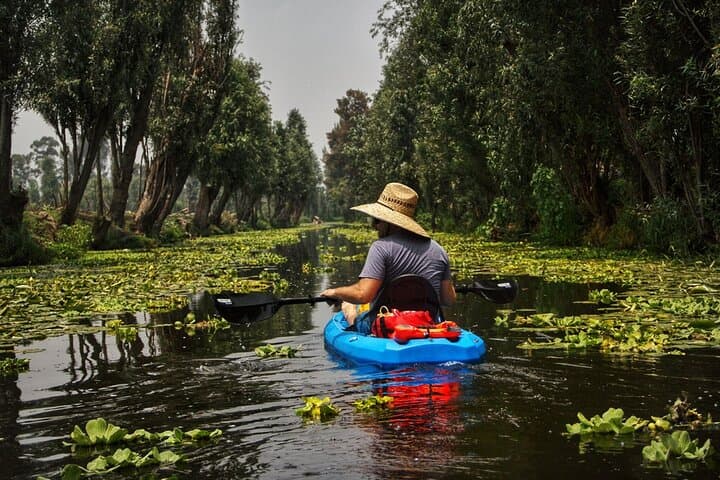
You push off from Embarcadero Cuemanco into a slow-moving green maze; reeds brush the kayak’s hull and mountain air presses soft against the water. The canals here make their own rhythm — currents that nudge you, birds that call you forward, and the low murmur of farmers tending plots that have grown food for centuries.
Verified experiences and guided adventures in the surrounding area.
Operated by Grant · Mexico City, Mexico City
You push off from Embarcadero Cuemanco into a slow-moving green maze; reeds brush the kayak’s hull and mountain air presses soft against the water. The canals here make their own rhythm — currents that nudge you, birds that call you forward, and the low murmur of farmers tending plots that have grown food for centuries.
This is the last operating chinampa system from Mexico’s prehispanic lake network, a living agricultural landscape roughly 800–900 years old. The shallow channels cut through volcanic soils deposited by the Basin of Mexico’s ancient lakes, giving the chinampas their unmatched fertility. Culturally, Xochimilco remains a place where trajineras sail for celebrations and small-scale farmers still harvest by hand.
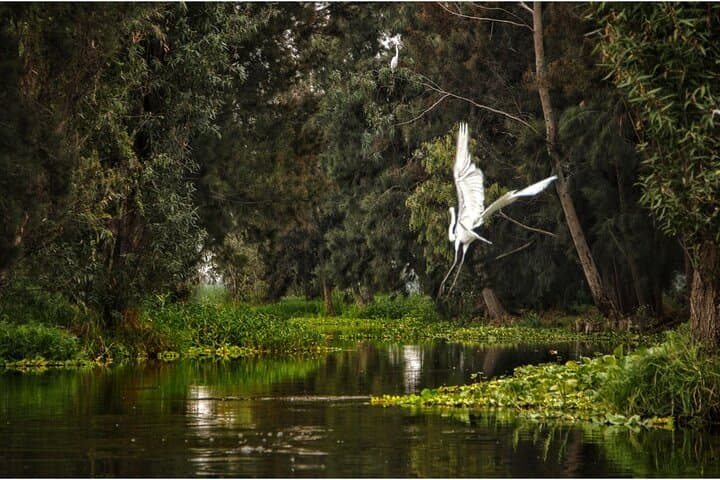
Expect calm paddling broken by narrow turns, low bridges, and clusters of aquatic vegetation. Wildlife steals the show: herons and kingfishers hover and, with luck, you may spot the rare axolotl in protected pools. Guides route groups through quieter side canals to pass working chinampas and photo-friendly stretches with mountain vistas.
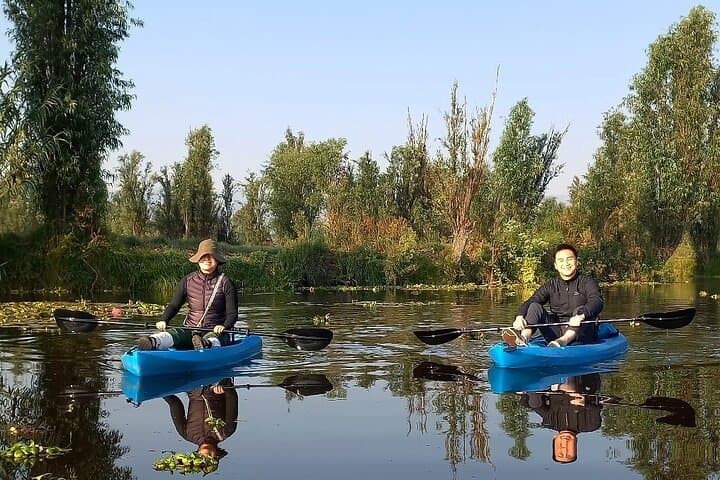
Practicalities: trips run about three hours and demand steady paddling and basic balance; lifejackets and dry bags are standard. Bring sun protection, a refillable bottle, and a small camera — pockets stay dry in provided dry bags. Avoid single-use plastics, follow your guide’s route through narrower channels, and time your paddle for morning or late afternoon light to skirt the busiest trajinera traffic.
This paddle is less a sprint than a measured encounter with history and habitat — a slow, deliberate way to read a landscape that still feeds a city.
moderate.
3 hours.
Moderate — comfortable sitting and paddling for several hours; core stability and shoulder endurance helpful
The canals are calm and sheltered; the trip is rated moderate due to duration — basic paddling skills and reasonable fitness are required.
Yes, lifejackets are provided and required for all paddlers.
Yes — beginners can join but should be prepared for three hours of continuous paddling and follow the guide’s instructions.
Axolotls are rare and mostly confined to protected areas; sightings are possible but not guaranteed on a public canal paddle.
The chinampa system dates back to prehispanic times and represents the last substantial remnant of the shallow-lake agriculture that fed the Basin of Mexico for centuries.
Xochimilco faces pollution and invasive species pressures; operators emphasize no-litter policies, controlled access to sensitive channels, and support for local conservation efforts.
Grant operates guided outdoor trips and adventures with an emphasis on safety, stewardship, and memorable experiences.
You push off from Embarcadero Cuemanco into a slow-moving green maze; reeds brush the kayak’s hull and mountain air presses soft against the water. The canals here make their own rhythm — currents that nudge you, birds that call you forward, and the low murmur of farmers tending plots that have grown food for centuries.
You push off from Embarcadero Cuemanco into a slow-moving green maze; reeds brush the kayak’s hull and mountain air presses soft against the water. The canals here make their own rhythm — currents that nudge you, birds that call you forward, and the low murmur of farmers tending plots that have grown food for centuries.
This is the last operating chinampa system from Mexico’s prehispanic lake network, a living agricultural landscape roughly 800–900 years old. The shallow channels cut through volcanic soils deposited by the Basin of Mexico’s ancient lakes, giving the chinampas their unmatched fertility. Culturally, Xochimilco remains a place where trajineras sail for celebrations and small-scale farmers still harvest by hand.
Expect calm paddling broken by narrow turns, low bridges, and clusters of aquatic vegetation. Wildlife steals the show: herons and kingfishers hover and, with luck, you may spot the rare axolotl in protected pools. Guides route groups through quieter side canals to pass working chinampas and photo-friendly stretches with mountain vistas.
Practicalities: trips run about three hours and demand steady paddling and basic balance; lifejackets and dry bags are standard. Bring sun protection, a refillable bottle, and a small camera — pockets stay dry in provided dry bags. Avoid single-use plastics, follow your guide’s route through narrower channels, and time your paddle for morning or late afternoon light to skirt the busiest trajinera traffic.
This paddle is less a sprint than a measured encounter with history and habitat — a slow, deliberate way to read a landscape that still feeds a city.