THE ADVENTURE COLLECTIVE® · Independent discovery and booking for outdoor travel

Paddle calm waters around Paraty to reach quiet islands, deserted beaches and mangrove channels inaccessible to boats. This guided sea-kayak tour combines easy paddling, swimming stops and close encounters with bay wildlife.
Paddle calm waters around Paraty to reach quiet islands, deserted beaches and mangrove channels inaccessible to boats. This guided sea-kayak tour combines easy paddling, swimming stops and close encounters with bay wildlife.
The morning light hits Pontal Beach and the sea lays out like a map—soft blues interrupted by the dark fingers of mangrove. Guides fit lifejackets and hand over paddles; the double sea kayaks glide away from shore, engines of human rhythm matching the bay’s slow tide. You cut past small islands, stop on powdery sand where voices fall quiet, and return through a mangrove channel that only a kayak can thread.
Verified experiences and guided adventures in the surrounding area.
Operated by Paraty Explorer · Paraty, Rio de Janeiro
The morning light hits Pontal Beach and the sea lays out like a map—soft blues interrupted by the dark fingers of mangrove. Guides fit lifejackets and hand over paddles; the double sea kayaks glide away from shore, engines of human rhythm matching the bay’s slow tide. You cut past small islands, stop on powdery sand where voices fall quiet, and return through a mangrove channel that only a kayak can thread.
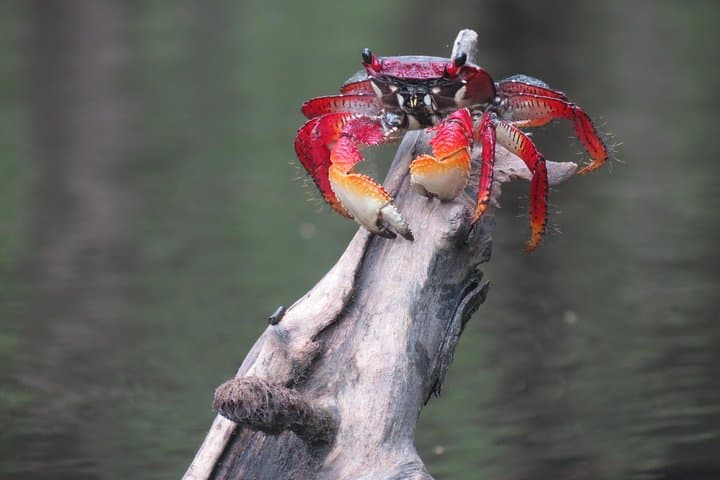
Paraty began as a colonial port on the route from Minas Gerais’ gold fields; the bay’s islands and channels are the result of ancient riverine deposits and Atlantic sculpting. Granite outcrops peek through tropical forest; mangrove roots trap sediments and support bright red crabs and a tangle of birdlife. Local culture still orients around fishing and small-scale tourism—expect to see fishermen’s nets, simple beach kiosks, and Portuguese colonial architecture back in town.
Practical guidance: the tour is active but accessible—no prior sea-kayak experience required. Paddling covers calm, protected water with short beach stops for swimming or snorkeling; guides provide instruction and safety gear. Tides affect mangrove access—high tide makes the channels navigable and exposes fewer rocks. Sun and salt are constant companions: reef-safe sunscreen, a dry bag, and water are essential. Aim for morning departures to catch flatter seas and cooler air, and leave space in your day for Paraty’s cobbled streets and seafood after the paddle.
moderate.
4 hours.
Moderate fitness—able to paddle for sustained periods, get in/out of a kayak and walk short sandy or rocky stretches.
No—guides provide paddling and safety instruction for double sea kayaks; basic fitness helps but beginners are welcome.
The tour description notes swimming and snorkeling stops but snorkeling gear is not always provided—bring your own if you want to snorkel confidently.
Groups are small and the tour recommends moderate fitness; check operator age limits but family bookings are common with parental supervision.
Mangrove access depends on tide conditions—high tide typically opens channels that boats cannot reach, so guides plan routes accordingly.
Paraty served as a colonial export port on the gold route between Minas Gerais and the coast; old town architecture reflects 18th-century Portuguese influence.
Mangroves are critical nursery habitat—avoid stepping on roots or disturbing fauna, use reef-safe products, and pack out all trash to reduce impact.
Paraty Explorer operates guided outdoor trips and adventures with an emphasis on safety, stewardship, and memorable experiences.
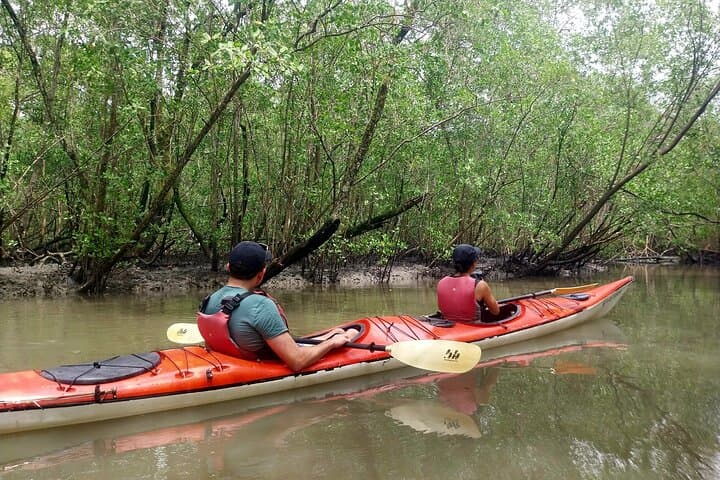
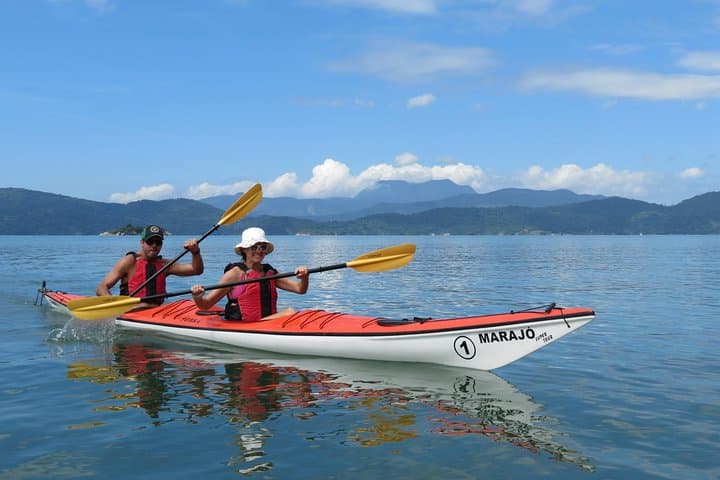
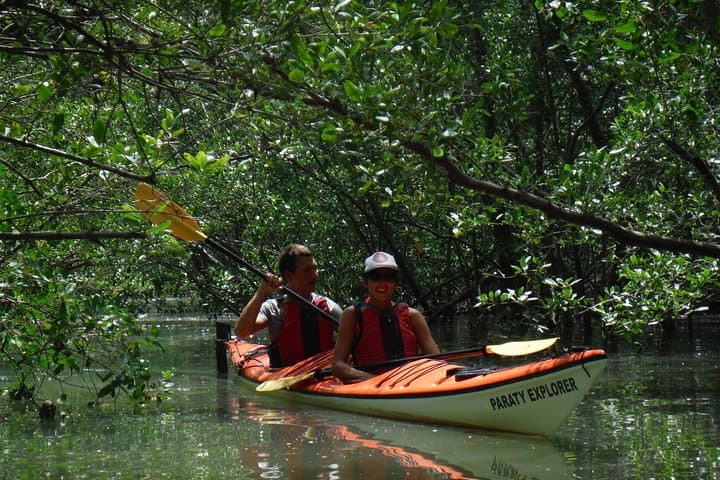
The morning light hits Pontal Beach and the sea lays out like a map—soft blues interrupted by the dark fingers of mangrove. Guides fit lifejackets and hand over paddles; the double sea kayaks glide away from shore, engines of human rhythm matching the bay’s slow tide. You cut past small islands, stop on powdery sand where voices fall quiet, and return through a mangrove channel that only a kayak can thread.
The morning light hits Pontal Beach and the sea lays out like a map—soft blues interrupted by the dark fingers of mangrove. Guides fit lifejackets and hand over paddles; the double sea kayaks glide away from shore, engines of human rhythm matching the bay’s slow tide. You cut past small islands, stop on powdery sand where voices fall quiet, and return through a mangrove channel that only a kayak can thread.
Paraty began as a colonial port on the route from Minas Gerais’ gold fields; the bay’s islands and channels are the result of ancient riverine deposits and Atlantic sculpting. Granite outcrops peek through tropical forest; mangrove roots trap sediments and support bright red crabs and a tangle of birdlife. Local culture still orients around fishing and small-scale tourism—expect to see fishermen’s nets, simple beach kiosks, and Portuguese colonial architecture back in town.
Practical guidance: the tour is active but accessible—no prior sea-kayak experience required. Paddling covers calm, protected water with short beach stops for swimming or snorkeling; guides provide instruction and safety gear. Tides affect mangrove access—high tide makes the channels navigable and exposes fewer rocks. Sun and salt are constant companions: reef-safe sunscreen, a dry bag, and water are essential. Aim for morning departures to catch flatter seas and cooler air, and leave space in your day for Paraty’s cobbled streets and seafood after the paddle.