THE ADVENTURE COLLECTIVE® · Independent discovery and booking for outdoor travel

Paddle Derwent Water with a guided small-group kayak session from Keswick. Learn basic strokes, explore quiet inlets and islands, and take in Borrowdale’s craggy felltops on a relaxed three-hour outing.
Paddle Derwent Water with a guided small-group kayak session from Keswick. Learn basic strokes, explore quiet inlets and islands, and take in Borrowdale’s craggy felltops on a relaxed three-hour outing.
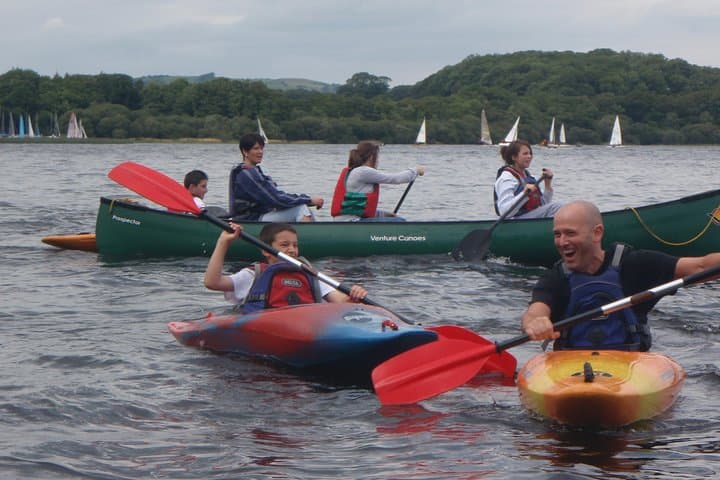
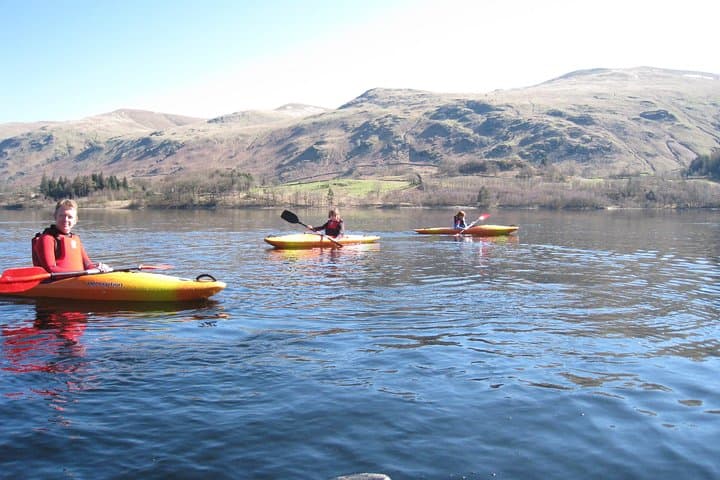
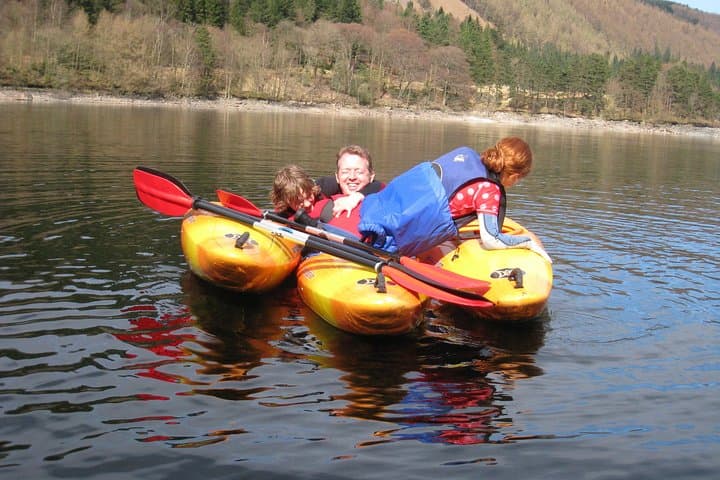
The morning fog lifts off Derwent Water and the lake sighs—smooth, cold, and tempting. You step into a kayak with a small group, feel the buoyancy aid snug, and push into water framed by steep fells and scattered islands. The guide sets the pace; today might mean a slow circuit past nesting waterfowl, a glide up a shallow inflowing river, or an impromptu jump from a jetty when the group agrees.
Verified experiences and guided adventures in the surrounding area.
Operated by MobileAdventure · Keswick, Cumbria
The morning fog lifts off Derwent Water and the lake sighs—smooth, cold, and tempting. You step into a kayak with a small group, feel the buoyancy aid snug, and push into water framed by steep fells and scattered islands. The guide sets the pace; today might mean a slow circuit past nesting waterfowl, a glide up a shallow inflowing river, or an impromptu jump from a jetty when the group agrees.
Derwent Water sits in the Borrowdale valley, carved by glacial ice and hemmed by volcanic and sedimentary rock that give the surrounding peaks their jagged profiles. The lake and nearby Keswick entered popular consciousness during the Romantic era—artists and writers used the scenery as a subject and a reason to visit. Local culture is overtly outdoors: pubs, gear shops, and galleries cater to walkers, climbers, and paddlers.
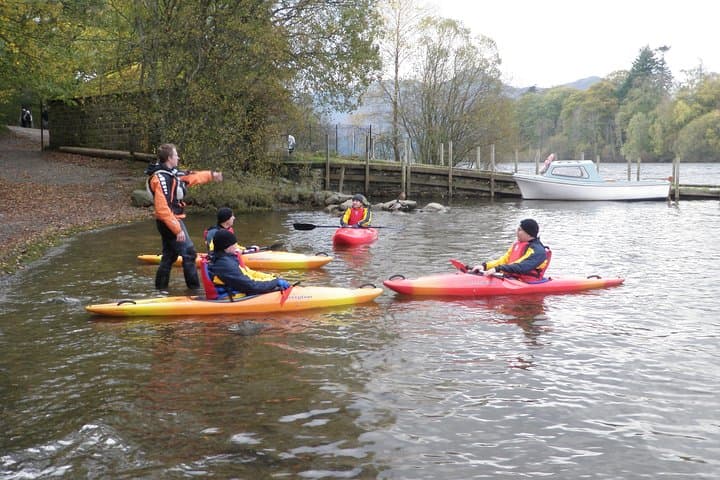
Expect waterfowl calls, the slap of paddle blades, and frequent stops for instruction. Groups are small (up to five), sessions run roughly three hours, and wetsuits and paddling kit are provided if needed. Guides will coach basic strokes, safety and shallow-water navigation; heavier or taller paddlers are advised that canoeing may be more stable. Weather shifts quickly—wind can make crossings choppy, while low light sharpens the lake’s colors.
Practical points: arrive with a dry change of clothes, wear a warm base layer under provided kit, and leave valuables in Keswick. The experience is accessible for moderately fit visitors who can manage short swims or wet exits if necessary.
moderate.
2–3 hours.
Moderate fitness—comfortable with continuous paddling for short intervals and able to transfer in/out of a kayak.
No—sessions are run at the group’s pace and guides teach strokes and safety; moderate fitness is expected.
If you weigh more than ~80 kg (13 stone) or are taller than ~1.82 m (6 ft), canoeing is recommended for greater stability—consult the operator when booking.
Yes—paddling equipment and wetsuits are supplied if required; bring a dry change of clothes for afterward.
Yes—operators may cancel in poor or unsafe weather; their policy notes all sales final but activities will be called off if conditions are unsafe.
Derwent Water and Keswick became a focus of the Romantic movement; 18th–19th century painters and writers popularized the Borrowdale landscape.
Parts of the shoreline are managed by the National Trust—respect nesting birds, avoid landing in sensitive zones, and follow Leave No Trace principles to protect shoreline vegetation.
MobileAdventure operates guided outdoor trips and adventures with an emphasis on safety, stewardship, and memorable experiences.
The morning fog lifts off Derwent Water and the lake sighs—smooth, cold, and tempting. You step into a kayak with a small group, feel the buoyancy aid snug, and push into water framed by steep fells and scattered islands. The guide sets the pace; today might mean a slow circuit past nesting waterfowl, a glide up a shallow inflowing river, or an impromptu jump from a jetty when the group agrees.
The morning fog lifts off Derwent Water and the lake sighs—smooth, cold, and tempting. You step into a kayak with a small group, feel the buoyancy aid snug, and push into water framed by steep fells and scattered islands. The guide sets the pace; today might mean a slow circuit past nesting waterfowl, a glide up a shallow inflowing river, or an impromptu jump from a jetty when the group agrees.
Derwent Water sits in the Borrowdale valley, carved by glacial ice and hemmed by volcanic and sedimentary rock that give the surrounding peaks their jagged profiles. The lake and nearby Keswick entered popular consciousness during the Romantic era—artists and writers used the scenery as a subject and a reason to visit. Local culture is overtly outdoors: pubs, gear shops, and galleries cater to walkers, climbers, and paddlers.
Expect waterfowl calls, the slap of paddle blades, and frequent stops for instruction. Groups are small (up to five), sessions run roughly three hours, and wetsuits and paddling kit are provided if needed. Guides will coach basic strokes, safety and shallow-water navigation; heavier or taller paddlers are advised that canoeing may be more stable. Weather shifts quickly—wind can make crossings choppy, while low light sharpens the lake’s colors.
Practical points: arrive with a dry change of clothes, wear a warm base layer under provided kit, and leave valuables in Keswick. The experience is accessible for moderately fit visitors who can manage short swims or wet exits if necessary.