THE ADVENTURE COLLECTIVE® · Independent discovery and booking for outdoor travel

Cross Samaná Bay by ferry and paddle through Los Haitises’ mangroves, caves and hidden pools on a full-day eco-adventure from Las Terrenas. Expect sheltered flatwater kayaking, a guided jungle hike and a Dominican buffet at Parador Los Haitises.
Cross Samaná Bay by ferry and paddle through Los Haitises’ mangroves, caves and hidden pools on a full-day eco-adventure from Las Terrenas. Expect sheltered flatwater kayaking, a guided jungle hike and a Dominican buffet at Parador Los Haitises.
A low-slung ferry slips away from Las Terrenas, the town’s color-splashed roofs shrinking as Samaná Bay opens. Mangrove fingers close behind the boat; limestone islets, ragged and green, loom like islands with teeth. Guides unload kayaks onto glassy water and the group pushes forward—paddles whispering, birds tracking overhead, caves inviting careful investigation.
Verified experiences and guided adventures in the surrounding area.
Operated by The Whales Las Ballenas · Las Terrenas, Samaná
A low-slung ferry slips away from Las Terrenas, the town’s color-splashed roofs shrinking as Samaná Bay opens. Mangrove fingers close behind the boat; limestone islets, ragged and green, loom like islands with teeth. Guides unload kayaks onto glassy water and the group pushes forward—paddles whispering, birds tracking overhead, caves inviting careful investigation.
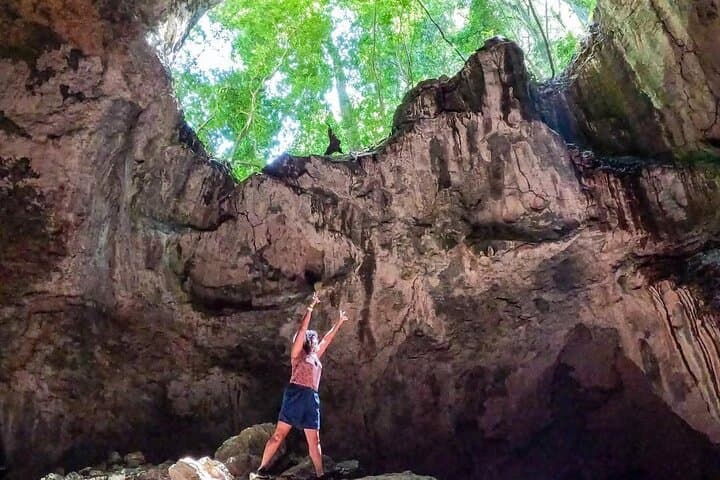
Los Haitises National Park is a karst foundry: weathered limestone forming mogotes, flooded sinkholes and coastal caves that hold Taino petroglyphs and archaeological traces. The park has long been both refuge and resource—first for indigenous communities, later for small-scale fishers and, briefly, for sailors avoiding open sea. Culture here is hands-on Dominican: a buffet at Parador Los Haitises highlights rice, beans, fresh fish and plantains served with a view of mangrove channels.
Expect sheltered paddling through narrow mangrove tunnels and short jungle hikes to viewpoints where the bay unfurls below. Terrain alternates between flat coastal water, low rock entry points and uneven, often muddy forest trails. Natural river pools at Paraíso Caño Hondo offer calm water to cool off after hiking.
Practicalities: trips run as full-day excursions from Las Terrenas; bring reef-safe sunscreen, water shoes and a dry bag for electronics. Morning departures usually offer calmer water and softer light for caves and mangrove channels. Guides handle logistics and kayak basics, but being comfortable getting in and out of a sit-on-top or tandem kayak and walking short jungle sections makes the day more enjoyable.
moderate.
12 hours.
Moderate fitness—able to paddle for intermittent stretches, climb in/out of kayaks, and walk uneven jungle trails
Transfers from hotels in Las Terrenas are typically included—confirm your pickup point when booking.
No advanced experience is required; guides provide instruction and most paddling is on sheltered water, though basic balance and paddle handling help.
Yes—Paraíso Caño Hondo is a calm freshwater pool on the itinerary, but follow guide instructions about water depth and footing.
Families are welcome and the tour is often suitable for older children; check age restrictions and flotation options with the operator when booking.
Los Haitises contains coastal caves with Taíno petroglyphs and served historically as a refuge and resource area for indigenous peoples and later small communities.
Mangrove roots and karst caves are fragile—stick to guided channels, avoid non-reef-safe sunscreens, and pack out all trash to reduce impact.
The Whales Las Ballenas operates guided outdoor trips and adventures with an emphasis on safety, stewardship, and memorable experiences.

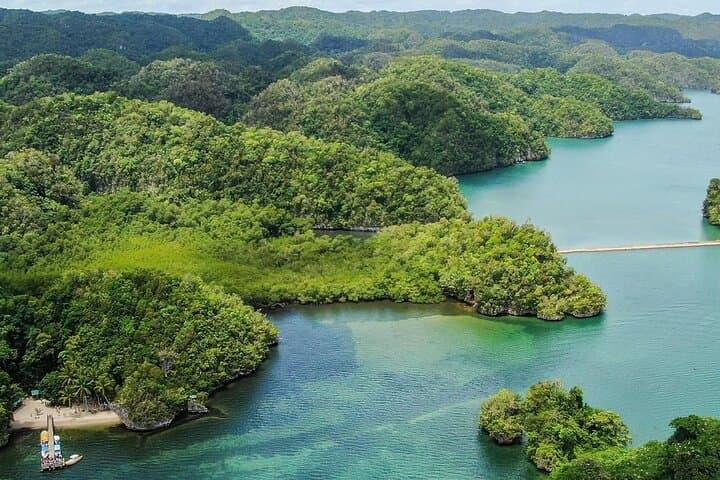

A low-slung ferry slips away from Las Terrenas, the town’s color-splashed roofs shrinking as Samaná Bay opens. Mangrove fingers close behind the boat; limestone islets, ragged and green, loom like islands with teeth. Guides unload kayaks onto glassy water and the group pushes forward—paddles whispering, birds tracking overhead, caves inviting careful investigation.
A low-slung ferry slips away from Las Terrenas, the town’s color-splashed roofs shrinking as Samaná Bay opens. Mangrove fingers close behind the boat; limestone islets, ragged and green, loom like islands with teeth. Guides unload kayaks onto glassy water and the group pushes forward—paddles whispering, birds tracking overhead, caves inviting careful investigation.
Los Haitises National Park is a karst foundry: weathered limestone forming mogotes, flooded sinkholes and coastal caves that hold Taino petroglyphs and archaeological traces. The park has long been both refuge and resource—first for indigenous communities, later for small-scale fishers and, briefly, for sailors avoiding open sea. Culture here is hands-on Dominican: a buffet at Parador Los Haitises highlights rice, beans, fresh fish and plantains served with a view of mangrove channels.
Expect sheltered paddling through narrow mangrove tunnels and short jungle hikes to viewpoints where the bay unfurls below. Terrain alternates between flat coastal water, low rock entry points and uneven, often muddy forest trails. Natural river pools at Paraíso Caño Hondo offer calm water to cool off after hiking.
Practicalities: trips run as full-day excursions from Las Terrenas; bring reef-safe sunscreen, water shoes and a dry bag for electronics. Morning departures usually offer calmer water and softer light for caves and mangrove channels. Guides handle logistics and kayak basics, but being comfortable getting in and out of a sit-on-top or tandem kayak and walking short jungle sections makes the day more enjoyable.