THE ADVENTURE COLLECTIVE® · Independent discovery and booking for outdoor travel

Paddle between sculpted icebergs at Fjallsárlón, where Vatnajökull’s outlet glacier meets still water and volcanic ash threads the ice. This 90‑minute guided tour delivers intimate photo opportunities, hands‑on instruction and drysuits for all participants.
Paddle between sculpted icebergs at Fjallsárlón, where Vatnajökull’s outlet glacier meets still water and volcanic ash threads the ice. This 90‑minute guided tour delivers intimate photo opportunities, hands‑on instruction and drysuits for all participants.
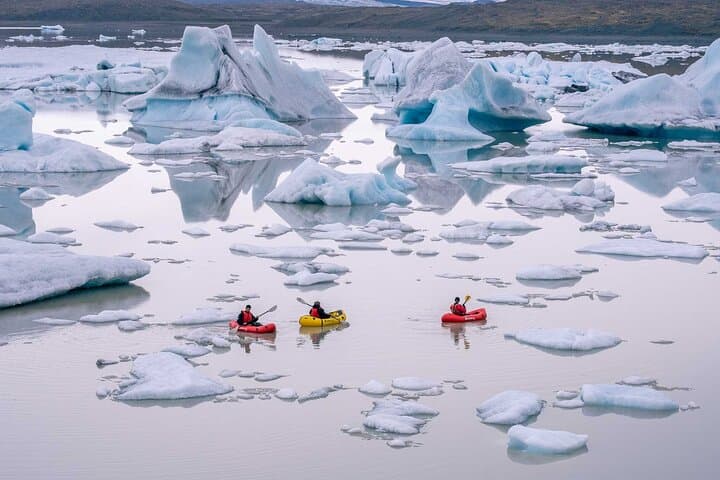
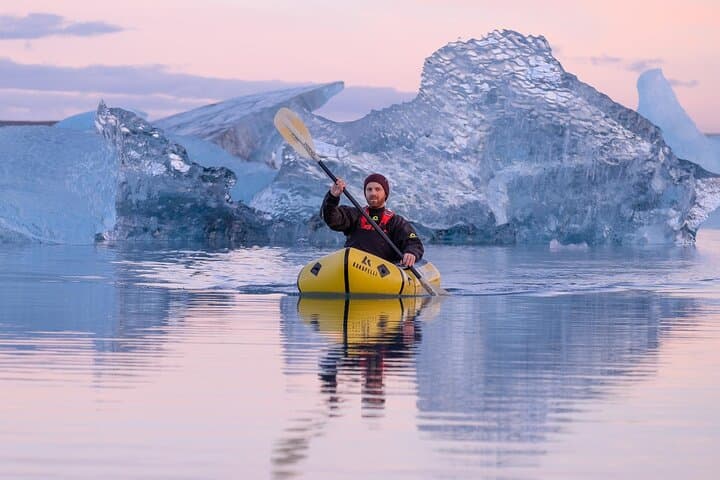
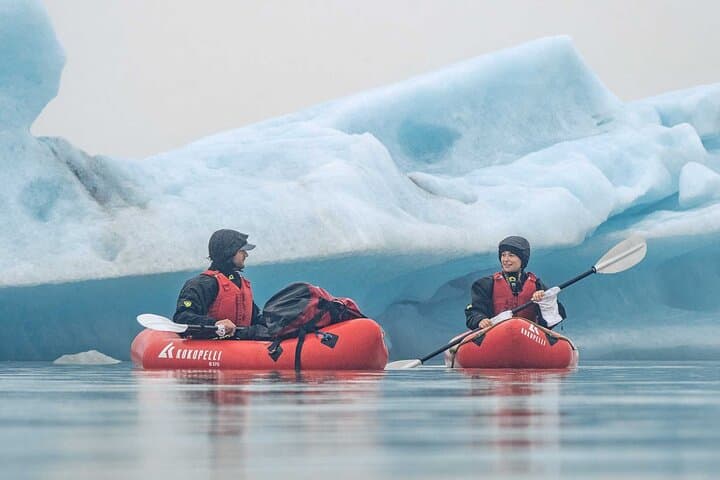
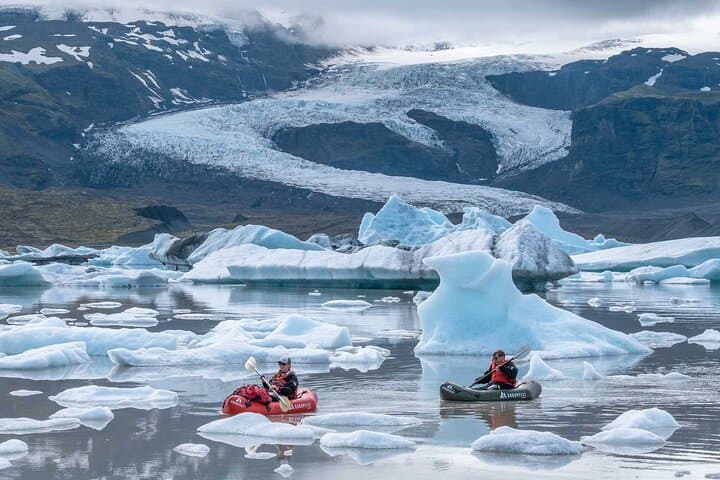
The first paddle stroke dislodges a quiet that feels older than you are—ice that fell from the glacier's lip weeks ago murmurs against your hull. Around you, blue-white bergs drift like misplaced sculptures; each one has been shaped by freezing, melting and the rumble of Vatnajökull above. Guides slip between chunks of ice and point out the pale, layered faces where volcanic ash has darkened the glacier. The lagoon breathes slowly, tides nudging icebergs toward the sea and daring you to follow.
Verified experiences and guided adventures in the surrounding area.
Operated by Glacier and Volcano Expeditions · Skaftafell, Southern Region
The first paddle stroke dislodges a quiet that feels older than you are—ice that fell from the glacier's lip weeks ago murmurs against your hull. Around you, blue-white bergs drift like misplaced sculptures; each one has been shaped by freezing, melting and the rumble of Vatnajökull above. Guides slip between chunks of ice and point out the pale, layered faces where volcanic ash has darkened the glacier. The lagoon breathes slowly, tides nudging icebergs toward the sea and daring you to follow.
Fjallsárlón sits at the edge of Vatnajökull National Park, fed by the glacier tongue of Fjallsjökull, an outlet of Europe’s largest ice cap. The lagoon's character reflects both glacier and subglacial volcanic activity—the ice here can be peppered with black ash from occasional eruptions of the Öræfajökull massif, giving pieces a striated, sculptural look. Human presence in this landscape is recent in geologic terms; farmers once grazed the lowlands below the ice, and today small operators run low-impact tours that bring visitors close without crowding the fragile edge.
On the water, the experience is immediate: wind on your cheeks, the click of ice, the guide’s calm voice setting route and safety. Group sizes are small—max six—so instruction is hands-on and the guide can steer you into prime photo spots. The paddling itself is straightforward but dynamic: expect short bursts of steering to skirt bergs, a roughly 1–2 kilometer circuit inside the lagoon, and close-up views of calving scars and meltwater channels.
Practicalities matter. The tour is 90 minutes door-to-door on the water and requires a moderate level of fitness—participants should be comfortable entering and exiting kayaks and able to re-enter if tipped. Organizers supply drysuits, lifejackets and paddles; you bring warm base layers, waterproof socks, and a camera in a protective case. The meeting point is down a gravel road off Iceland’s Ring Road—look for a white equipment van where guides kit you up.
Timing and weather shape the day: flat light softens contrasts and is forgiving for lenses; low sun gilds the bergs but brings glare. Operators will cancel in poor weather or if conditions are unsafe—book with a flexible window and allow time for delays. Respect the ice: don’t climb on bergs, keep distance from the glacier face, and follow the guide's instructions. When you paddle away at the end, you’ll have felt the weight of an active landscape—raw, changeable and quietly insistive—and you’ll carry home images that look like they were carved from another planet.
moderate.
1.5 hours (90 minutes).
Moderate fitness: comfortable paddling, able to get in/out of a kayak and perform a re‑entry if necessary
Participants must be at least 10 years old; guides assess children’s comfort and ability to follow safety instructions.
Yes—organizers supply drysuits, lifejackets and paddles; you should bring insulating layers to wear underneath.
The paddle is short (about 1–2 km on the water) but requires basic paddling stamina and the ability to enter/exit kayaks from shore.
The operator may cancel for safety—full refunds are available if canceled at least 24 hours in advance or if conditions are unsafe.
Yes—bring them in a waterproof case or dry bag and tether them; guides will direct you to stable photo positions.
Guides navigate to safe viewing distances—close enough for detail but far enough to avoid hazards from calving ice and unstable bergs.
The lagoon formed as the glacier retreated and filled a moraine basin; nearby Öræfajökull's eruptions have left ash layers visible in the ice.
This is a dynamic, fragile glacial edge—stick to guide routes, avoid stepping on icebergs, pack out all waste and support operators who follow low‑impact practices.
Glacier and Volcano Expeditions operates guided outdoor trips and adventures with an emphasis on safety, stewardship, and memorable experiences.
The first paddle stroke dislodges a quiet that feels older than you are—ice that fell from the glacier's lip weeks ago murmurs against your hull. Around you, blue-white bergs drift like misplaced sculptures; each one has been shaped by freezing, melting and the rumble of Vatnajökull above. Guides slip between chunks of ice and point out the pale, layered faces where volcanic ash has darkened the glacier. The lagoon breathes slowly, tides nudging icebergs toward the sea and daring you to follow.
The first paddle stroke dislodges a quiet that feels older than you are—ice that fell from the glacier's lip weeks ago murmurs against your hull. Around you, blue-white bergs drift like misplaced sculptures; each one has been shaped by freezing, melting and the rumble of Vatnajökull above. Guides slip between chunks of ice and point out the pale, layered faces where volcanic ash has darkened the glacier. The lagoon breathes slowly, tides nudging icebergs toward the sea and daring you to follow.
Fjallsárlón sits at the edge of Vatnajökull National Park, fed by the glacier tongue of Fjallsjökull, an outlet of Europe’s largest ice cap. The lagoon's character reflects both glacier and subglacial volcanic activity—the ice here can be peppered with black ash from occasional eruptions of the Öræfajökull massif, giving pieces a striated, sculptural look. Human presence in this landscape is recent in geologic terms; farmers once grazed the lowlands below the ice, and today small operators run low-impact tours that bring visitors close without crowding the fragile edge.
On the water, the experience is immediate: wind on your cheeks, the click of ice, the guide’s calm voice setting route and safety. Group sizes are small—max six—so instruction is hands-on and the guide can steer you into prime photo spots. The paddling itself is straightforward but dynamic: expect short bursts of steering to skirt bergs, a roughly 1–2 kilometer circuit inside the lagoon, and close-up views of calving scars and meltwater channels.
Practicalities matter. The tour is 90 minutes door-to-door on the water and requires a moderate level of fitness—participants should be comfortable entering and exiting kayaks and able to re-enter if tipped. Organizers supply drysuits, lifejackets and paddles; you bring warm base layers, waterproof socks, and a camera in a protective case. The meeting point is down a gravel road off Iceland’s Ring Road—look for a white equipment van where guides kit you up.
Timing and weather shape the day: flat light softens contrasts and is forgiving for lenses; low sun gilds the bergs but brings glare. Operators will cancel in poor weather or if conditions are unsafe—book with a flexible window and allow time for delays. Respect the ice: don’t climb on bergs, keep distance from the glacier face, and follow the guide's instructions. When you paddle away at the end, you’ll have felt the weight of an active landscape—raw, changeable and quietly insistive—and you’ll carry home images that look like they were carved from another planet.