THE ADVENTURE COLLECTIVE® · Independent discovery and booking for outdoor travel

Paddle from the port of Playa de Aro along the Camino de Ronda toward S'Agaró, exploring coves and snorkeling in clear Mediterranean water. This two-hour guided trip balances gentle paddling with a chance to swim and inspect the seabed.
Paddle from the port of Playa de Aro along the Camino de Ronda toward S'Agaró, exploring coves and snorkeling in clear Mediterranean water. This two-hour guided trip balances gentle paddling with a chance to swim and inspect the seabed.
You push off from the small harbor at Playa de Aro and the town slips astern: low concrete piers, fishing boats bobbing, and the open Mediterranean stretching toward S'Agaró. Limestone cliffs rise in scraps of ochre and grey; the sea pulls and stirs like a living map, nudging you into narrow coves only reachable by kayak. A guide gives a compact safety briefing and basic stroke work, then you head along the Camino de Ronda, threading between rocks as gulls argue with the wind.
Verified experiences and guided adventures in the surrounding area.
Operated by SET SAIL COSTA BRAVA · Platja d'Aro, Girona
You push off from the small harbor at Playa de Aro and the town slips astern: low concrete piers, fishing boats bobbing, and the open Mediterranean stretching toward S'Agaró. Limestone cliffs rise in scraps of ochre and grey; the sea pulls and stirs like a living map, nudging you into narrow coves only reachable by kayak. A guide gives a compact safety briefing and basic stroke work, then you head along the Camino de Ronda, threading between rocks as gulls argue with the wind.
The Costa Brava's coastline is the product of resistant limestones and long coastal erosion — cliffs, small beaches and secret inlets carved over millennia. The coastal path itself was formalized in the 19th–20th centuries for patrols and later became a recreational route; S'Agaró bears early 20th-century modernist villas that speak to the area’s turn toward tourism. Cultural notes arrive in the small details: stone breakwaters, fishing nets drying on racks, and local names painted on buoys.
Practically: the two-hour excursion includes kayak, buoyancy aid, snorkel kit (you may bring your own), photos and accident insurance. Swimmers only — you should be comfortable in open water. Expect sheltered paddling with short bursts of effort between coves, and a snorkel stop to inspect Posidonia meadows and small rocky reefs. Morning launches are calmer with clearer water; afternoons can bring wind. Wear water shoes, sun protection, and a light wind layer. Respect marine habitats, avoid trampling seagrass, and follow your guide’s instructions for a straightforward, scenic paddle along one of the Costa Brava’s most accessible coastal stretches.
easy.
2 hours.
Light aerobic fitness; able to sit and paddle for short periods and perform basic self-rescue in water
Yes—participants must be able to swim and feel comfortable in open water; guides provide life jackets but not continuous physical support.
Kayak, buoyancy aid, snorkel equipment (unless you bring your own), photos of the trip and accident insurance are included.
Yes for children who can swim and follow instructions; operators typically accept family groups but verify age limits when booking.
The operator cancels if conditions are unsafe; their policy allows a full refund if cancelled at least 24 hours prior or by the company for bad weather.
The Camino de Ronda was developed for coastal surveillance and anti-smuggling patrols; S'Agaró later became a fashionable early-20th-century resort with notable seaside architecture.
The area hosts protected Posidonia seagrass beds—avoid anchoring or standing on seagrass and follow guide instructions to minimize impact.
SET SAIL COSTA BRAVA operates guided outdoor trips and adventures with an emphasis on safety, stewardship, and memorable experiences.
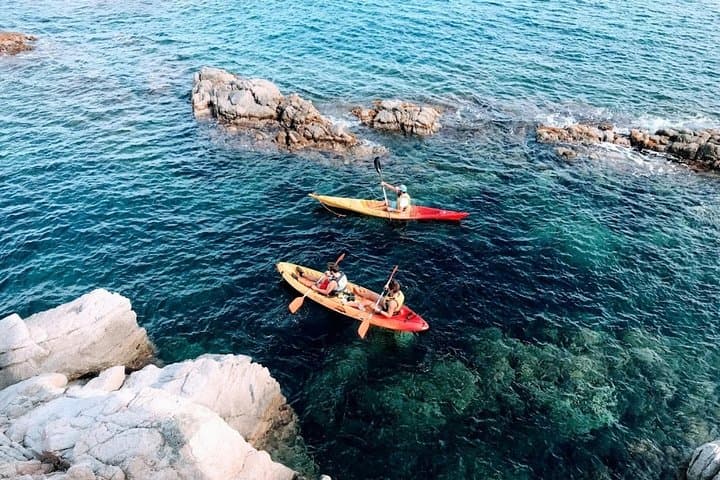
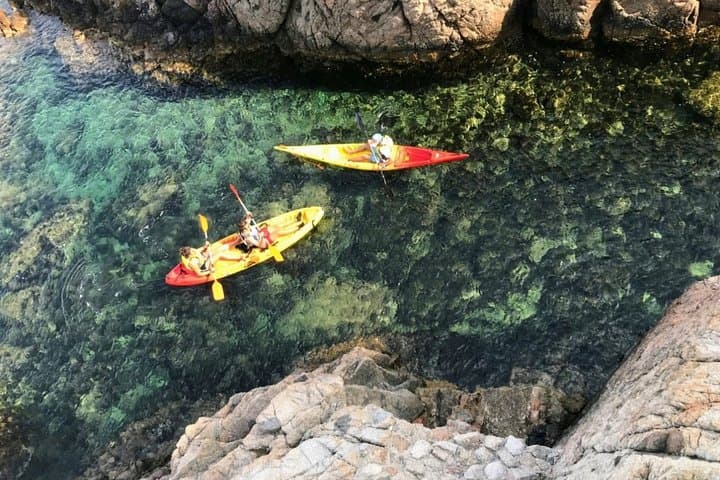
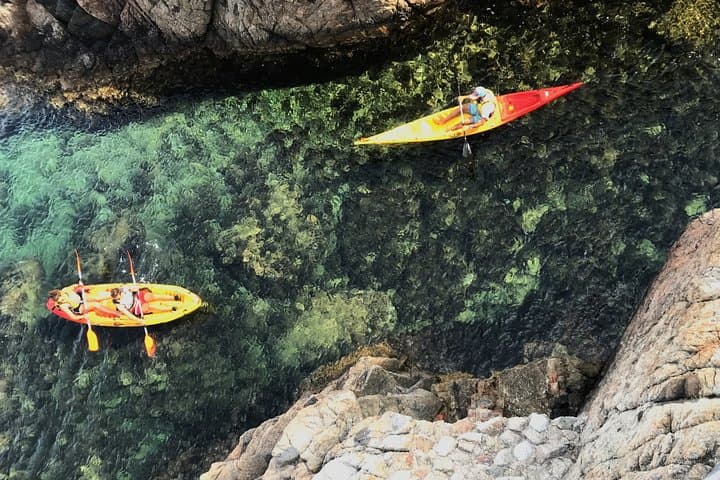
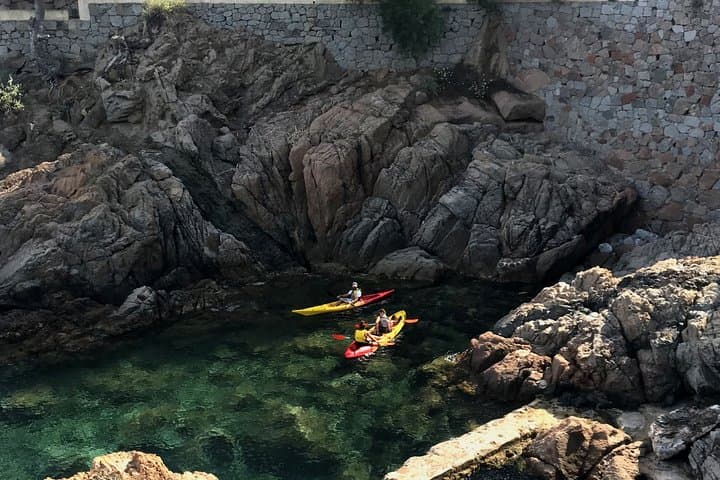
You push off from the small harbor at Playa de Aro and the town slips astern: low concrete piers, fishing boats bobbing, and the open Mediterranean stretching toward S'Agaró. Limestone cliffs rise in scraps of ochre and grey; the sea pulls and stirs like a living map, nudging you into narrow coves only reachable by kayak. A guide gives a compact safety briefing and basic stroke work, then you head along the Camino de Ronda, threading between rocks as gulls argue with the wind.
You push off from the small harbor at Playa de Aro and the town slips astern: low concrete piers, fishing boats bobbing, and the open Mediterranean stretching toward S'Agaró. Limestone cliffs rise in scraps of ochre and grey; the sea pulls and stirs like a living map, nudging you into narrow coves only reachable by kayak. A guide gives a compact safety briefing and basic stroke work, then you head along the Camino de Ronda, threading between rocks as gulls argue with the wind.
The Costa Brava's coastline is the product of resistant limestones and long coastal erosion — cliffs, small beaches and secret inlets carved over millennia. The coastal path itself was formalized in the 19th–20th centuries for patrols and later became a recreational route; S'Agaró bears early 20th-century modernist villas that speak to the area’s turn toward tourism. Cultural notes arrive in the small details: stone breakwaters, fishing nets drying on racks, and local names painted on buoys.
Practically: the two-hour excursion includes kayak, buoyancy aid, snorkel kit (you may bring your own), photos and accident insurance. Swimmers only — you should be comfortable in open water. Expect sheltered paddling with short bursts of effort between coves, and a snorkel stop to inspect Posidonia meadows and small rocky reefs. Morning launches are calmer with clearer water; afternoons can bring wind. Wear water shoes, sun protection, and a light wind layer. Respect marine habitats, avoid trampling seagrass, and follow your guide’s instructions for a straightforward, scenic paddle along one of the Costa Brava’s most accessible coastal stretches.