THE ADVENTURE COLLECTIVE® · Independent discovery and booking for outdoor travel

Spend three hours paddling the calmer channels of Miami Bay, guided through mangroves and seagrass meadows while watching for manatees, dolphins, and shorebirds. This easy, guided eco-kayak tour combines basic paddling instruction with wildlife viewing and conservation education.
Spend three hours paddling the calmer channels of Miami Bay, guided through mangroves and seagrass meadows while watching for manatees, dolphins, and shorebirds. This easy, guided eco-kayak tour combines basic paddling instruction with wildlife viewing and conservation education.
You push off from the park entrance, guides steady at your side, and the city hum gives way to gull calls and the whisper of mangrove roots. In a three-hour loop through Miami Bay’s sheltered channels you’ll learn paddle technique, how to sit and brace in a sit-on-top kayak, and the small etiquette that helps wildlife keep their distance.
Verified experiences and guided adventures in the surrounding area.
Operated by KayakCroes · Miami, Florida
You push off from the park entrance, guides steady at your side, and the city hum gives way to gull calls and the whisper of mangrove roots. In a three-hour loop through Miami Bay’s sheltered channels you’ll learn paddle technique, how to sit and brace in a sit-on-top kayak, and the small etiquette that helps wildlife keep their distance.
Biscayne Bay’s shallow limestone shelf was shaped by ancient sea-level changes; mangrove islands grew where currents dropped sediment and seagrass meadows took hold in the flats. The Tequesta people navigated these waters long before Miami grew along the shore, and the bay still carries that layered history in its navigation markers and small fishing keys.
Wildlife is the draw: manatees graze in seagrass, curious bottlenose dolphins arc by, and migratory and year-round birds use the islands for nesting and rest. Guides point out the difference between red and black mangroves, explain why seagrass matters, and emphasize low-impact viewing—photograph, don’t pursue.
Practically, expect flat water, tidal influence, and light chop if winds pick up. The tour covers roughly 4–6 miles of paddling at a relaxed pace; elevation gain is zero, but steadiness and basic core strength help. Wear quick-drying layers, bring sun protection and a refillable water bottle; life jackets and a safety briefing are provided. Launch and return at the same park entrance, so plan parking or pickup accordingly. If you want better wildlife odds, paddle early when winds are calm and animals are most active.
easy.
3 hours.
Suitable for beginners and most fitness levels; expect intermittent paddling and some core engagement for balance
No; the tour includes a safety briefing and basic paddle technique so beginners can participate comfortably.
Wildlife sightings are common but not guaranteed; guides maximize chances by choosing quiet channels and timing, but animals move freely.
Wear quick-drying clothes, a hat, sunscreen, and bring a refillable water bottle; life jackets are provided.
The activity is family-friendly but not recommended for pregnant travelers or those with serious back or heart conditions—check restrictions with the operator before booking.
Biscayne Bay was long used by the Tequesta and later by Cuban and Bahamian fishermen; many small keys served as temporary camps and fishing spots.
Seagrass beds and mangroves are critical for juvenile fish and manatees—stay in established channels, avoid dragging through seagrass, and follow guide instructions to minimize impact.
KayakCroes operates guided outdoor trips and adventures with an emphasis on safety, stewardship, and memorable experiences.
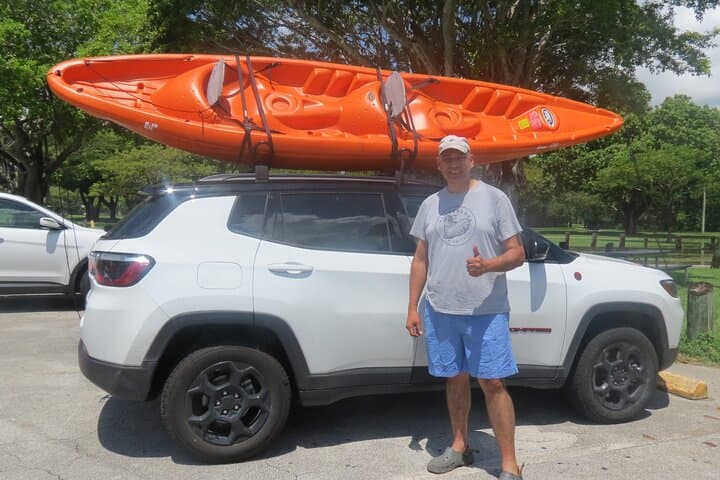
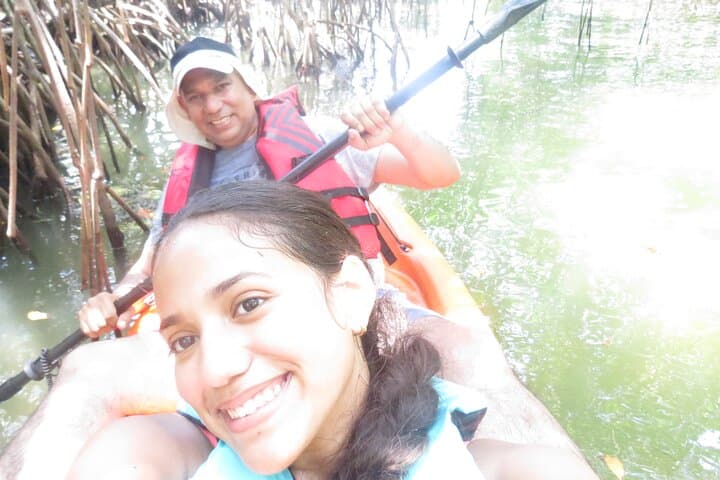
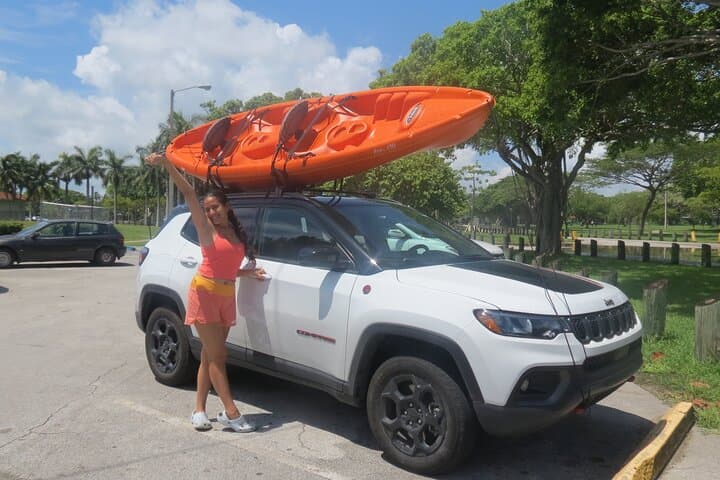
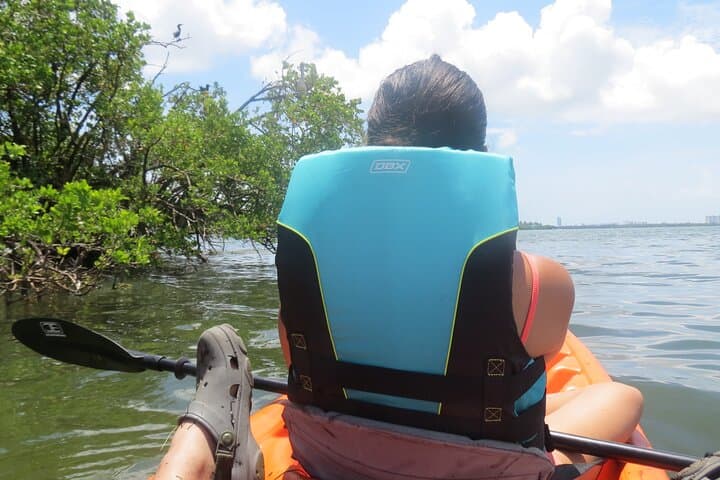
You push off from the park entrance, guides steady at your side, and the city hum gives way to gull calls and the whisper of mangrove roots. In a three-hour loop through Miami Bay’s sheltered channels you’ll learn paddle technique, how to sit and brace in a sit-on-top kayak, and the small etiquette that helps wildlife keep their distance.
You push off from the park entrance, guides steady at your side, and the city hum gives way to gull calls and the whisper of mangrove roots. In a three-hour loop through Miami Bay’s sheltered channels you’ll learn paddle technique, how to sit and brace in a sit-on-top kayak, and the small etiquette that helps wildlife keep their distance.
Biscayne Bay’s shallow limestone shelf was shaped by ancient sea-level changes; mangrove islands grew where currents dropped sediment and seagrass meadows took hold in the flats. The Tequesta people navigated these waters long before Miami grew along the shore, and the bay still carries that layered history in its navigation markers and small fishing keys.
Wildlife is the draw: manatees graze in seagrass, curious bottlenose dolphins arc by, and migratory and year-round birds use the islands for nesting and rest. Guides point out the difference between red and black mangroves, explain why seagrass matters, and emphasize low-impact viewing—photograph, don’t pursue.
Practically, expect flat water, tidal influence, and light chop if winds pick up. The tour covers roughly 4–6 miles of paddling at a relaxed pace; elevation gain is zero, but steadiness and basic core strength help. Wear quick-drying layers, bring sun protection and a refillable water bottle; life jackets and a safety briefing are provided. Launch and return at the same park entrance, so plan parking or pickup accordingly. If you want better wildlife odds, paddle early when winds are calm and animals are most active.