THE ADVENTURE COLLECTIVE® · Independent discovery and booking for outdoor travel

Paddle calm mangrove channels, visit a local temple and pepper garden, then relax at Rach Vem Beach on this accessible Phu Quoc day tour. Perfect for travelers who want light activity paired with cultural stops and fresh seafood.
Paddle calm mangrove channels, visit a local temple and pepper garden, then relax at Rach Vem Beach on this accessible Phu Quoc day tour. Perfect for travelers who want light activity paired with cultural stops and fresh seafood.
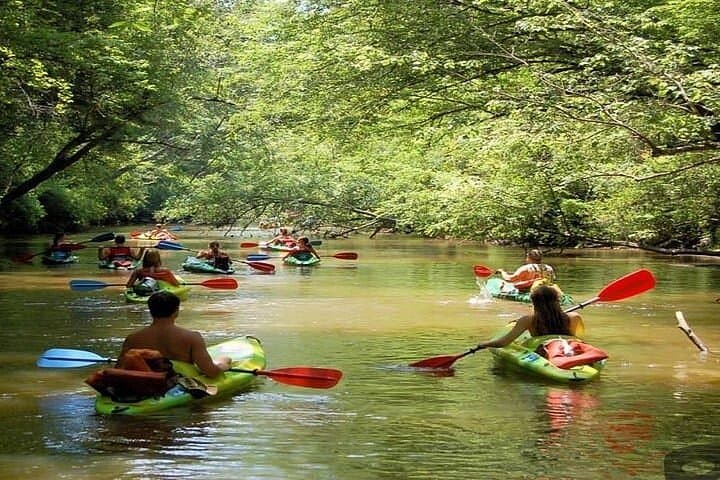
Morning light slides across the Cua Can river and the guide slips the kayak into quiet water; mangrove roots reach like slow hands into a current that wants to move you forward. On this shore-to-sea route, travelers move between human rhythms — a silk workshop's steady looms, a temple where Nguyen Trung Truc is honored — and the island’s coastal ecology.
Verified experiences and guided adventures in the surrounding area.
Operated by Before2 · Duong Dong, Kien Giang
Morning light slides across the Cua Can river and the guide slips the kayak into quiet water; mangrove roots reach like slow hands into a current that wants to move you forward. On this shore-to-sea route, travelers move between human rhythms — a silk workshop's steady looms, a temple where Nguyen Trung Truc is honored — and the island’s coastal ecology.
Geologically, Phu Quoc is a granite and sandstone island born of tectonic shifts and coastal deposition; the Cua Can watershed funnels clear, tannin-streaked water through mangroves into the sea. The temple at Cua Can commemorates a 19th-century anti-colonial leader, giving the stop a cultural weight that contrasts with the pepper plantation’s agricultural bustle and the small-scale fisheries at Rach Vem.
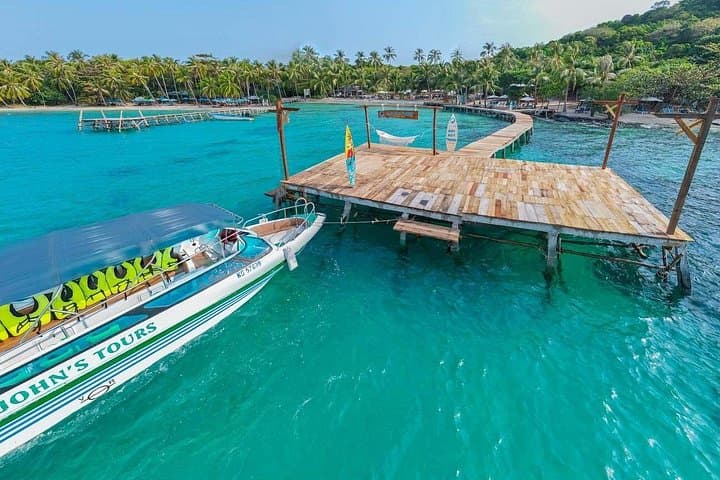
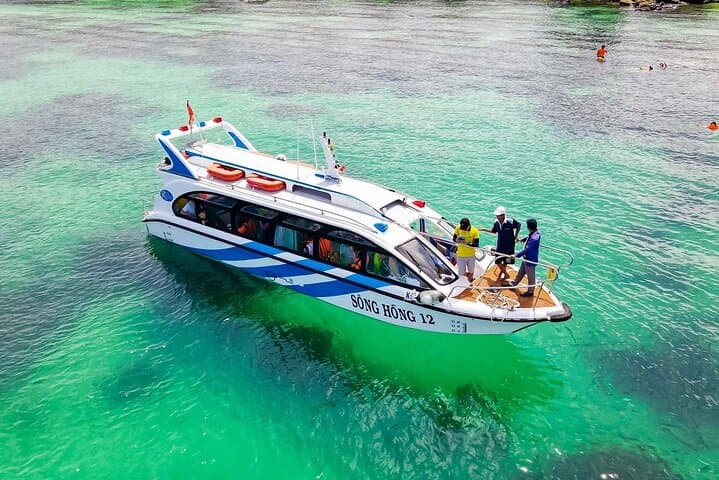
Expect about 6–7 hours out: a short museum-like stop at a silk center, roughly 90 minutes kayaking on sheltered river channels, a stroll through a pepper garden, and time at Rach Vem Beach with lunch and an optional boat to Ham Rong Cape.
Practicals: wear quick-drying clothes and reef shoes; bring sun protection, insect repellent, and cash for small boat trips or village purchases. The river’s water is calm, so paddling is accessible to beginners, but guides set the pace and safety briefings are standard. Tours run best in the dry season (roughly December–April); during monsoon months some segments can be canceled. Hydrate, secure electronics in a dry bag, and give local customs respect when visiting the temple—remove hats and speak quietly. The day mixes easy paddling, cultural stops, and relaxed beach time, ideal for travelers who want an active but low-stress island introduction.
easy.
6–7 hours.
Suitable for most travelers with basic mobility; low-impact paddling and short walks.
Yes — the Cua Can river is sheltered and calm; guides provide a safety briefing and pair less confident paddlers with experienced partners.
Round-trip shuttle from Tran Hung Dao street, admissions listed in the itinerary, an English-speaking guide, and lunch are included; optional local boat rides are extra.
Yes — the operator can handle vegetarian, vegan, and gluten-free requests if noted at booking.
The operator may cancel parts of the tour for safety; the booking states all sales are final but they reserve the right to cancel in poor conditions.
Nguyen Trung Truc is a celebrated 19th-century Vietnamese resistance leader; the local temple honors his role and is an important cultural stop on the route.
Phu Quoc’s coastal habitats are sensitive — avoid stepping on seagrass or coral, minimize plastic waste, and support vendors who follow sustainable fishing and farming practices.
Before2 operates guided outdoor trips and adventures with an emphasis on safety, stewardship, and memorable experiences.
Morning light slides across the Cua Can river and the guide slips the kayak into quiet water; mangrove roots reach like slow hands into a current that wants to move you forward. On this shore-to-sea route, travelers move between human rhythms — a silk workshop's steady looms, a temple where Nguyen Trung Truc is honored — and the island’s coastal ecology.
Morning light slides across the Cua Can river and the guide slips the kayak into quiet water; mangrove roots reach like slow hands into a current that wants to move you forward. On this shore-to-sea route, travelers move between human rhythms — a silk workshop's steady looms, a temple where Nguyen Trung Truc is honored — and the island’s coastal ecology.
Geologically, Phu Quoc is a granite and sandstone island born of tectonic shifts and coastal deposition; the Cua Can watershed funnels clear, tannin-streaked water through mangroves into the sea. The temple at Cua Can commemorates a 19th-century anti-colonial leader, giving the stop a cultural weight that contrasts with the pepper plantation’s agricultural bustle and the small-scale fisheries at Rach Vem.
Expect about 6–7 hours out: a short museum-like stop at a silk center, roughly 90 minutes kayaking on sheltered river channels, a stroll through a pepper garden, and time at Rach Vem Beach with lunch and an optional boat to Ham Rong Cape.
Practicals: wear quick-drying clothes and reef shoes; bring sun protection, insect repellent, and cash for small boat trips or village purchases. The river’s water is calm, so paddling is accessible to beginners, but guides set the pace and safety briefings are standard. Tours run best in the dry season (roughly December–April); during monsoon months some segments can be canceled. Hydrate, secure electronics in a dry bag, and give local customs respect when visiting the temple—remove hats and speak quietly. The day mixes easy paddling, cultural stops, and relaxed beach time, ideal for travelers who want an active but low-stress island introduction.