THE ADVENTURE COLLECTIVE® · Independent discovery and booking for outdoor travel

Paddle clear Mediterranean water past limestone cliffs, caves and tiny coves on a guided 2–3 hour route from Cala Granadella. This accessible excursion blends short swims, coastal history, and calm paddling—ideal for beginners and experienced kayakers looking for a scenic half-day outing.
Paddle clear Mediterranean water past limestone cliffs, caves and tiny coves on a guided 2–3 hour route from Cala Granadella. This accessible excursion blends short swims, coastal history, and calm paddling—ideal for beginners and experienced kayakers looking for a scenic half-day outing.
The sun slides up over the Mediterranean and the limestone cliffs of Cala Granadella catch it first—bronze faces and jagged ledges that dare you offshore. You launch from the pebble beach into water so clear it seems to lift the kayak beneath you; the guide calls cadence, waves murmur, and the coastline opens into a string of coves and small caves.
Verified experiences and guided adventures in the surrounding area.
Operated by Alicante Aventura · Xàbia (Jávea), Alicante
The sun slides up over the Mediterranean and the limestone cliffs of Cala Granadella catch it first—bronze faces and jagged ledges that dare you offshore. You launch from the pebble beach into water so clear it seems to lift the kayak beneath you; the guide calls cadence, waves murmur, and the coastline opens into a string of coves and small caves.
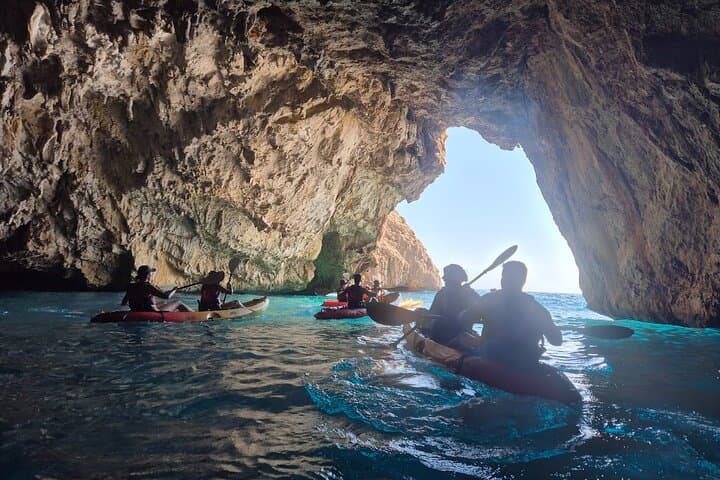
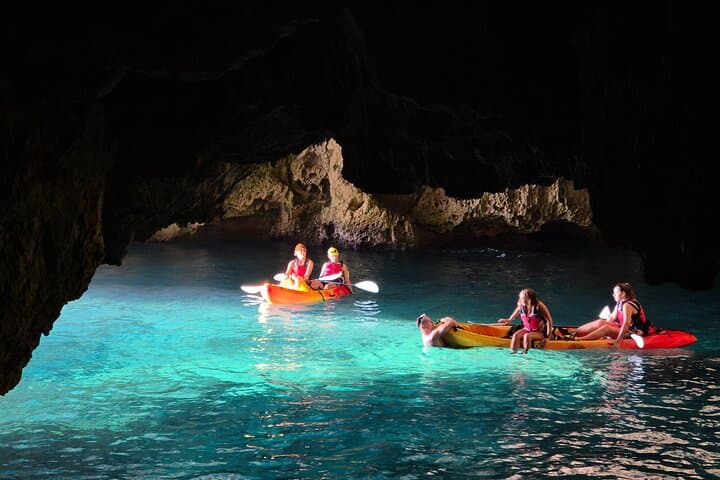
Geology here is coastal limestone carved by wind and sea, cliffs pierced with narrow tunnels like the Llop Marí Cave where fishermen once shared shelter with sea lions. The cove’s small scale created a long local history of fishing hamlets and watch towers—Punta del Ambolo’s tower still marks the headland. Culture is salt-scented and practical: visitors arrive by narrow roads, parking is limited, and locals favor early mornings to avoid crowds.
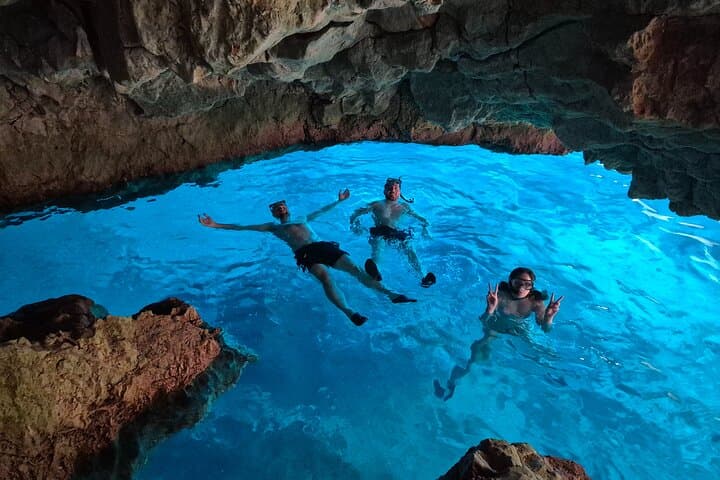
On a typical 2–3 hour guided route you’ll paddle 4–6 km depending on stops, passing Morro de Pino, a calm pause at Cala En Caló, the shadowed Llop Marí tunnels, and a detour to the Isla del Descubridor and Punta del Ambolo before returning. Expect gentle currents and sheltered stretches; winds can pick up in the afternoon. Guides provide double self-bailing kayaks, life vests, paddles, snorkel kit, and a watertight container. Practicalities: arrive 30–40 minutes early to kit up, budget for the €9/day car park or use the tourist train, and dress for sun, splash, and changeable sea breezes.
Bring water, reef-safe sunscreen, and shoes that grip wet rock. Keep a respectful distance from marine life and avoid touching formations in caves—these are fragile coastal systems that respond to every visitor.
easy.
2–3 hours.
Suitable for people in light to moderate physical shape; you should be comfortable sitting and paddling for up to 2–3 hours and able to swim.
No—this guided route is suitable for beginners; instructors provide a short paddling briefing and basic technique tips before setting off.
The tour includes the guided route, double self‑bailing kayak with backrest, paddle, life vest, snorkel mask and tube, a watertight container for personal items, photos, and insurance for accidents and liability.
Cala Granadella has a paid car park (€9/day) with limited spaces; when full access is closed. There’s a tourist train from La Guardia Park (~€5 round trip) or plan a 25–30 minute walk from overflow areas to avoid fines.
Cancel at least 24 hours before departure for a full refund. The shared tour caps at 16 participants and may be canceled for bad weather or low bookings.
Local fishermen once used sea caves such as Llop Marí for shelter; the names and towers along the headlands reflect centuries of coastal navigation and small fishing communities.
Parts of the coastline are sensitive marine habitats; stick to marked landing spots, avoid taking shells, and use biodegradable sunscreen to minimize impact.
Alicante Aventura operates guided outdoor trips and adventures with an emphasis on safety, stewardship, and memorable experiences.
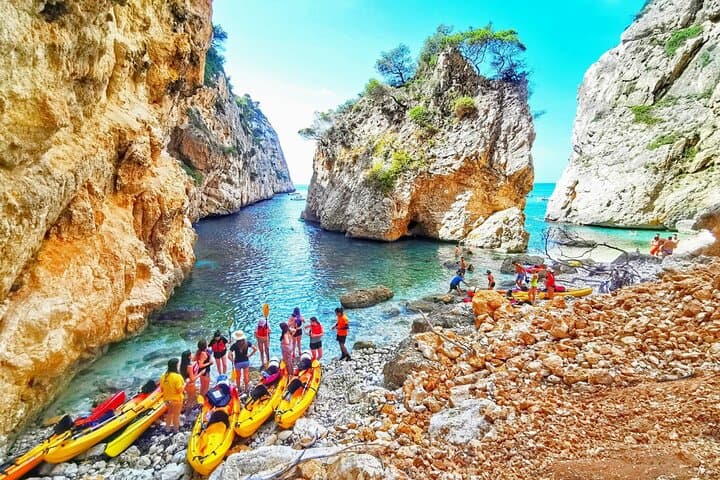
The sun slides up over the Mediterranean and the limestone cliffs of Cala Granadella catch it first—bronze faces and jagged ledges that dare you offshore. You launch from the pebble beach into water so clear it seems to lift the kayak beneath you; the guide calls cadence, waves murmur, and the coastline opens into a string of coves and small caves.
The sun slides up over the Mediterranean and the limestone cliffs of Cala Granadella catch it first—bronze faces and jagged ledges that dare you offshore. You launch from the pebble beach into water so clear it seems to lift the kayak beneath you; the guide calls cadence, waves murmur, and the coastline opens into a string of coves and small caves.
Geology here is coastal limestone carved by wind and sea, cliffs pierced with narrow tunnels like the Llop Marí Cave where fishermen once shared shelter with sea lions. The cove’s small scale created a long local history of fishing hamlets and watch towers—Punta del Ambolo’s tower still marks the headland. Culture is salt-scented and practical: visitors arrive by narrow roads, parking is limited, and locals favor early mornings to avoid crowds.
On a typical 2–3 hour guided route you’ll paddle 4–6 km depending on stops, passing Morro de Pino, a calm pause at Cala En Caló, the shadowed Llop Marí tunnels, and a detour to the Isla del Descubridor and Punta del Ambolo before returning. Expect gentle currents and sheltered stretches; winds can pick up in the afternoon. Guides provide double self-bailing kayaks, life vests, paddles, snorkel kit, and a watertight container. Practicalities: arrive 30–40 minutes early to kit up, budget for the €9/day car park or use the tourist train, and dress for sun, splash, and changeable sea breezes.
Bring water, reef-safe sunscreen, and shoes that grip wet rock. Keep a respectful distance from marine life and avoid touching formations in caves—these are fragile coastal systems that respond to every visitor.