THE ADVENTURE COLLECTIVE® · Independent discovery and booking for outdoor travel

Paddle across the world’s highest navigable lake to visit the Uros floating islands and meet the reed-building communities that call them home. This 4-hour morning excursion from Puno combines easy paddling with cultural insight and wildlife viewing.
Paddle across the world’s highest navigable lake to visit the Uros floating islands and meet the reed-building communities that call them home. This 4-hour morning excursion from Puno combines easy paddling with cultural insight and wildlife viewing.
You push off in the cool, thin air of the Altiplano and the lake answers with a flat, luminous surface that seems to push back gently against your blade. Morning wind is a patient guest here; the totora reeds whisper as you glide past mats of yellow-green that frame the Uros islands. Close-up, the islands look almost alive—layers of reed fiber piled, trimmed and lashed by hands that have kept this craft for generations.
Verified experiences and guided adventures in the surrounding area.
Operated by Machupicchu Holiday · Puno, Puno
You push off in the cool, thin air of the Altiplano and the lake answers with a flat, luminous surface that seems to push back gently against your blade. Morning wind is a patient guest here; the totora reeds whisper as you glide past mats of yellow-green that frame the Uros islands. Close-up, the islands look almost alive—layers of reed fiber piled, trimmed and lashed by hands that have kept this craft for generations.
Lake Titicaca sits at roughly 3,812 meters (12,507 ft), the highest large navigable lake on Earth. Its basin is the product of tectonic uplift and glacial sculpting, and its islands—both natural and man-made—trace cultural responses to that landscape. The Uros people build floating platforms from bundled totora reed, a practice predating the Inca; reed-craft and reed-boat building remain practical skills and local livelihoods.
Expect short paddling legs: the guide covers basic strokes and safety before a roughly one-hour crossing to the archipelago, a guided visit with an island family, then a return to Puno. Wildlife centers on shorebirds and the endemic Titicaca grebe; watch quietly. Practicalities matter here—altitude, sun and sudden winds are the variables to manage. Layer for cool mornings and brisk afternoons, drink water steadily, and secure footwear for slippery docks.
This is an accessible, culturally rich paddle rather than a technical expedition. It rewards steady strokes, curiosity about traditional lifeways, and respect for a fragile reed-built environment. Morning departures are calmer; mid-day can bring wind. Bring a camera, but leave plastic waste onshore.
easy.
4 hours.
Suitable for most people with basic fitness; ability to sit and paddle for 1–2 hours required.
The tour is rated easy; instructors cover basic strokes and most crossings are sheltered. You should be able to paddle for up to two hours total with short breaks.
Yes—Titicaca is high. Rest for 24 hours in Puno before the tour, hydrate, avoid alcohol the day before, and tell guides if you feel unwell.
Facilities are basic; some islands have simple composting toilets or guided arrangements—plan accordingly and bring hand sanitizer.
Many operators accept children; confirm age limits at booking and ensure kids can sit comfortably in kayaks and follow safety instructions.
The Uros floated islands were constructed from totora reed centuries before the Inca as a defensive and practical adaptation; reed craft remains a cultural mainstay.
Totora islands are fragile and require constant maintenance; visitors should avoid removing reeds, minimize plastic waste, and hire local guides to support community livelihoods.
Machupicchu Holiday operates guided outdoor trips and adventures with an emphasis on safety, stewardship, and memorable experiences.
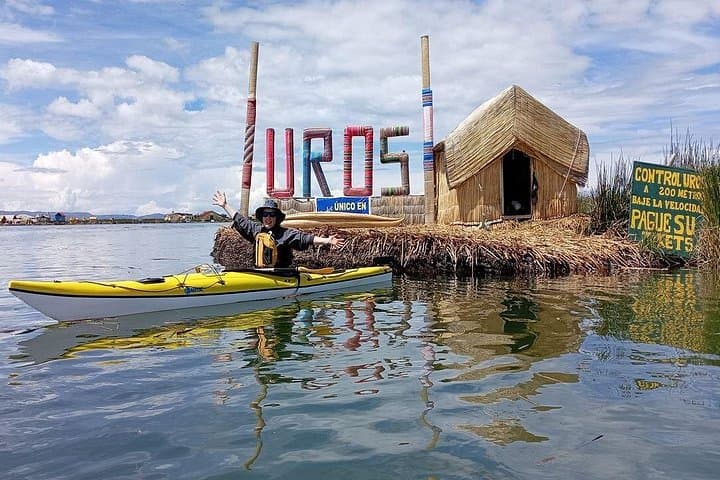
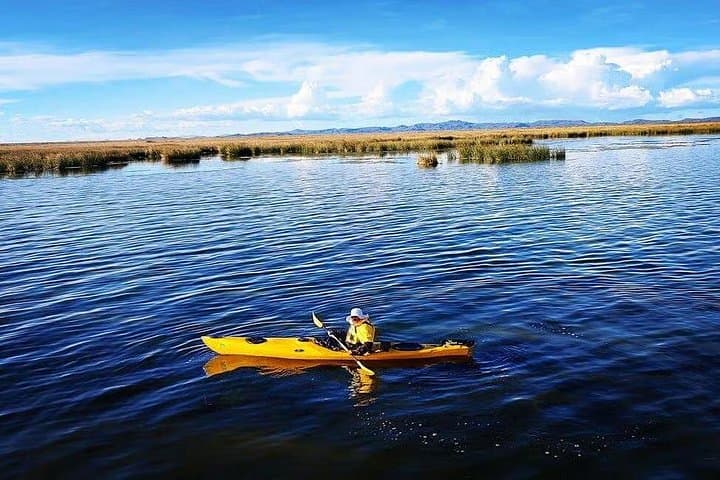
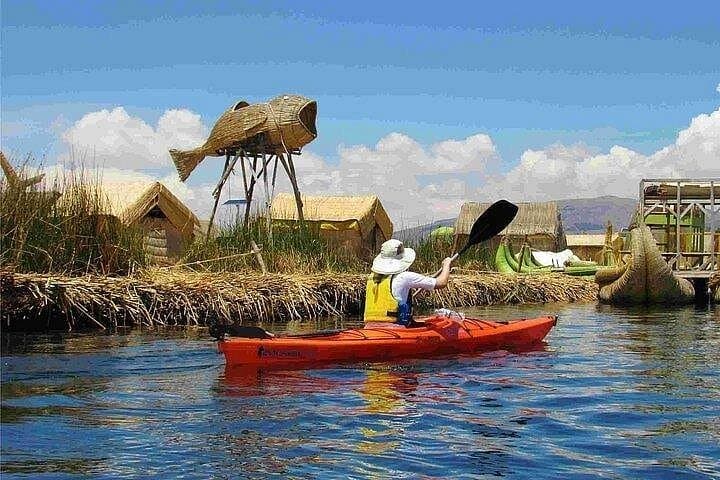
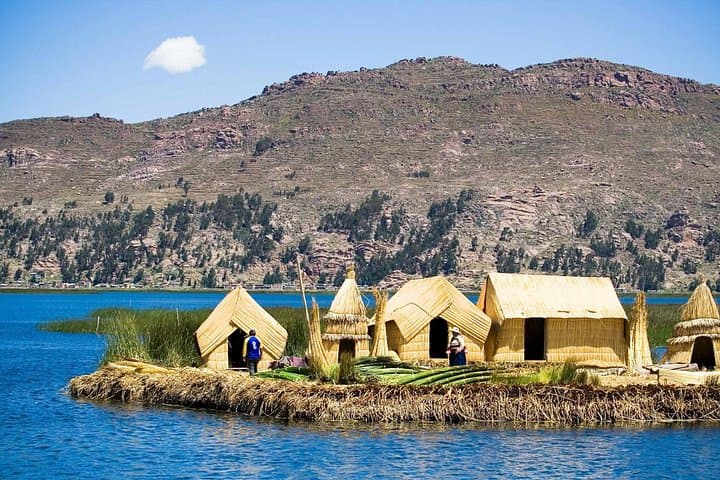
You push off in the cool, thin air of the Altiplano and the lake answers with a flat, luminous surface that seems to push back gently against your blade. Morning wind is a patient guest here; the totora reeds whisper as you glide past mats of yellow-green that frame the Uros islands. Close-up, the islands look almost alive—layers of reed fiber piled, trimmed and lashed by hands that have kept this craft for generations.
You push off in the cool, thin air of the Altiplano and the lake answers with a flat, luminous surface that seems to push back gently against your blade. Morning wind is a patient guest here; the totora reeds whisper as you glide past mats of yellow-green that frame the Uros islands. Close-up, the islands look almost alive—layers of reed fiber piled, trimmed and lashed by hands that have kept this craft for generations.
Lake Titicaca sits at roughly 3,812 meters (12,507 ft), the highest large navigable lake on Earth. Its basin is the product of tectonic uplift and glacial sculpting, and its islands—both natural and man-made—trace cultural responses to that landscape. The Uros people build floating platforms from bundled totora reed, a practice predating the Inca; reed-craft and reed-boat building remain practical skills and local livelihoods.
Expect short paddling legs: the guide covers basic strokes and safety before a roughly one-hour crossing to the archipelago, a guided visit with an island family, then a return to Puno. Wildlife centers on shorebirds and the endemic Titicaca grebe; watch quietly. Practicalities matter here—altitude, sun and sudden winds are the variables to manage. Layer for cool mornings and brisk afternoons, drink water steadily, and secure footwear for slippery docks.
This is an accessible, culturally rich paddle rather than a technical expedition. It rewards steady strokes, curiosity about traditional lifeways, and respect for a fragile reed-built environment. Morning departures are calmer; mid-day can bring wind. Bring a camera, but leave plastic waste onshore.