THE ADVENTURE COLLECTIVE® · Independent discovery and booking for outdoor travel

Train traditional Kobudo at the historic Sugino Dojo near JR Kawasaki Station. Learn basic and film-used samurai kata in a preserved training space once connected to Seven Samurai choreography.
Train traditional Kobudo at the historic Sugino Dojo near JR Kawasaki Station. Learn basic and film-used samurai kata in a preserved training space once connected to Seven Samurai choreography.
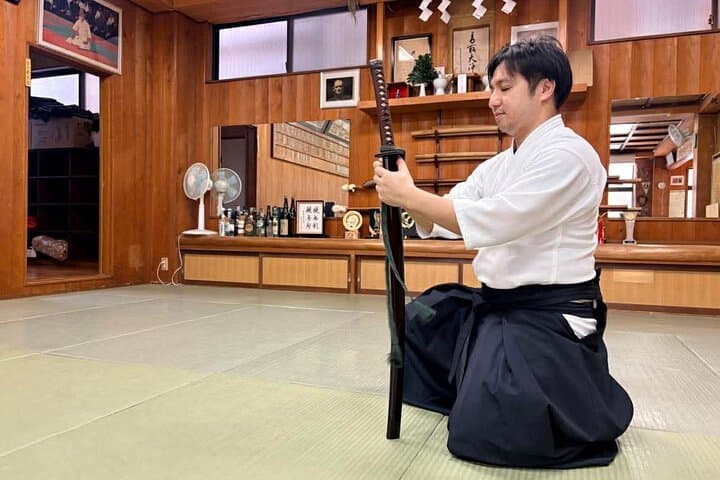
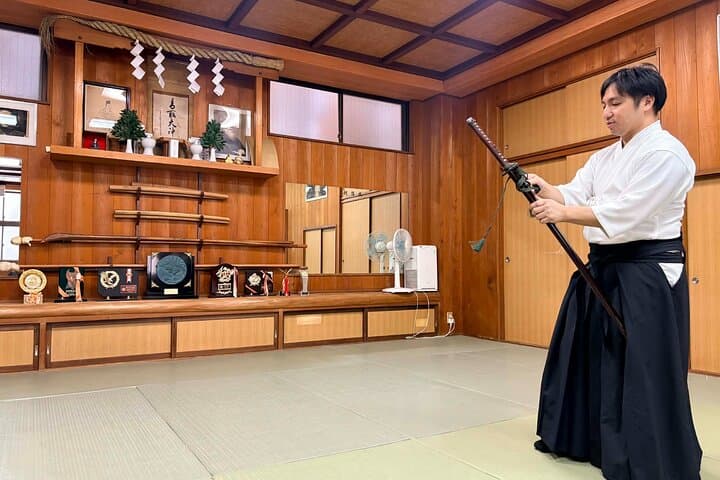
The tatami-smooth floor takes your weight and the wooden bokken hums like an old instrument as you step into a compact dojo a ten-minute walk from JR Kawasaki Station. Sunlight from a single window sets the dust motes moving; the instructor’s voice slices the quiet and the city beyond feels a world away.
Verified experiences and guided adventures in the surrounding area.
Operated by JLB Tours · Kawasaki, Kanagawa
The tatami-smooth floor takes your weight and the wooden bokken hums like an old instrument as you step into a compact dojo a ten-minute walk from JR Kawasaki Station. Sunlight from a single window sets the dust motes moving; the instructor’s voice slices the quiet and the city beyond feels a world away.
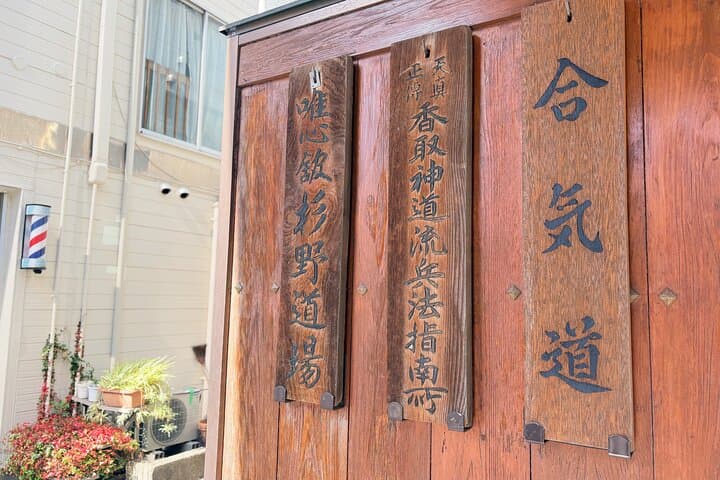
This is the Sugino Dojo, founded by Yoshio Sugino, the koryu practitioner who helped bring samurai sword work to mid-20th-century cinema — most famously advising on Seven Samurai. Kawasaki sits on the flat Tama River plain between Tokyo and Yokohama; its landscape is engineered and functional, yet pockets of tradition remain in streets, shrines and small training halls.
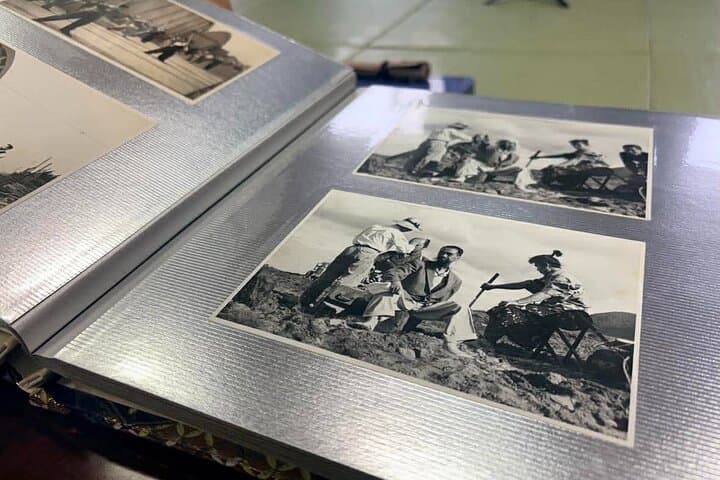
Expect a short history talk and a look at family photos and film-era artifacts, then progressive kata practice: basic stances, measured footwork, and the controlled cuts and pulls that define Kobudo. Movements emphasize calm breath, timing and awareness rather than brute force. The final segment is a special kata used in the film, taught step-by-step and repeated until the rhythm settles into muscle memory.
Practically: meet at JR Kawasaki Station, bring comfortable innerwear and shorts to wear under the provided uniform, and allow three hours total. The training is suitable for beginners but requires basic mobility — you will kneel, step deeply and practice precise wrist and shoulder control. Photography may be limited; follow instructors’ directions and remove street shoes before entering. Leave electronics silent and treat the space with quiet attention — the biggest courtesy you can give a living tradition.
easy.
3 hours.
Basic mobility and joint health; able to kneel, step deliberately, and perform light core and shoulder work.
No — the class is structured for beginners with step-by-step kata instruction; instructors adapt to different skill levels.
Bring comfortable innerwear and shorts to wear under the provided dojo uniform; street shoes are removed before entering.
Not recommended for people with serious spinal, heart, or pregnancy-related conditions; disclose health issues when booking.
Photography of personal training may be limited; you will typically be shown historical photos, but follow the instructor’s guidance on recording.
Yoshio Sugino, a respected koryu swordsman, preserved traditional kata and contributed choreography for mid-century film; the dojo continues family-led instruction.
The dojo functions as a living cultural site—respectful behavior preserves fragile tatami floors, wooden weapons and an oral teaching lineage; minimize impact and follow house rules.
JLB Tours operates guided outdoor trips and adventures with an emphasis on safety, stewardship, and memorable experiences.
The tatami-smooth floor takes your weight and the wooden bokken hums like an old instrument as you step into a compact dojo a ten-minute walk from JR Kawasaki Station. Sunlight from a single window sets the dust motes moving; the instructor’s voice slices the quiet and the city beyond feels a world away.
The tatami-smooth floor takes your weight and the wooden bokken hums like an old instrument as you step into a compact dojo a ten-minute walk from JR Kawasaki Station. Sunlight from a single window sets the dust motes moving; the instructor’s voice slices the quiet and the city beyond feels a world away.
This is the Sugino Dojo, founded by Yoshio Sugino, the koryu practitioner who helped bring samurai sword work to mid-20th-century cinema — most famously advising on Seven Samurai. Kawasaki sits on the flat Tama River plain between Tokyo and Yokohama; its landscape is engineered and functional, yet pockets of tradition remain in streets, shrines and small training halls.
Expect a short history talk and a look at family photos and film-era artifacts, then progressive kata practice: basic stances, measured footwork, and the controlled cuts and pulls that define Kobudo. Movements emphasize calm breath, timing and awareness rather than brute force. The final segment is a special kata used in the film, taught step-by-step and repeated until the rhythm settles into muscle memory.
Practically: meet at JR Kawasaki Station, bring comfortable innerwear and shorts to wear under the provided uniform, and allow three hours total. The training is suitable for beginners but requires basic mobility — you will kneel, step deeply and practice precise wrist and shoulder control. Photography may be limited; follow instructors’ directions and remove street shoes before entering. Leave electronics silent and treat the space with quiet attention — the biggest courtesy you can give a living tradition.