THE ADVENTURE COLLECTIVE® · Independent discovery and booking for outdoor travel

Try a five-tile kawara smash in Asakusa—an accessible, supervised martial-arts demonstration that delivers a quick adrenaline hit and a hands-on cultural snapshot. Bilingual instruction, gloves, and costume rental make it beginner-friendly and highly photogenic.
Try a five-tile kawara smash in Asakusa—an accessible, supervised martial-arts demonstration that delivers a quick adrenaline hit and a hands-on cultural snapshot. Bilingual instruction, gloves, and costume rental make it beginner-friendly and highly photogenic.
You step off Nakamise-dori, the chatter of camera shutters and incense drifting from Senso-ji, and enter a small workshop where a stack of clay tiles waits like a dare. The room smells faintly of rubber and sweat; an instructor demonstrates a clean palm strike, the tiles answering with a sharp crack that feels equal parts theater and technique.
Verified experiences and guided adventures in the surrounding area.
Operated by 瓦割り カワラナ · Tokyo, Tokyo
You step off Nakamise-dori, the chatter of camera shutters and incense drifting from Senso-ji, and enter a small workshop where a stack of clay tiles waits like a dare. The room smells faintly of rubber and sweat; an instructor demonstrates a clean palm strike, the tiles answering with a sharp crack that feels equal parts theater and technique.
Tile-breaking—kawara smash—has roots in martial arts demonstrations where breaking boards or tiles shows focus, timing, and correct body alignment. In Asakusa, the practice sits alongside centuries of festival culture and the district’s showman history: performers and fighters once drew crowds near the temple and river. The tiles themselves are simple fired clay; the physics is about force concentrated through a small, accurate surface and follow-through rather than brute strength.
This 30-minute private activity is pragmatic: bilingual instruction, safety gloves, and optional costume rental let visitors try a five-tile challenge with supervision. It’s not a lesson in karate but an introductory, controlled demonstration that highlights safety, posture, and the satisfying feedback of a clean break.
Practical guidance: arrive with sleeves you can roll up, leave valuables in a nearby locker, and disclose spinal or shoulder issues in advance—organizers screen for safety. If you want more than five tiles, plan to pay locally and factor in a few extra minutes for instruction. Pair the experience with a stroll along Sumida River or a quick stop at a local izakaya; the whole visit fits into an efficient Tokyo morning or afternoon without heavy exertion.
moderate.
30 minutes.
Light to moderate fitness; must be able to perform a single strong strike and follow basic instructor directions.
No—this is an introductory, supervised demonstration focused on safe technique rather than formal training.
Most packages include five tiles; you can usually pay locally to attempt additional tiles under the instructor’s guidance.
Children may participate if they meet the venue’s age requirements and can follow instructions; disclose age during booking and check local rules.
Yes—costume rental is typically included and intended for photos; follow the instructor’s directions and respect the shared space.
Asakusa has been a center of entertainment since the Edo period; tile-breaking demonstrations evolved from martial arts displays used to show skill and discipline.
Workshops encourage minimal waste and proper disposal of broken tiles; visitors should respect the temple precincts and local businesses by keeping the area clean.
瓦割り カワラナ operates guided outdoor trips and adventures with an emphasis on safety, stewardship, and memorable experiences.
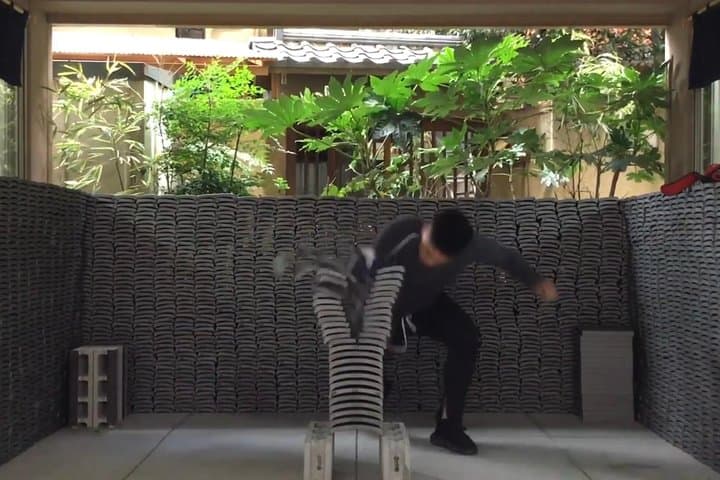
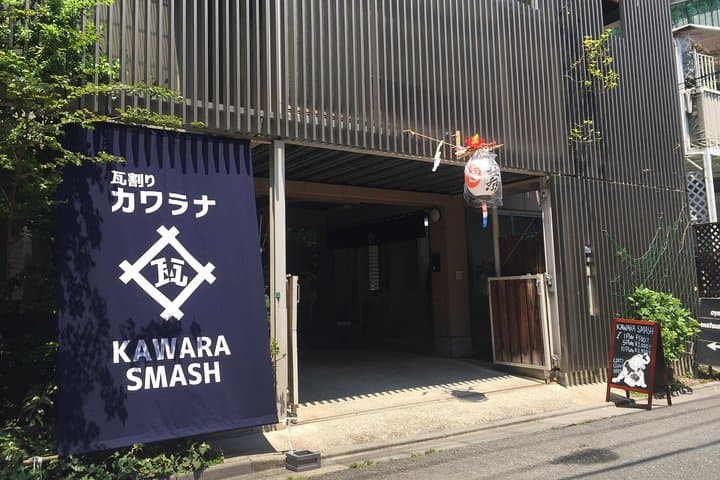
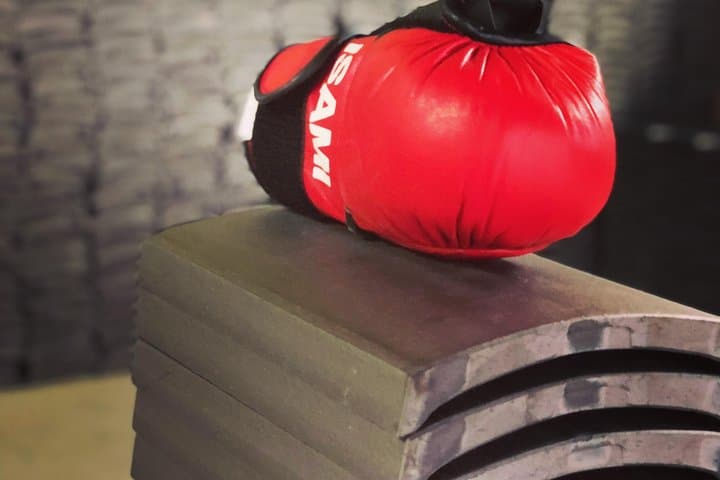
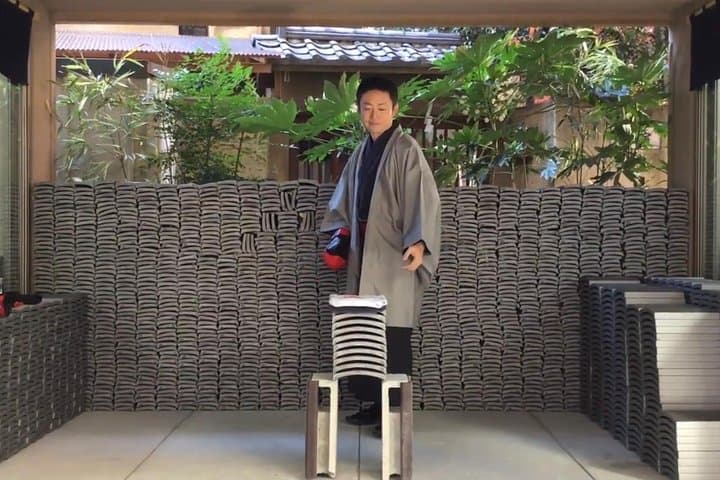
You step off Nakamise-dori, the chatter of camera shutters and incense drifting from Senso-ji, and enter a small workshop where a stack of clay tiles waits like a dare. The room smells faintly of rubber and sweat; an instructor demonstrates a clean palm strike, the tiles answering with a sharp crack that feels equal parts theater and technique.
You step off Nakamise-dori, the chatter of camera shutters and incense drifting from Senso-ji, and enter a small workshop where a stack of clay tiles waits like a dare. The room smells faintly of rubber and sweat; an instructor demonstrates a clean palm strike, the tiles answering with a sharp crack that feels equal parts theater and technique.
Tile-breaking—kawara smash—has roots in martial arts demonstrations where breaking boards or tiles shows focus, timing, and correct body alignment. In Asakusa, the practice sits alongside centuries of festival culture and the district’s showman history: performers and fighters once drew crowds near the temple and river. The tiles themselves are simple fired clay; the physics is about force concentrated through a small, accurate surface and follow-through rather than brute strength.
This 30-minute private activity is pragmatic: bilingual instruction, safety gloves, and optional costume rental let visitors try a five-tile challenge with supervision. It’s not a lesson in karate but an introductory, controlled demonstration that highlights safety, posture, and the satisfying feedback of a clean break.
Practical guidance: arrive with sleeves you can roll up, leave valuables in a nearby locker, and disclose spinal or shoulder issues in advance—organizers screen for safety. If you want more than five tiles, plan to pay locally and factor in a few extra minutes for instruction. Pair the experience with a stroll along Sumida River or a quick stop at a local izakaya; the whole visit fits into an efficient Tokyo morning or afternoon without heavy exertion.