THE ADVENTURE COLLECTIVE® · Independent discovery and booking for outdoor travel

Spend two days tracing Java’s volcanic backbone: Kawah Putih’s milky crater lake, thermal pools at Rengganis, a sunrise walk on Papandayan and a visit to Kampung Naga’s living Sundanese heritage. Expect early starts, hot springs and simple homestays.
Spend two days tracing Java’s volcanic backbone: Kawah Putih’s milky crater lake, thermal pools at Rengganis, a sunrise walk on Papandayan and a visit to Kampung Naga’s living Sundanese heritage. Expect early starts, hot springs and simple homestays.
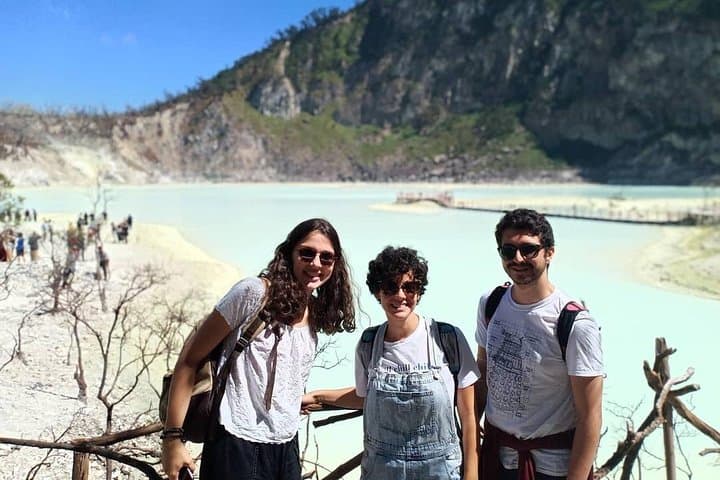
A pale steam drifts above a milky-blue crater lake as dawn pries light through low clouds — this is Kawah Putih, where sulfur-laced air and chalky shores force you to slow down and breathe differently.
Verified experiences and guided adventures in the surrounding area.
Operated by Umien Moritz tours organizer · Bandung, West Java
A pale steam drifts above a milky-blue crater lake as dawn pries light through low clouds — this is Kawah Putih, where sulfur-laced air and chalky shores force you to slow down and breathe differently.
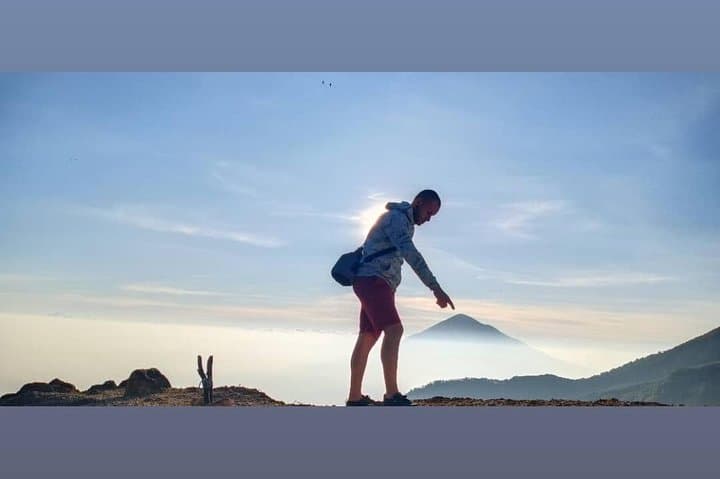
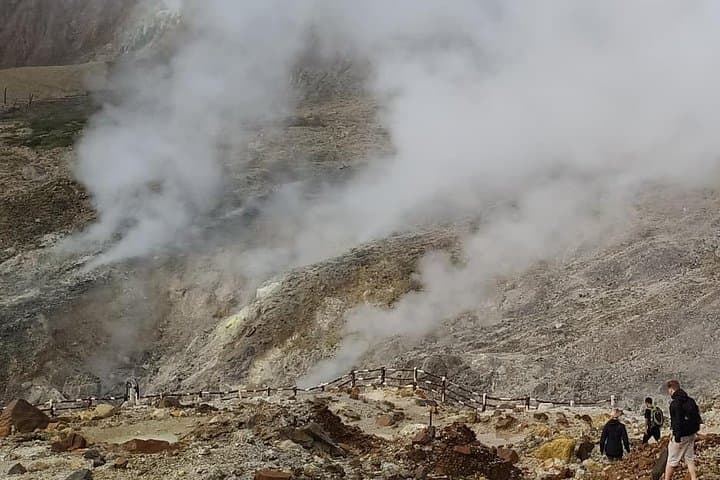
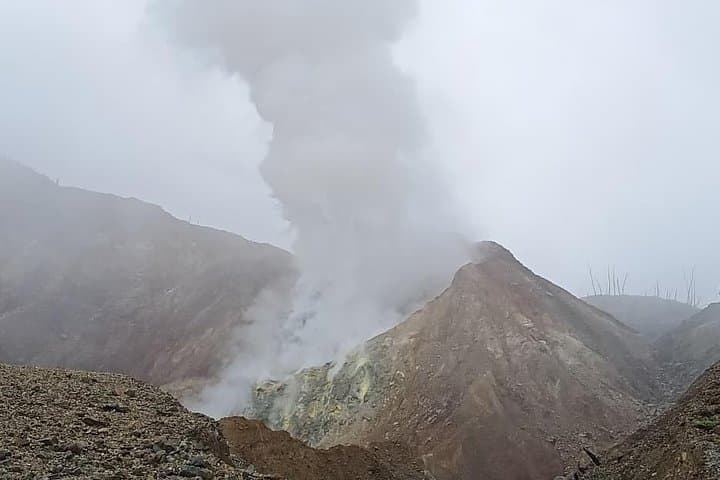
Across two days the route threads volcanic highlands, tea terraces and a living Sundanese village. Kawah Putih (Mount Patuha’s crater) is an andesitic caldera whose milky lake shifts color with light and sulfur content. Nearby Rancabali’s tea estates and the Rengganis crater pools reveal Java’s layered geology: cooled lava domes, groundwater-heated springs and mud baths that locals have shaped into soaking pools. Papandayan, a more active stratovolcano to the southeast, offers a compact alpine walk — fumaroles, steaming vents and a small warm lake from the 2002 eruption—then a short climb to a sunrise vantage that rewards in clear weather.
Culture arrives in Kampung Naga, a preserved Sundanese community where traditional architecture and communal land practices reflect centuries of local custom.
Practical notes: expect early starts (pre-dawn drives), unpaved trails and variable weather; pack a warm, waterproof layer, sturdy shoes and a mask if you’re sensitive to sulfur. Accommodations are simple bungalows or homestays in Garut; the tour includes private transport, breakfasts and entrance fees. The itinerary suits hikers comfortable with 30–120 minute stamina efforts and a single 4–5 hour volcano circuit. Respect trail closures, stay on paths above fragile crater rims and ask guides about water temperatures before entering natural pools. This loop is an efficient way to combine geology, village life and thermal relaxation into 48 active hours in West Java.
moderate.
2 days (approx. 48 hours).
Good basic fitness; able to do a 30-minute pre-dawn climb and a 4–5 hour volcano circuit with uneven terrain.
Yes — private transportation is included for the full 2-day itinerary, covering pickups, inter-site transfers and drop-off at the final destination.
The Papandayan section includes a 30-minute climb to the sunrise point and a 4–5 hour walking circuit over uneven volcanic terrain; it’s moderate but not technical.
Yes — Rengganis has natural hot spring pools and mud baths managed locally; temperatures vary, so follow guide advice before entering.
This tour is not recommended for pregnant travelers or those with serious cardiovascular or spinal conditions due to early starts, uneven terrain and volcanic gases.
Mount Patuha and Papandayan are part of Java’s active volcanic chain; local Sundanese communities like Kampung Naga preserve traditional architecture and social practices.
The crater ecosystems are fragile — stick to marked paths, avoid swimming in uncontrolled areas and carry out all trash; respect local village rules to support cultural preservation.
Umien Moritz tours organizer operates guided outdoor trips and adventures with an emphasis on safety, stewardship, and memorable experiences.
A pale steam drifts above a milky-blue crater lake as dawn pries light through low clouds — this is Kawah Putih, where sulfur-laced air and chalky shores force you to slow down and breathe differently.
A pale steam drifts above a milky-blue crater lake as dawn pries light through low clouds — this is Kawah Putih, where sulfur-laced air and chalky shores force you to slow down and breathe differently.
Across two days the route threads volcanic highlands, tea terraces and a living Sundanese village. Kawah Putih (Mount Patuha’s crater) is an andesitic caldera whose milky lake shifts color with light and sulfur content. Nearby Rancabali’s tea estates and the Rengganis crater pools reveal Java’s layered geology: cooled lava domes, groundwater-heated springs and mud baths that locals have shaped into soaking pools. Papandayan, a more active stratovolcano to the southeast, offers a compact alpine walk — fumaroles, steaming vents and a small warm lake from the 2002 eruption—then a short climb to a sunrise vantage that rewards in clear weather.
Culture arrives in Kampung Naga, a preserved Sundanese community where traditional architecture and communal land practices reflect centuries of local custom.
Practical notes: expect early starts (pre-dawn drives), unpaved trails and variable weather; pack a warm, waterproof layer, sturdy shoes and a mask if you’re sensitive to sulfur. Accommodations are simple bungalows or homestays in Garut; the tour includes private transport, breakfasts and entrance fees. The itinerary suits hikers comfortable with 30–120 minute stamina efforts and a single 4–5 hour volcano circuit. Respect trail closures, stay on paths above fragile crater rims and ask guides about water temperatures before entering natural pools. This loop is an efficient way to combine geology, village life and thermal relaxation into 48 active hours in West Java.