THE ADVENTURE COLLECTIVE® · Independent discovery and booking for outdoor travel

Step into the pale steam of Kawah Putih on a full-day trip from Bandung: crater rim views, tea plantation walks, luwak coffee stops and thermal pools in Rengganis. Practical route notes and on-the-ground tips for timing, footwear and respecting fragile volcanic features.
Step into the pale steam of Kawah Putih on a full-day trip from Bandung: crater rim views, tea plantation walks, luwak coffee stops and thermal pools in Rengganis. Practical route notes and on-the-ground tips for timing, footwear and respecting fragile volcanic features.
You arrive before the lake like a visitor approaching a quiet furnace: mist curls across pale water and the crater exhales a faint sulfur scent that tinges the air. Trails thread through Patuha’s mossy forest, opening into the white crater—an otherworldly basin whose colors shift with light and wind as if the landscape itself were breathing.
Verified experiences and guided adventures in the surrounding area.
Operated by Umien Moritz tours organizer · Ciwidey, West Java
You arrive before the lake like a visitor approaching a quiet furnace: mist curls across pale water and the crater exhales a faint sulfur scent that tinges the air. Trails thread through Patuha’s mossy forest, opening into the white crater—an otherworldly basin whose colors shift with light and wind as if the landscape itself were breathing.
Mount Patuha’s Kawah Putih is an andesitic volcanic crater formed by past eruptions; Europeans noted it during the colonial era and local villages have long harvested the surrounding highland soils for tea and horticulture. Geologically the lake is acidic and mineral-rich, its milky surface the result of dissolved silica and sulfur; culturally the area supports small-scale luwak coffee producers and traditional farming communities.
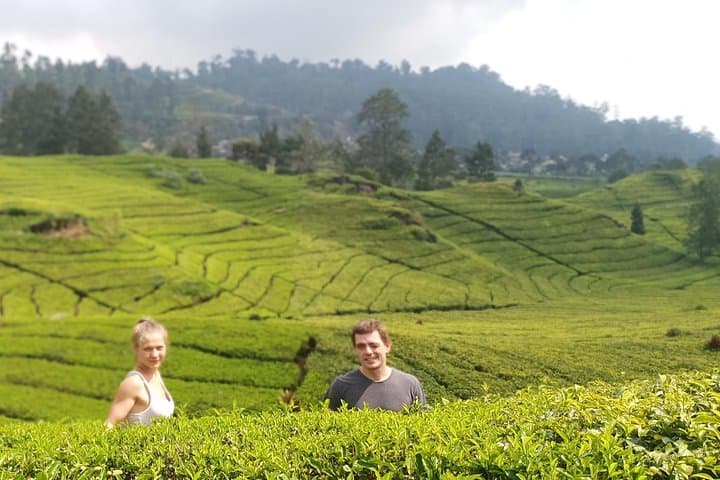
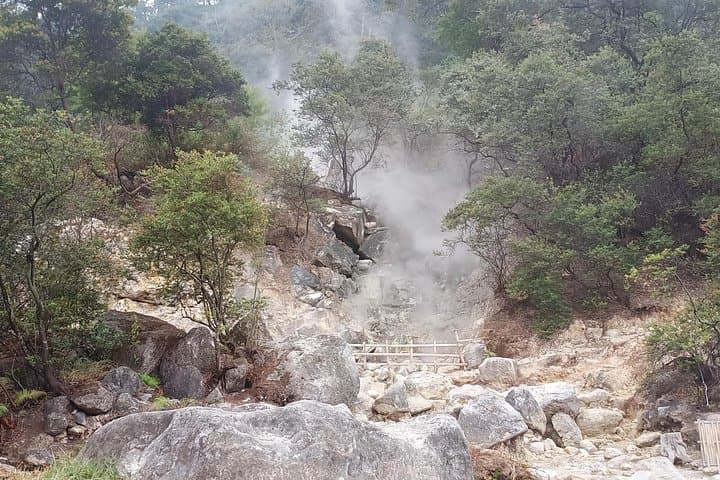
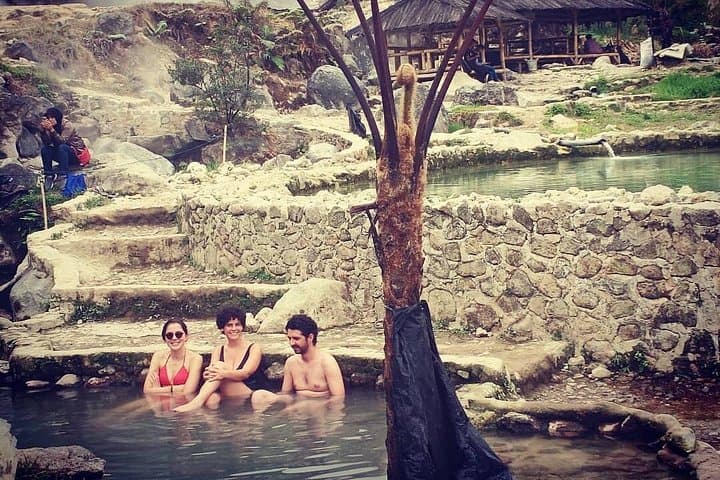
On this full-day route you’ll move from roadside rice terraces and an old train bridge to tea plantations at Rancabali, then descend into the riven valley of Rengganis where hot springs and heart‑shaped pools steam beside bubbling mud—locals use bamboo pipes to channel warm spring water for rudimentary baths.
Practicalities: the tour is suitable for most fitness levels—expect short hikes, uneven boardwalks and slick paths near the crater. Wear grippy shoes, bring a windproof layer and a mask or scarf if you’re sensitive to sulfur. Start early to avoid crowds and midday haze; photography is best in the morning or late afternoon. Respect marked paths, don’t swim in the lake, and leave no trace—these fragile volcanic soils and thermal features recover slowly from disturbance.
easy.
8–9 hours.
Suitable for travelers in regular physical condition; involves short hikes on uneven terrain and walking at altitude.
The tour runs about 8–9 hours (usually a morning departure around 08:00) and returns late afternoon; exact pickup is confirmed on booking.
No—Kawah Putih is acidic and contains sulfur; visitors may view it from designated areas but should not enter the water.
The tour accommodates most ages, but it’s not recommended for people with serious spine, heart, or pregnancy concerns due to uneven terrain and altitude changes.
The advertised tour includes entrance tickets and bottled water; clarify meal arrangements with the operator as lunch is typically included but specifics may vary.
Kawah Putih sits on Mount Patuha, an andesitic stratovolcano; the crater and surrounding highlands have supported tea cultivation and local village life since colonial-era plantation development.
The crater’s acidic lake and thermal features are ecologically fragile—stick to paths, avoid littering, and support local operators who limit group sizes to reduce impact.
Umien Moritz tours organizer operates guided outdoor trips and adventures with an emphasis on safety, stewardship, and memorable experiences.
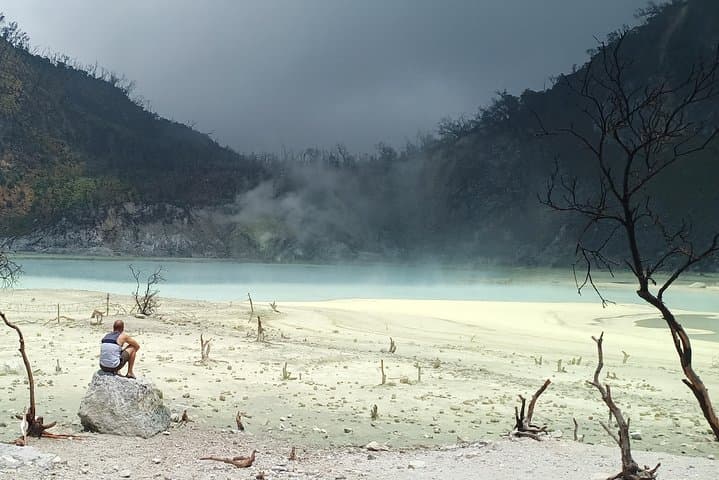
You arrive before the lake like a visitor approaching a quiet furnace: mist curls across pale water and the crater exhales a faint sulfur scent that tinges the air. Trails thread through Patuha’s mossy forest, opening into the white crater—an otherworldly basin whose colors shift with light and wind as if the landscape itself were breathing.
You arrive before the lake like a visitor approaching a quiet furnace: mist curls across pale water and the crater exhales a faint sulfur scent that tinges the air. Trails thread through Patuha’s mossy forest, opening into the white crater—an otherworldly basin whose colors shift with light and wind as if the landscape itself were breathing.
Mount Patuha’s Kawah Putih is an andesitic volcanic crater formed by past eruptions; Europeans noted it during the colonial era and local villages have long harvested the surrounding highland soils for tea and horticulture. Geologically the lake is acidic and mineral-rich, its milky surface the result of dissolved silica and sulfur; culturally the area supports small-scale luwak coffee producers and traditional farming communities.
On this full-day route you’ll move from roadside rice terraces and an old train bridge to tea plantations at Rancabali, then descend into the riven valley of Rengganis where hot springs and heart‑shaped pools steam beside bubbling mud—locals use bamboo pipes to channel warm spring water for rudimentary baths.
Practicalities: the tour is suitable for most fitness levels—expect short hikes, uneven boardwalks and slick paths near the crater. Wear grippy shoes, bring a windproof layer and a mask or scarf if you’re sensitive to sulfur. Start early to avoid crowds and midday haze; photography is best in the morning or late afternoon. Respect marked paths, don’t swim in the lake, and leave no trace—these fragile volcanic soils and thermal features recover slowly from disturbance.