THE ADVENTURE COLLECTIVE® · Independent discovery and booking for outdoor travel

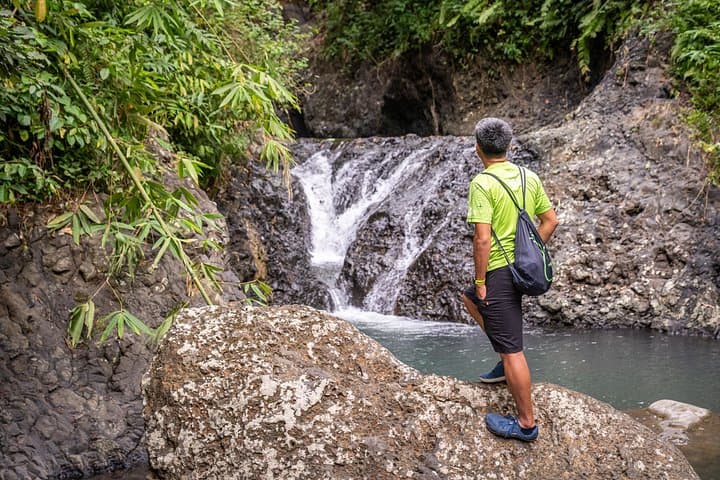
Follow a Manggis food-forest trail to the Jagasatru waterfall, cool off in a natural plunge pool, and visit a family arak distillery. This full-day hike blends jungle trekking, local culture, and swim-ready refreshment.
Follow a Manggis food-forest trail to the Jagasatru waterfall, cool off in a natural plunge pool, and visit a family arak distillery. This full-day hike blends jungle trekking, local culture, and swim-ready refreshment.
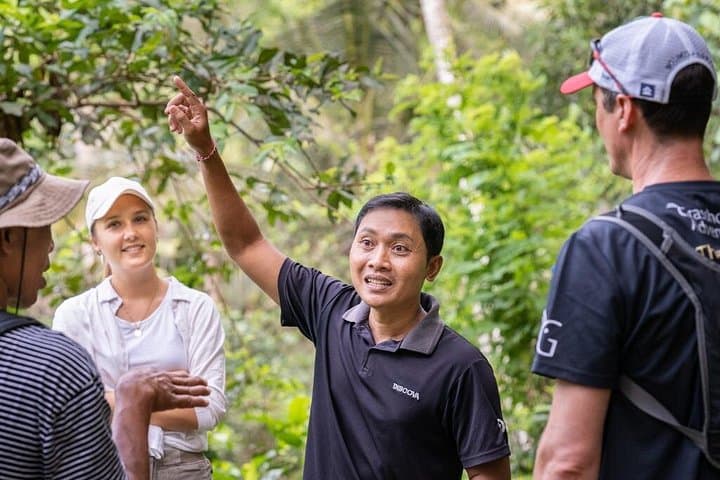
Dawn breaks over Kaura Bali and the air is thick with the scent of wet earth and ripe fruit. You meet your local guide under a simple pavilion, then step onto a narrow track that climbs away from village houses where bantam chickens scuttle and children watch with curiosity.
Verified experiences and guided adventures in the surrounding area.
Operated by Discova Southeast Asia · Manggis, Bali
Dawn breaks over Kaura Bali and the air is thick with the scent of wet earth and ripe fruit. You meet your local guide under a simple pavilion, then step onto a narrow track that climbs away from village houses where bantam chickens scuttle and children watch with curiosity.
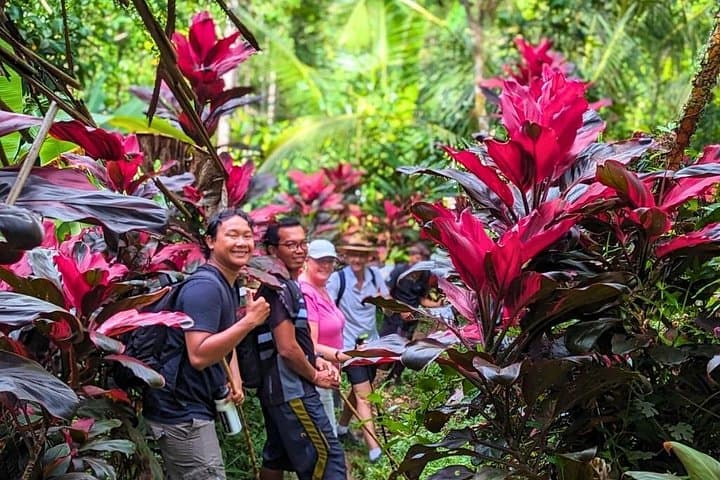
The trail winds through a working food forest of jackfruit, banana and tamarind, its volcanic soil feeding dense green undergrowth. After roughly 2–2.5 hours of steady uphill walking—rooted, sometimes slippery trails and short steep pitches—you reach Jagasatru waterfall. Water thunders into a cool plunge pool that dares you to strip down for a quick dip and a cuppa tea supplied by the team.
This route threads together natural and cultural history: Bali’s eastern ridges are shaped by relatively recent volcanism and long-standing irrigation practices; the walk skirts small farms and a family-run arak distillery where traditional bamboo stills and firewood distillation carry a lineage back generations. Guides explain medicinal plants and local foodways while pointing out the eastern Brahma shrines that mark the island’s Hindu geography.
Practically, expect 2–3 hours on-trail each way within a full 6–7 hour program that includes snacks, water refills, a demonstration at the arak house, and a return to Kaura for lunch. Wear grippy trail shoes, bring swimwear and insect repellent, and plan for sun or sudden tropical downpours—early starts avoid heat and most cloudburst afternoons. Children under eight and those with limited mobility should skip the hike; be prepared for uneven terrain and communal village etiquette—ask before photographing people or private property.
challenging.
6–7 hours.
Good aerobic fitness and comfort with steep, uneven tropical trails and sustained uphill hiking
The main uphill approach is about 2–2.5 hours each way on uneven terrain; the full tour runs roughly 6–7 hours including stops and transfers.
The operator advises the tour is not suitable for children under 8 due to steep and slippery sections.
Yes—there is a plunge pool at the base of the falls suitable for a quick swim; bring a towel and dry clothes.
Tipping is appreciated for good service; small cash tips directly to guides or hosts are customary but optional.
The eastern ridges of Bali are shaped by volcanic soils and centuries of smallholder agriculture; local distillation of arak is a long-standing craft tied to social and ceremonial life.
Stick to established paths to limit erosion, pack out plastics, and respect community land—local guides work with villages to channel visitor impact responsibly.
Discova Southeast Asia operates guided outdoor trips and adventures with an emphasis on safety, stewardship, and memorable experiences.
Dawn breaks over Kaura Bali and the air is thick with the scent of wet earth and ripe fruit. You meet your local guide under a simple pavilion, then step onto a narrow track that climbs away from village houses where bantam chickens scuttle and children watch with curiosity.
Dawn breaks over Kaura Bali and the air is thick with the scent of wet earth and ripe fruit. You meet your local guide under a simple pavilion, then step onto a narrow track that climbs away from village houses where bantam chickens scuttle and children watch with curiosity.
The trail winds through a working food forest of jackfruit, banana and tamarind, its volcanic soil feeding dense green undergrowth. After roughly 2–2.5 hours of steady uphill walking—rooted, sometimes slippery trails and short steep pitches—you reach Jagasatru waterfall. Water thunders into a cool plunge pool that dares you to strip down for a quick dip and a cuppa tea supplied by the team.
This route threads together natural and cultural history: Bali’s eastern ridges are shaped by relatively recent volcanism and long-standing irrigation practices; the walk skirts small farms and a family-run arak distillery where traditional bamboo stills and firewood distillation carry a lineage back generations. Guides explain medicinal plants and local foodways while pointing out the eastern Brahma shrines that mark the island’s Hindu geography.
Practically, expect 2–3 hours on-trail each way within a full 6–7 hour program that includes snacks, water refills, a demonstration at the arak house, and a return to Kaura for lunch. Wear grippy trail shoes, bring swimwear and insect repellent, and plan for sun or sudden tropical downpours—early starts avoid heat and most cloudburst afternoons. Children under eight and those with limited mobility should skip the hike; be prepared for uneven terrain and communal village etiquette—ask before photographing people or private property.