THE ADVENTURE COLLECTIVE® · Independent discovery and booking for outdoor travel

Board a fast, open-air raft at Port Allen and head into Kauaʻi’s winter feeding grounds to watch humpback whales breach, tail-slap, and sing. Fast transit, hydrophone listening, and experienced crew make this a practical, high-chance whale encounter.
Board a fast, open-air raft at Port Allen and head into Kauaʻi’s winter feeding grounds to watch humpback whales breach, tail-slap, and sing. Fast transit, hydrophone listening, and experienced crew make this a practical, high-chance whale encounter.
Salt spray and raw Pacific wind meet you the moment the raft slips past the marina: a ribbon of dark water, islands of white foam, and the horizon where humpbacks surface and slap the sea with theatrical force.
Verified experiences and guided adventures in the surrounding area.
Operated by Captain J's Kauai Offshore Adventures · Eleele, Hawaii
Salt spray and raw Pacific wind meet you the moment the raft slips past the marina: a ribbon of dark water, islands of white foam, and the horizon where humpbacks surface and slap the sea with theatrical force.
Kauaʻi’s sheltered channels become a seasonal stage each winter when North Pacific humpbacks migrate to Hawaiian breeding and calving grounds. The south and west shores around Port Allen provide deep water and offshore canyons that concentrate krill and draw whales close enough for clear viewing. Local mariners read charts and current lines the way island families read genealogy — practical knowledge handed down and refined by technology like onboard hydrophones that let you hear whale song beneath the churn.
Culturally, encounters are conducted with a quiet protocol: keep distance, slow approaches, and respect NOAA rules that protect mothers and calves. Geologically, this part of Kauaʻi drops off quickly into the Alenuihāhā-like swell of the open Pacific, which is why super rafts are used — speed and stability to get visitors where the animals are while minimizing transit time.
Practical guidance: check in 45 minutes before departure at Port Allen Marina (plan for gravel parking), expect 2 hours on the water, bring layers for wind and spray, and pack motion-sickness medication if you are sensitive. Crew are trained in safety and whale behavior; follow their instructions and keep a respectful distance to protect the animals.
This trip is equal parts marine spectacle and hands-on natural history — loud breaches, subtle flukes, and the chance to hear songs that travel hundreds of miles under the surface.
moderate.
2 hours.
Able to walk ~200 yards and tolerate boat motion; moderate balance and mobility required
The experience is approximately 2 hours on the water; plan to arrive 45 minutes prior for check-in.
Sightings are common in winter (Dec–Apr) but never guaranteed; operators maximize chances by using speed, local knowledge, and hydrophones.
Minimum age is 4; all minors must be accompanied by a guardian and life jackets for children are provided.
Guests with back, neck, heart issues, recent surgeries, pregnancy, or seizure history cannot join due to ride dynamics.
Kauaʻi’s waters are part of the Hawaiian winter breeding grounds for North Pacific humpbacks; local mariners have long paired traditional knowledge with modern marine science to locate and protect them.
Operators follow NOAA approach rules and encourage responsible viewing; avoid single-use plastics and heed crew guidance to reduce disturbance to whales.
Captain J's Kauai Offshore Adventures operates guided outdoor trips and adventures with an emphasis on safety, stewardship, and memorable experiences.
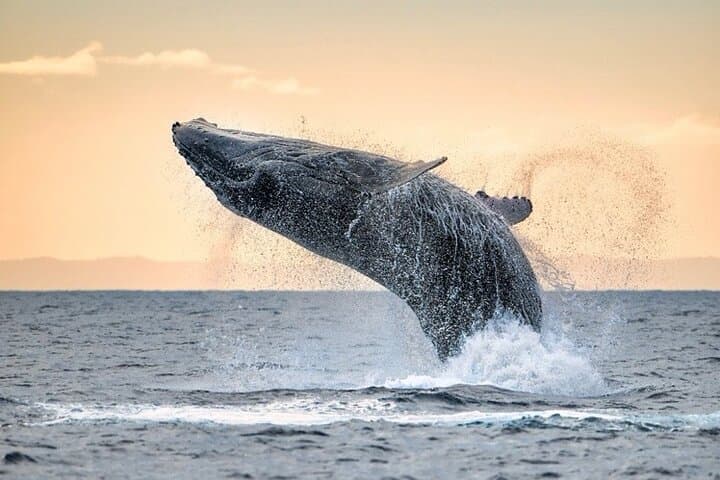
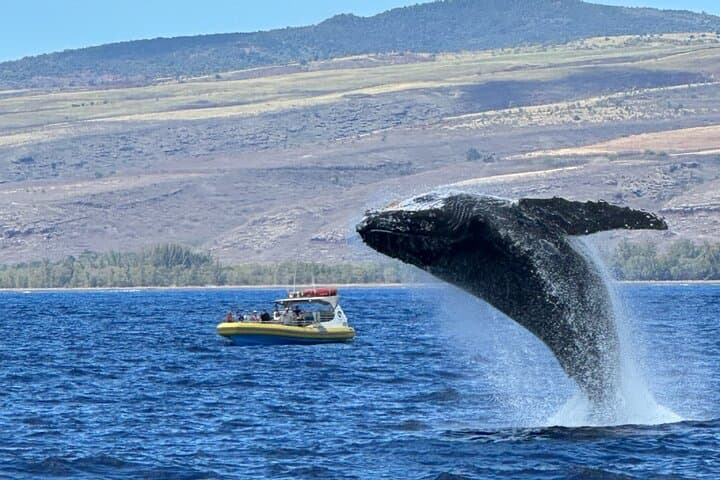
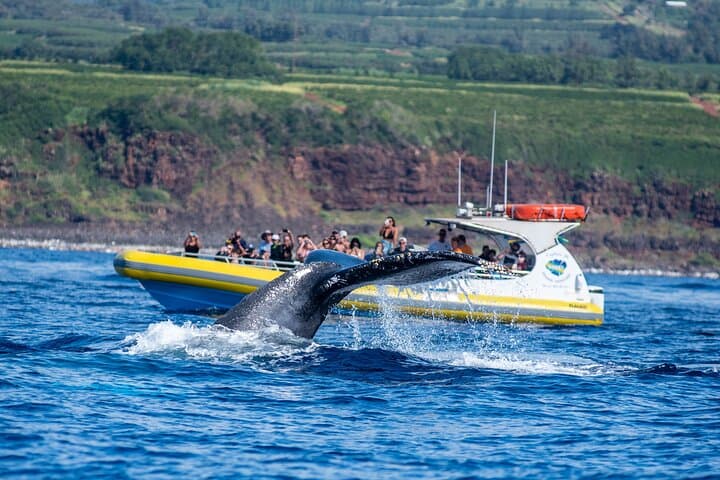
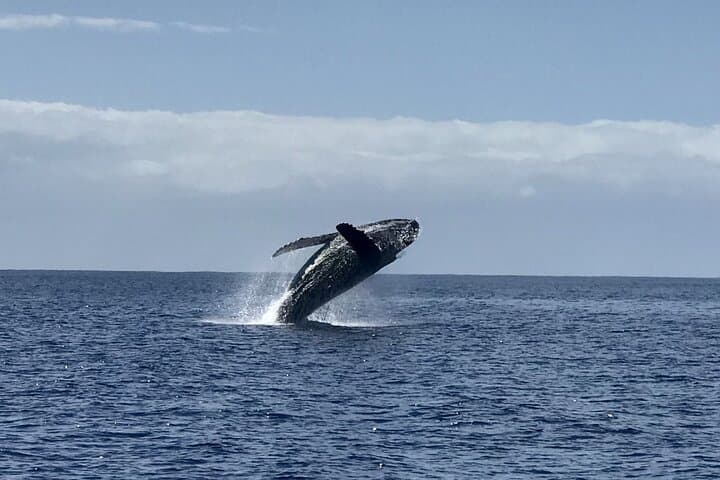
Salt spray and raw Pacific wind meet you the moment the raft slips past the marina: a ribbon of dark water, islands of white foam, and the horizon where humpbacks surface and slap the sea with theatrical force.
Salt spray and raw Pacific wind meet you the moment the raft slips past the marina: a ribbon of dark water, islands of white foam, and the horizon where humpbacks surface and slap the sea with theatrical force.
Kauaʻi’s sheltered channels become a seasonal stage each winter when North Pacific humpbacks migrate to Hawaiian breeding and calving grounds. The south and west shores around Port Allen provide deep water and offshore canyons that concentrate krill and draw whales close enough for clear viewing. Local mariners read charts and current lines the way island families read genealogy — practical knowledge handed down and refined by technology like onboard hydrophones that let you hear whale song beneath the churn.
Culturally, encounters are conducted with a quiet protocol: keep distance, slow approaches, and respect NOAA rules that protect mothers and calves. Geologically, this part of Kauaʻi drops off quickly into the Alenuihāhā-like swell of the open Pacific, which is why super rafts are used — speed and stability to get visitors where the animals are while minimizing transit time.
Practical guidance: check in 45 minutes before departure at Port Allen Marina (plan for gravel parking), expect 2 hours on the water, bring layers for wind and spray, and pack motion-sickness medication if you are sensitive. Crew are trained in safety and whale behavior; follow their instructions and keep a respectful distance to protect the animals.
This trip is equal parts marine spectacle and hands-on natural history — loud breaches, subtle flukes, and the chance to hear songs that travel hundreds of miles under the surface.