THE ADVENTURE COLLECTIVE® · Independent discovery and booking for outdoor travel

A compact, narrated raft tour from Eleele puts you close to Kauai’s wintering humpback whales. Expect bouncy, wet conditions, a hydrophone when possible, and knowledgeable crews who prioritize safety and conservation.
A compact, narrated raft tour from Eleele puts you close to Kauai’s wintering humpback whales. Expect bouncy, wet conditions, a hydrophone when possible, and knowledgeable crews who prioritize safety and conservation.
You push off from a low-profile raft and the shoreline of Kauai’s south coast slides away—rocky cliffs and coconut palms compress into a single horizontal line while the ocean opens ahead. Salt air fills your lungs; the captain scans the horizon, eyes trained to read surfaces and spouts. When a dark back breaks the water, the raft leans forward as if pulled by curiosity.
Verified experiences and guided adventures in the surrounding area.
Operated by Kauai Sea Tours · Eleele, Hawaii
You push off from a low-profile raft and the shoreline of Kauai’s south coast slides away—rocky cliffs and coconut palms compress into a single horizontal line while the ocean opens ahead. Salt air fills your lungs; the captain scans the horizon, eyes trained to read surfaces and spouts. When a dark back breaks the water, the raft leans forward as if pulled by curiosity.
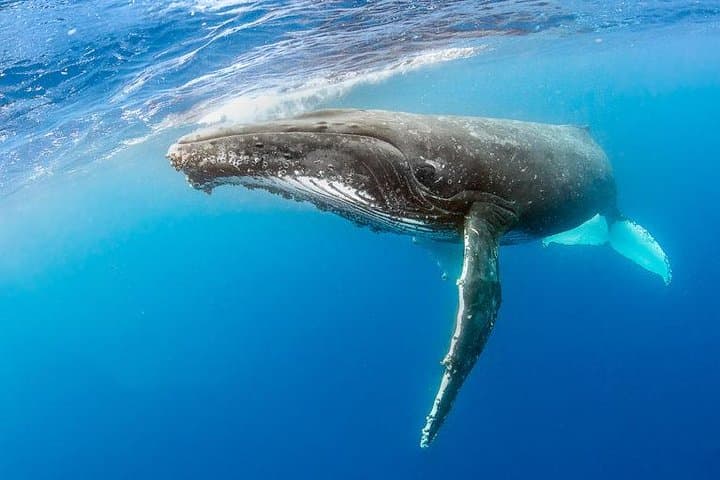
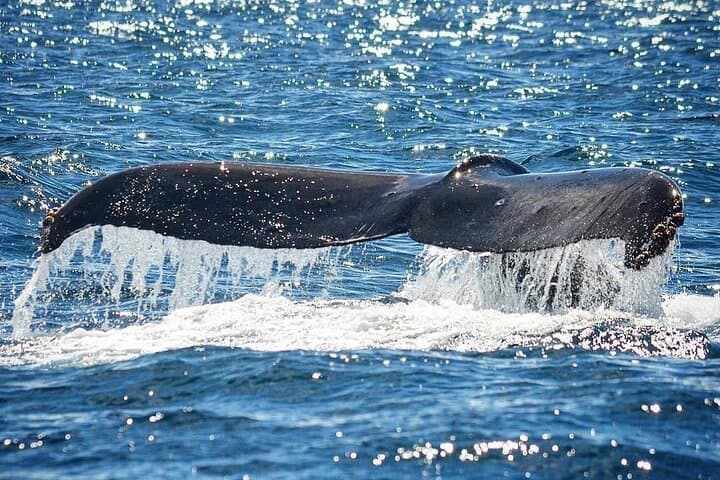
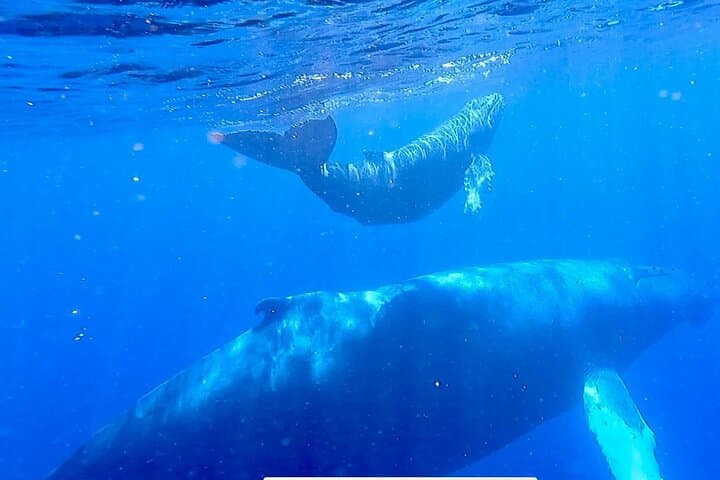
This short, narrated whale-watch runs from the Eleele/Port Allen area, where Hawaiian waters shallow toward the isles’ south shore. Humpback whales migrate here each winter from Alaskan feeding grounds to mate and calve; their surfacing, tail slaps and occasional breaches punctuate the long, deep songs carried through a hydrophone when available. Geologically, Kauai is one of the oldest main Hawaiian islands—eroded cliffs and submerged reefs shape the wave patterns that whales and dolphins navigate.
Local culture is maritime: old whaling and plantation ports give way to small fishing harbors and art towns like Hanapepe. Captains on these rafts balance close encounters with NOAA guidelines and the island’s conservation ethic.
Practical guidance: the tour is two hours from departure, often wet and bouncy; dress in swimwear or a light jacket and expect spray. Physical demands are moderate—climbing aboard a low raft and steadying yourself on choppy seas. Bring layered, quick-dry clothing, non-slip shoes, sunscreen, and motion-sickness prep if you’re sensitive.
Plan morning departures for calmer seas and the best light for photography. Keep your distance when whales surface—observe the crew’s instructions and enjoy the rare perspective a small vessel provides.
moderate.
2 hours.
Moderate fitness recommended—ability to step on/off a low raft and steady yourself in choppy water.
The tour runs two hours from the vessel’s departure time; check-in is earlier—confirm exact times with the operator.
Children must be at least 7 years old and accompanied by an adult; infants are not permitted.
When conditions and proximity allow, the crew may deploy a hydrophone so passengers can hear whale vocalizations.
Maximum weight per person is 250 lb; pregnancies, recent surgeries, or significant back problems are contraindications—consult the operator before booking.
The south shore ports like Eleele and Port Allen served plantation and inter‑island shipping; today small harbors support fishing, charter boats, and whale‑watch outings.
Operators adhere to federal and state whale approach guidelines; maintain distance, minimize noise, and avoid feeding or disturbing marine life to protect breeding whales and calves.
Kauai Sea Tours operates guided outdoor trips and adventures with an emphasis on safety, stewardship, and memorable experiences.
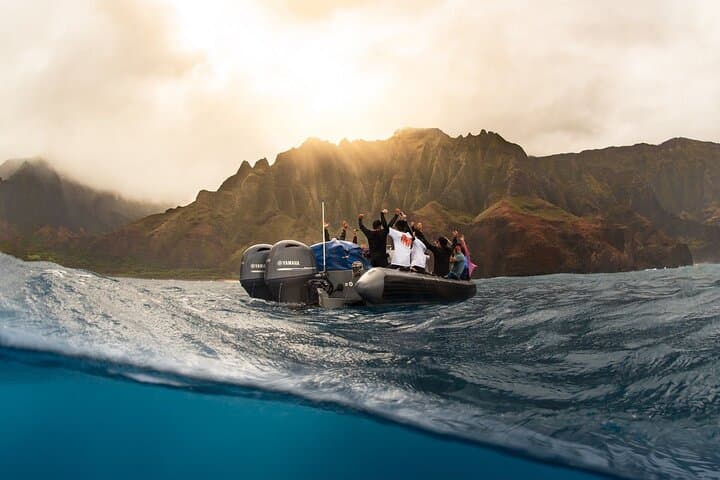
You push off from a low-profile raft and the shoreline of Kauai’s south coast slides away—rocky cliffs and coconut palms compress into a single horizontal line while the ocean opens ahead. Salt air fills your lungs; the captain scans the horizon, eyes trained to read surfaces and spouts. When a dark back breaks the water, the raft leans forward as if pulled by curiosity.
You push off from a low-profile raft and the shoreline of Kauai’s south coast slides away—rocky cliffs and coconut palms compress into a single horizontal line while the ocean opens ahead. Salt air fills your lungs; the captain scans the horizon, eyes trained to read surfaces and spouts. When a dark back breaks the water, the raft leans forward as if pulled by curiosity.
This short, narrated whale-watch runs from the Eleele/Port Allen area, where Hawaiian waters shallow toward the isles’ south shore. Humpback whales migrate here each winter from Alaskan feeding grounds to mate and calve; their surfacing, tail slaps and occasional breaches punctuate the long, deep songs carried through a hydrophone when available. Geologically, Kauai is one of the oldest main Hawaiian islands—eroded cliffs and submerged reefs shape the wave patterns that whales and dolphins navigate.
Local culture is maritime: old whaling and plantation ports give way to small fishing harbors and art towns like Hanapepe. Captains on these rafts balance close encounters with NOAA guidelines and the island’s conservation ethic.
Practical guidance: the tour is two hours from departure, often wet and bouncy; dress in swimwear or a light jacket and expect spray. Physical demands are moderate—climbing aboard a low raft and steadying yourself on choppy seas. Bring layered, quick-dry clothing, non-slip shoes, sunscreen, and motion-sickness prep if you’re sensitive.
Plan morning departures for calmer seas and the best light for photography. Keep your distance when whales surface—observe the crew’s instructions and enjoy the rare perspective a small vessel provides.