THE ADVENTURE COLLECTIVE® · Independent discovery and booking for outdoor travel

Drive through Katutura with a local guide and discover Windhoek’s vibrant township life—markets, shebeens and kapana street food. This three-hour tour combines cultural history, panoramic viewpoints and authentic encounters with residents.
Drive through Katutura with a local guide and discover Windhoek’s vibrant township life—markets, shebeens and kapana street food. This three-hour tour combines cultural history, panoramic viewpoints and authentic encounters with residents.
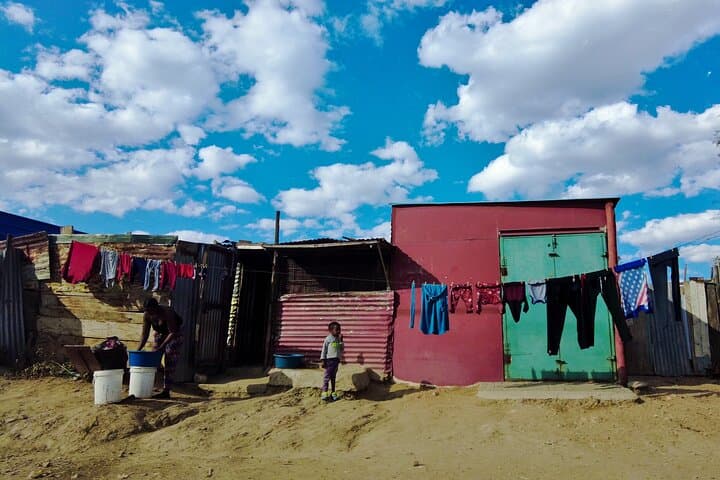
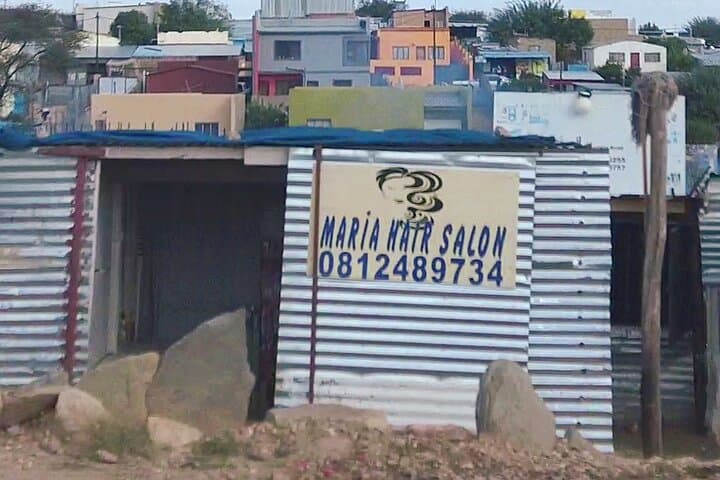
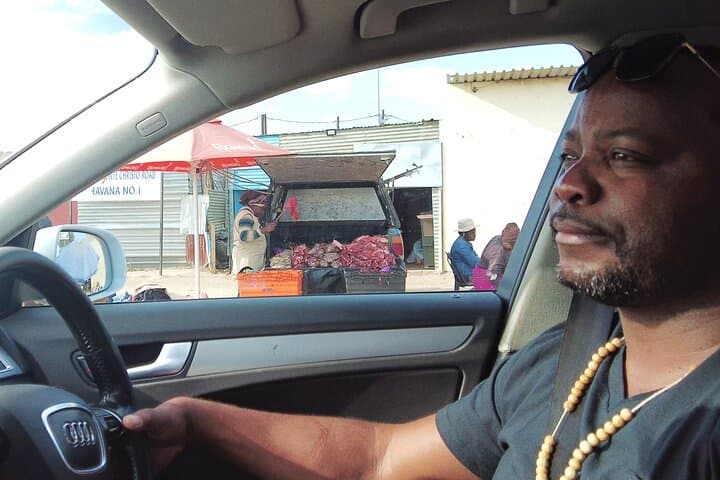
You step out of an air-conditioned minivan into a street where music, trade and conversation share the same rhythm. Sun heats corrugated roofs while vendors call over charcoal grills; the guide points out names, family ties and the history that hums in every market stall.
Verified experiences and guided adventures in the surrounding area.
Operated by Kudu Adventures · Windhoek, Khomas
You step out of an air-conditioned minivan into a street where music, trade and conversation share the same rhythm. Sun heats corrugated roofs while vendors call over charcoal grills; the guide points out names, family ties and the history that hums in every market stall.
Katutura is more than a neighborhood — it’s a living chapter of Windhoek. Created during forced relocations in the late 1950s, the township’s name in Otjiherero is often translated as “the place where people do not want to live,” yet today it pulses with entrepreneurship and community resilience. Geologically, the city sits on rolling granitic hills; culturally, these streets are where Ovambo, Herero, Damara and Afrikaans influences meet over kapana skewers and local beers.
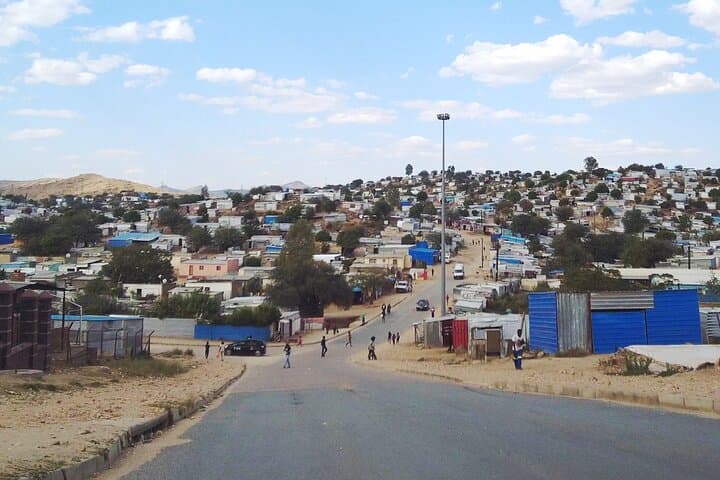
Expect a three-hour, guide-led drive-and-walk loop: market alleys, a lookout over Windhoek’s outskirts, an optional shebeen stop for conversation and a kapana street-food finale. The terrain is urban and mostly flat, with short walks that are accessible for all fitness levels; roads can be dusty and narrow during dry months and slick in rare downpours.
Practical notes: travel with small bills for purchases, ask before photographing people, and allocate time for conversation — the value here is the people you meet. Wear closed shoes for market walking, bring sun protection and a reusable water bottle. If you prefer specific experiences (markets, food, family visits), request them when booking; tours are customizable and typically capped at small group sizes for a more intimate encounter.
This tour is a straightforward way to see contemporary Namibian urban life without the tourist gloss — immediate, human and grounded in place.
easy.
3 hours.
Minimal fitness required—short walks and mostly vehicle transport; accessible to most travelers.
The tour is approximately three hours and includes market stops, a lookout and optional shebeen or kapana visits.
Yes—transport is by vehicle with short, gentle walks; the tour is listed as suitable for all fitness levels.
Yes—the operator states the itinerary is customizable; inform your guide or when booking to prioritize your interests.
Guides commonly speak English and may also speak Afrikaans and local languages; confirm language needs when booking.
Katutura was formed during forced relocations in the late 1950s; its contemporary character blends multiple ethnic communities and a culture of entrepreneurship.
Support local vendors, avoid single-use plastics, and always ask before photographing residents to respect personal and cultural boundaries.
Kudu Adventures operates guided outdoor trips and adventures with an emphasis on safety, stewardship, and memorable experiences.
You step out of an air-conditioned minivan into a street where music, trade and conversation share the same rhythm. Sun heats corrugated roofs while vendors call over charcoal grills; the guide points out names, family ties and the history that hums in every market stall.
You step out of an air-conditioned minivan into a street where music, trade and conversation share the same rhythm. Sun heats corrugated roofs while vendors call over charcoal grills; the guide points out names, family ties and the history that hums in every market stall.
Katutura is more than a neighborhood — it’s a living chapter of Windhoek. Created during forced relocations in the late 1950s, the township’s name in Otjiherero is often translated as “the place where people do not want to live,” yet today it pulses with entrepreneurship and community resilience. Geologically, the city sits on rolling granitic hills; culturally, these streets are where Ovambo, Herero, Damara and Afrikaans influences meet over kapana skewers and local beers.
Expect a three-hour, guide-led drive-and-walk loop: market alleys, a lookout over Windhoek’s outskirts, an optional shebeen stop for conversation and a kapana street-food finale. The terrain is urban and mostly flat, with short walks that are accessible for all fitness levels; roads can be dusty and narrow during dry months and slick in rare downpours.
Practical notes: travel with small bills for purchases, ask before photographing people, and allocate time for conversation — the value here is the people you meet. Wear closed shoes for market walking, bring sun protection and a reusable water bottle. If you prefer specific experiences (markets, food, family visits), request them when booking; tours are customizable and typically capped at small group sizes for a more intimate encounter.
This tour is a straightforward way to see contemporary Namibian urban life without the tourist gloss — immediate, human and grounded in place.