THE ADVENTURE COLLECTIVE® · Independent discovery and booking for outdoor travel

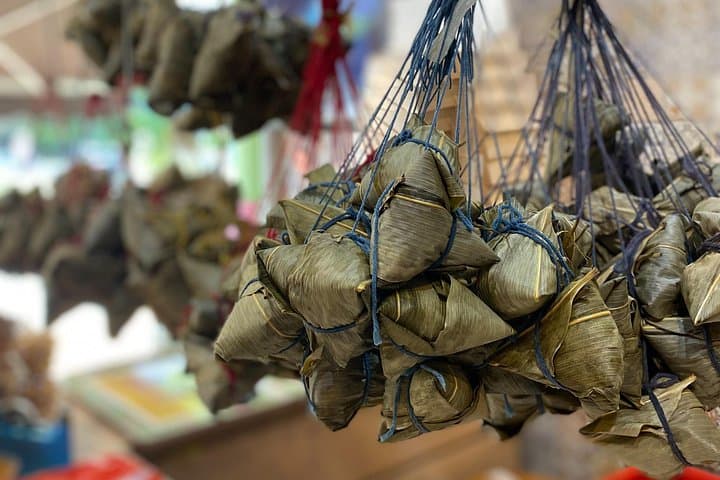
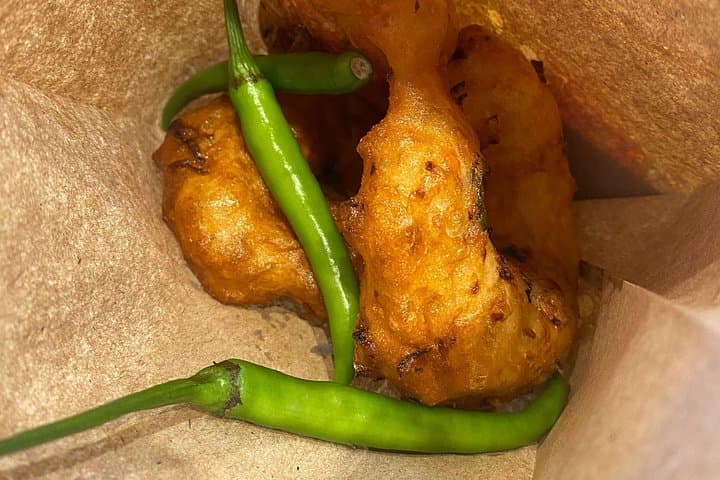
Taste your way through Katong on a three-hour guided walk that pairs laksa, roti prata, Peranakan kueh and market snacks with local stories and shophouse architecture. This is an intimate, bite-sized tour of East Singapore’s culinary roots.
Taste your way through Katong on a three-hour guided walk that pairs laksa, roti prata, Peranakan kueh and market snacks with local stories and shophouse architecture. This is an intimate, bite-sized tour of East Singapore’s culinary roots.
A humid morning on East Coast Road: steam rises from a laksa pot, little carts fold out roti prata like a slow-motion dance, and colorfully tiled shophouses watch the parade of scooters. On a three-hour walking loop through Katong you move at the neighborhood’s pace—stop, sample, listen—letting flavor lead the route.
Verified experiences and guided adventures in the surrounding area.
Operated by Hungerlust SG · Singapore, Singapore
A humid morning on East Coast Road: steam rises from a laksa pot, little carts fold out roti prata like a slow-motion dance, and colorfully tiled shophouses watch the parade of scooters. On a three-hour walking loop through Katong you move at the neighborhood’s pace—stop, sample, listen—letting flavor lead the route.
Katong’s streets tell a recent coastal story: once shoreline and Malay kampung, the area evolved into a seaside suburb for Straits Chinese families in the late 19th and early 20th centuries. The result is a local food culture where Peranakan kueh, spicy laksa, Indian prata, and Chinese-style coffee coexist. Geologically it sits on Singapore’s low coastal plain and reclaimed stretches, so terrain is flat and easy to walk.
Expect 2–3 kilometers of easy pavement interspersed with market alleys and hawker stalls. Portions are tasting-sized; guides prioritize variety over volume and point out architectural details—ornate tiles, shuttered facades—and the stories behind recipes passed down through generations.
Practical guidance: go early to avoid the late-afternoon sun and queues, carry a reusable water bottle, and bring small-change SGD for stalls that prefer cash. Tell the operator about allergies in advance; many stops include coconut, peanuts, seafood, and wheat. Wear breathable shoes and be ready for brief standing while food is prepared. Photography-friendly stops are included, so keep a charged phone. By the end you’ll have tasted signature dishes and picked up context—how migration, trade, and household cooks shaped Katong’s palate—plus a clearer map of where to return on your own.
easy.
3 hours.
Light walking fitness; comfortable standing for short periods and walking 2–3 km on flat pavement.
Expect roughly 2–3 kilometers total over three hours with multiple food stops and brief seated or standing breaks.
Yes—notify the operator at booking. They can arrange alternatives, but strict or complex diets may limit available tastings.
Yes—families with older children who can manage walking and share portions are common; strollers may be difficult in narrow market lanes.
Full refund if cancelled at least 24 hours before the scheduled departure; check your booking confirmation for specifics.
Katong grew from a coastal Malay settlement into a Straits Chinese enclave; Peranakan families shaped its food and decorative shophouse architecture from the late 1800s onward.
Support local hawkers by minimizing single-use plastics and taking leftovers with you; sustainable dining helps keep small food businesses viable.
Hungerlust SG operates guided outdoor trips and adventures with an emphasis on safety, stewardship, and memorable experiences.
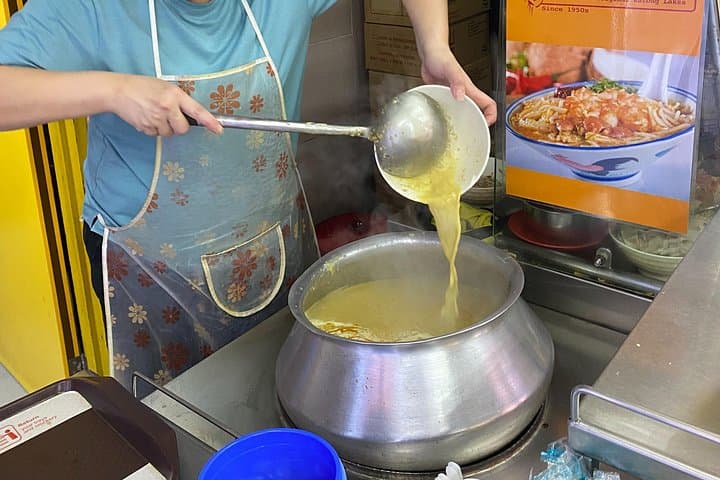
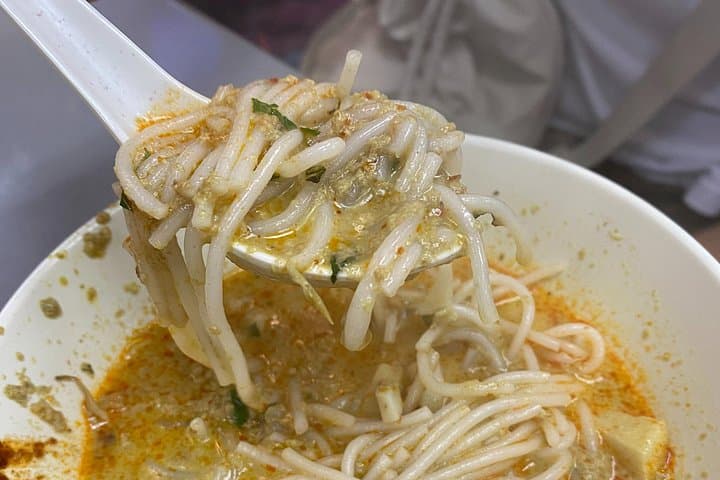
A humid morning on East Coast Road: steam rises from a laksa pot, little carts fold out roti prata like a slow-motion dance, and colorfully tiled shophouses watch the parade of scooters. On a three-hour walking loop through Katong you move at the neighborhood’s pace—stop, sample, listen—letting flavor lead the route.
A humid morning on East Coast Road: steam rises from a laksa pot, little carts fold out roti prata like a slow-motion dance, and colorfully tiled shophouses watch the parade of scooters. On a three-hour walking loop through Katong you move at the neighborhood’s pace—stop, sample, listen—letting flavor lead the route.
Katong’s streets tell a recent coastal story: once shoreline and Malay kampung, the area evolved into a seaside suburb for Straits Chinese families in the late 19th and early 20th centuries. The result is a local food culture where Peranakan kueh, spicy laksa, Indian prata, and Chinese-style coffee coexist. Geologically it sits on Singapore’s low coastal plain and reclaimed stretches, so terrain is flat and easy to walk.
Expect 2–3 kilometers of easy pavement interspersed with market alleys and hawker stalls. Portions are tasting-sized; guides prioritize variety over volume and point out architectural details—ornate tiles, shuttered facades—and the stories behind recipes passed down through generations.
Practical guidance: go early to avoid the late-afternoon sun and queues, carry a reusable water bottle, and bring small-change SGD for stalls that prefer cash. Tell the operator about allergies in advance; many stops include coconut, peanuts, seafood, and wheat. Wear breathable shoes and be ready for brief standing while food is prepared. Photography-friendly stops are included, so keep a charged phone. By the end you’ll have tasted signature dishes and picked up context—how migration, trade, and household cooks shaped Katong’s palate—plus a clearer map of where to return on your own.