THE ADVENTURE COLLECTIVE® · Independent discovery and booking for outdoor travel

Spend a long day traveling Iceland’s south coast from Reykjavík to Katla’s blue-ice caves, stopping at Seljalandsfoss, Skógafoss and Vík. This private tour combines glacier exploration with coastal geology and dramatic waterfalls — ideal for travelers seeking an active, all-day adventure.
Spend a long day traveling Iceland’s south coast from Reykjavík to Katla’s blue-ice caves, stopping at Seljalandsfoss, Skógafoss and Vík. This private tour combines glacier exploration with coastal geology and dramatic waterfalls — ideal for travelers seeking an active, all-day adventure.
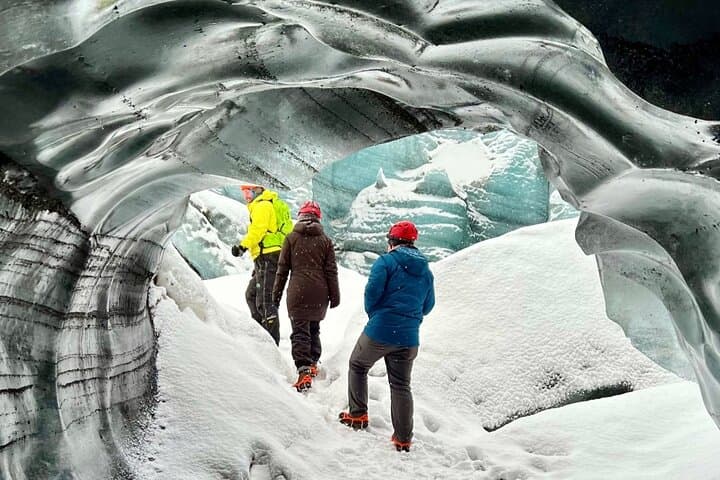
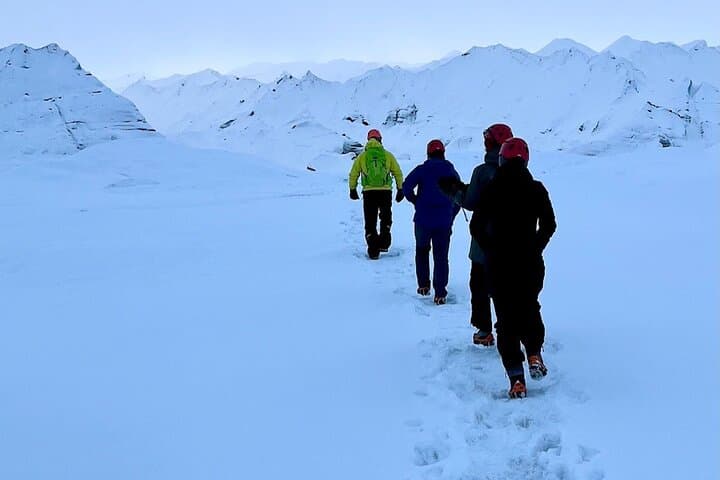
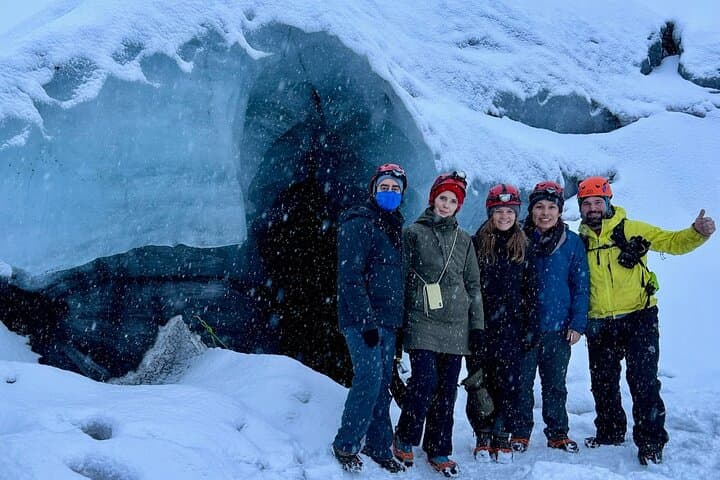
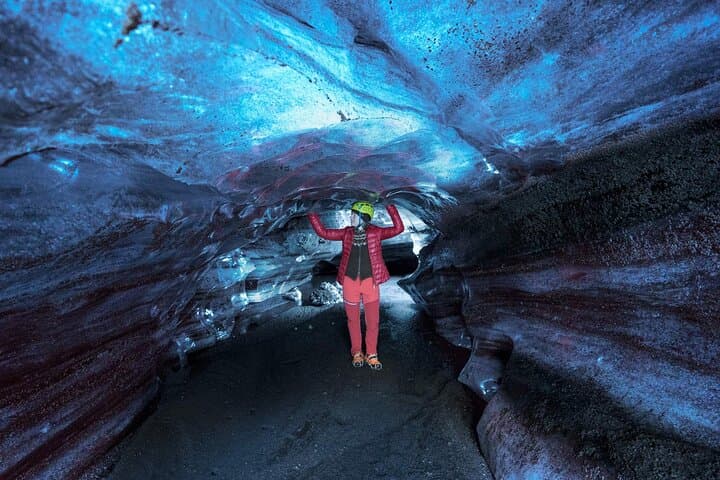
A cold wind pushes across an endless ribbon of black sand as the minibus leaves Reykjavík behind and the mountains grow taller, darker, closer. You step out at Seljalandsfoss with water daring you to walk behind it; later the field of white becomes a river of glass and blue where a cave gapes beneath the Katla glacier. Helmets tap; crampons bite; the guide’s headlamp throws patterns across ancient ice.
Verified experiences and guided adventures in the surrounding area.
Operated by Glaciers and Waterfalls · Vík, Southern Region
A cold wind pushes across an endless ribbon of black sand as the minibus leaves Reykjavík behind and the mountains grow taller, darker, closer. You step out at Seljalandsfoss with water daring you to walk behind it; later the field of white becomes a river of glass and blue where a cave gapes beneath the Katla glacier. Helmets tap; crampons bite; the guide’s headlamp throws patterns across ancient ice.
Geology here is loud: Katla sits beneath Mýrdalsjökull, a glacier that moves and melts, carving tunnels and chambers whose walls refract light into deep aquamarine. The coastline near Vík is volcanic — basalt columns, black sand shaped by Atlantic storms, and cliffs that record successive eruptions and sea invasions. Culturally the south coast has farmsteads and sagas; locals have long read the land for signs of Katla’s moods.
Expect an 11‑hour day with several stops — Seljalandsfoss, Skógafoss, Vík — and roughly 90 minutes at the ice cave itself. Guides lead glacier travel, fit crampons and harnesses, and include the cave entrance in the price; you’ll walk on ice, cross moraine, and stand in a chamber shaped by meltwater. Weather dictates timing and safety; tours are canceled in bad conditions.
Practical takeaways: arrive in sturdy, waterproof boots, layer for wind and wet, bring sun protection for glare, and carry extra water. The experience is cinematic but physical — respect the ice, follow your guide, and plan for road time back to Reykjavík or nearby towns.
moderate.
11 hours.
Moderate fitness required — you should be comfortable walking on uneven, icy and rocky terrain for short stretches.
The full private tour runs about 11 hours; the itinerary includes roughly 90 minutes at the Katla ice cave plus shorter stops at Seljalandsfoss, Skógafoss and Vík.
Yes — helmets, crampons and harnesses are included, and guides fit and instruct you in their use before you go on the ice.
Travelers should have at least moderate fitness and no serious heart or mobility issues; the operator does not recommend it for those with poor cardiovascular health.
Tours can be canceled for bad weather or unsafe glacier conditions; you’ll typically be offered a full refund if canceled at least 24 hours in advance or if the operator cancels due to conditions.
The south coast has long been a travel corridor in Icelandic sagas; volcanic eruptions under Mýrdalsjökull and Katla have periodically reshaped local settlements.
Glacier caves are dynamic and fragile — stick to guided routes, avoid touching ice unnecessarily, and follow Leave No Trace principles to limit impact.
Glaciers and Waterfalls operates guided outdoor trips and adventures with an emphasis on safety, stewardship, and memorable experiences.
A cold wind pushes across an endless ribbon of black sand as the minibus leaves Reykjavík behind and the mountains grow taller, darker, closer. You step out at Seljalandsfoss with water daring you to walk behind it; later the field of white becomes a river of glass and blue where a cave gapes beneath the Katla glacier. Helmets tap; crampons bite; the guide’s headlamp throws patterns across ancient ice.
A cold wind pushes across an endless ribbon of black sand as the minibus leaves Reykjavík behind and the mountains grow taller, darker, closer. You step out at Seljalandsfoss with water daring you to walk behind it; later the field of white becomes a river of glass and blue where a cave gapes beneath the Katla glacier. Helmets tap; crampons bite; the guide’s headlamp throws patterns across ancient ice.
Geology here is loud: Katla sits beneath Mýrdalsjökull, a glacier that moves and melts, carving tunnels and chambers whose walls refract light into deep aquamarine. The coastline near Vík is volcanic — basalt columns, black sand shaped by Atlantic storms, and cliffs that record successive eruptions and sea invasions. Culturally the south coast has farmsteads and sagas; locals have long read the land for signs of Katla’s moods.
Expect an 11‑hour day with several stops — Seljalandsfoss, Skógafoss, Vík — and roughly 90 minutes at the ice cave itself. Guides lead glacier travel, fit crampons and harnesses, and include the cave entrance in the price; you’ll walk on ice, cross moraine, and stand in a chamber shaped by meltwater. Weather dictates timing and safety; tours are canceled in bad conditions.
Practical takeaways: arrive in sturdy, waterproof boots, layer for wind and wet, bring sun protection for glare, and carry extra water. The experience is cinematic but physical — respect the ice, follow your guide, and plan for road time back to Reykjavík or nearby towns.