THE ADVENTURE COLLECTIVE® · Independent discovery and booking for outdoor travel

A full-day hike from Chania that follows rugged coastal ridges to Katholiko Bay, combining sea caves, a cliffside hermitage and a pebbled swim. Expect limestone trails, brief scrambles and rich historical context on Minoan and Byzantine remains.
A full-day hike from Chania that follows rugged coastal ridges to Katholiko Bay, combining sea caves, a cliffside hermitage and a pebbled swim. Expect limestone trails, brief scrambles and rich historical context on Minoan and Byzantine remains.
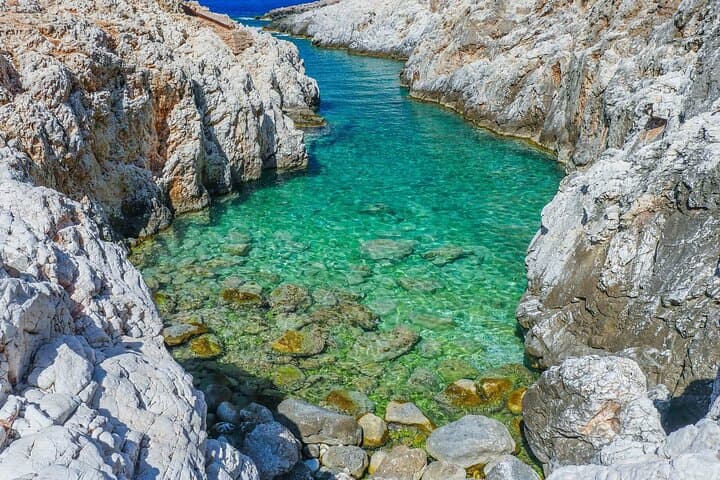
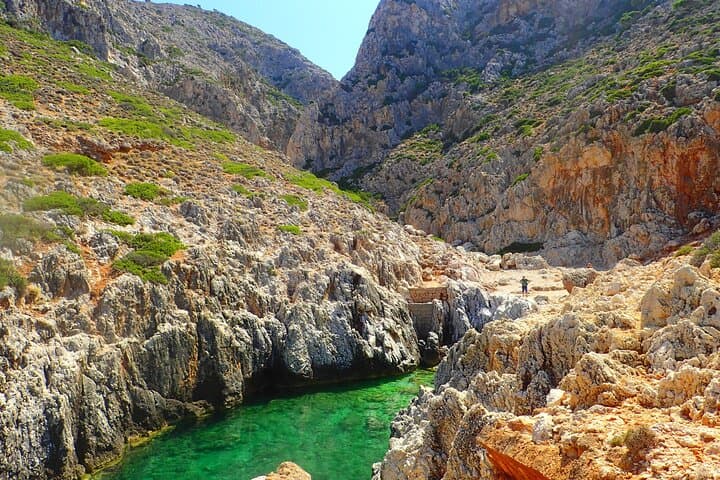
You step off the coastal road and the air changes—salt and pine, wind pushing across low scrub toward a steep drop where the sea dares you to look down. The trail rises quickly, cut into limestone and broken rock, folding over ridgelines that open onto sudden blue bays. Towers of rock throw long shadows in afternoon light; below, a narrow strip of pebbles betrays Katholiko Beach.
Verified experiences and guided adventures in the surrounding area.
Operated by Kostas Trips · Chania, Crete
You step off the coastal road and the air changes—salt and pine, wind pushing across low scrub toward a steep drop where the sea dares you to look down. The trail rises quickly, cut into limestone and broken rock, folding over ridgelines that open onto sudden blue bays. Towers of rock throw long shadows in afternoon light; below, a narrow strip of pebbles betrays Katholiko Beach.
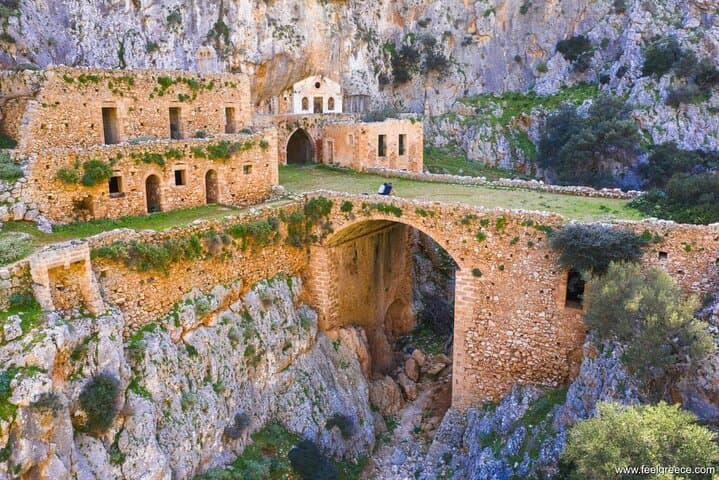
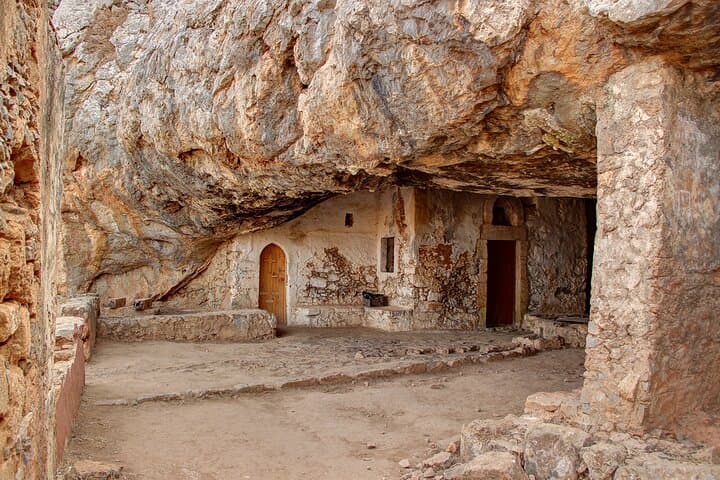
This route threads human history into hard geology. The cliffs are folded Mesozoic limestone; caves worn by sea and time hide small archaeological finds and local legends tied to the hermit St. John. Scattered ruins and abandoned shepherd villages reflect centuries of rural life on Crete, while views sweep toward Chania and the Akrotiri headland.
Expect varied terrain: dusty tracks, loose scree, short steep sections and coastal scrambling. The hike moves between shaded garrigue and exposed ridge; swimmers are rewarded by clear, cold water at the bay. Guides usually include bottled water and snacks and provide historical context on Minoan-era influences and later Byzantine hermitages.
Practical tip: start early or late afternoon to avoid midday heat, carry sun protection and at least two liters of water, and wear sturdy shoes with good grip for scree and limestone slabs. If you plan to swim, bring a quick-dry towel and reef-safe sunscreen; the shore is pebbly, so water shoes help. Trails can be narrow—watch footing and respect fragile vegetation. With steady pace and moderate fitness, this full-day loop mixes geology, culture and a refreshing sea finish.
moderate.
6 hours.
Moderate fitness: able to handle sustained walking, short steep sections and uneven ground
Moderate: several hours of hiking with short steep or rocky sections; suitable for hikers with regular activity.
Yes—Katholiko Beach offers clear water for a swim; beach is pebbly so water shoes are helpful.
Yes—you'll visit the cliffside monastery of St. John the Hermit and pass ruins and caves with local historical ties.
Most operators provide private transport from central Chania; confirm pickup point and times when booking.
The area combines Minoan-era coastal use with later Byzantine hermit traditions; the monastery of St. John sits on a cliff that has been a local landmark for centuries.
Trails cross fragile garrigue and coastal scrub—stay on paths, pack out waste, and use reef-safe sunscreen to protect marine life.
Kostas Trips operates guided outdoor trips and adventures with an emphasis on safety, stewardship, and memorable experiences.
You step off the coastal road and the air changes—salt and pine, wind pushing across low scrub toward a steep drop where the sea dares you to look down. The trail rises quickly, cut into limestone and broken rock, folding over ridgelines that open onto sudden blue bays. Towers of rock throw long shadows in afternoon light; below, a narrow strip of pebbles betrays Katholiko Beach.
You step off the coastal road and the air changes—salt and pine, wind pushing across low scrub toward a steep drop where the sea dares you to look down. The trail rises quickly, cut into limestone and broken rock, folding over ridgelines that open onto sudden blue bays. Towers of rock throw long shadows in afternoon light; below, a narrow strip of pebbles betrays Katholiko Beach.
This route threads human history into hard geology. The cliffs are folded Mesozoic limestone; caves worn by sea and time hide small archaeological finds and local legends tied to the hermit St. John. Scattered ruins and abandoned shepherd villages reflect centuries of rural life on Crete, while views sweep toward Chania and the Akrotiri headland.
Expect varied terrain: dusty tracks, loose scree, short steep sections and coastal scrambling. The hike moves between shaded garrigue and exposed ridge; swimmers are rewarded by clear, cold water at the bay. Guides usually include bottled water and snacks and provide historical context on Minoan-era influences and later Byzantine hermitages.
Practical tip: start early or late afternoon to avoid midday heat, carry sun protection and at least two liters of water, and wear sturdy shoes with good grip for scree and limestone slabs. If you plan to swim, bring a quick-dry towel and reef-safe sunscreen; the shore is pebbly, so water shoes help. Trails can be narrow—watch footing and respect fragile vegetation. With steady pace and moderate fitness, this full-day loop mixes geology, culture and a refreshing sea finish.