THE ADVENTURE COLLECTIVE® · Independent discovery and booking for outdoor travel

Spend a focused day exploring four UNESCO sites in Kathmandu Valley—Swayambhunath, Boudhanath, Pashupatinath and Durbar Square—on a private, guided tour. Expect shrine courtyards, stair climbs, religious rituals and practical tips for navigating crowds and customs.
Spend a focused day exploring four UNESCO sites in Kathmandu Valley—Swayambhunath, Boudhanath, Pashupatinath and Durbar Square—on a private, guided tour. Expect shrine courtyards, stair climbs, religious rituals and practical tips for navigating crowds and customs.
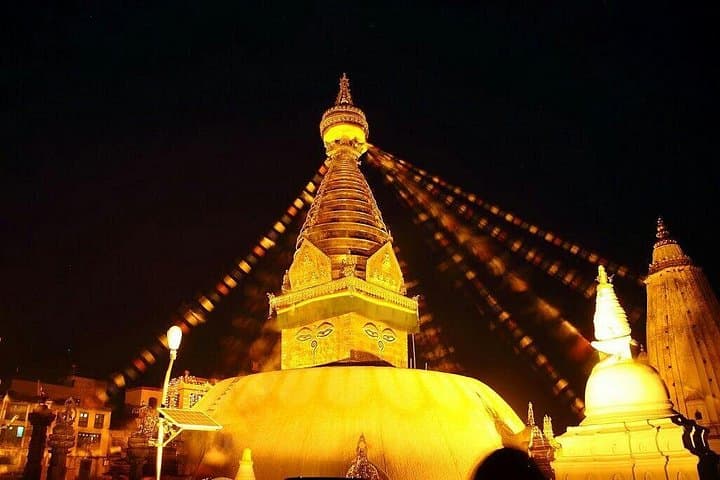
You step out under a slate sky and the city greets you in layers: prayer flags snapping above a hilltop stupa, the metallic ring of temple bells, and traffic threading the valley below.
Verified experiences and guided adventures in the surrounding area.
Operated by Nepal Adventure Team · Kathmandu, Bagmati Province
You step out under a slate sky and the city greets you in layers: prayer flags snapping above a hilltop stupa, the metallic ring of temple bells, and traffic threading the valley below.
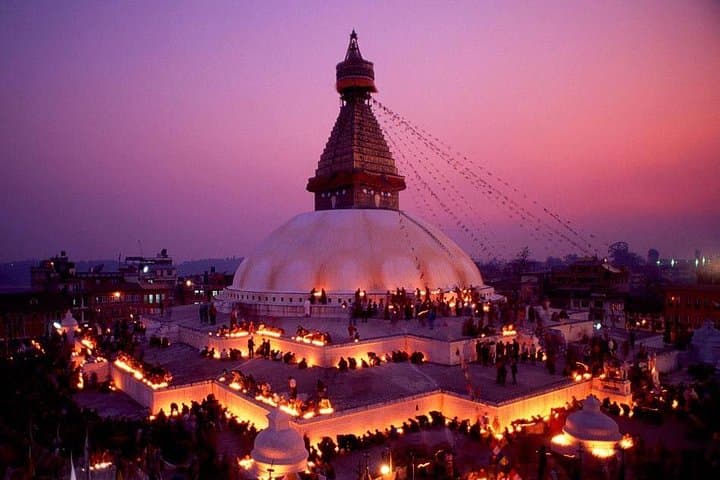
This one-day private tour threads four of Kathmandu’s UNESCO treasures—Swayambhunath (the Monkey Temple), Bouddhanath Stupa, Pashupatinath Temple beside the Bagmati River, and Kathmandu Durbar Square—into a focused cultural circuit. The sites reflect centuries of Newar craftsmanship and the shifting power of Malla and Shah dynasties; pagoda roofs, carved wooden struts, and the dome of Boudha articulate both Buddhist and Hindu continuities.
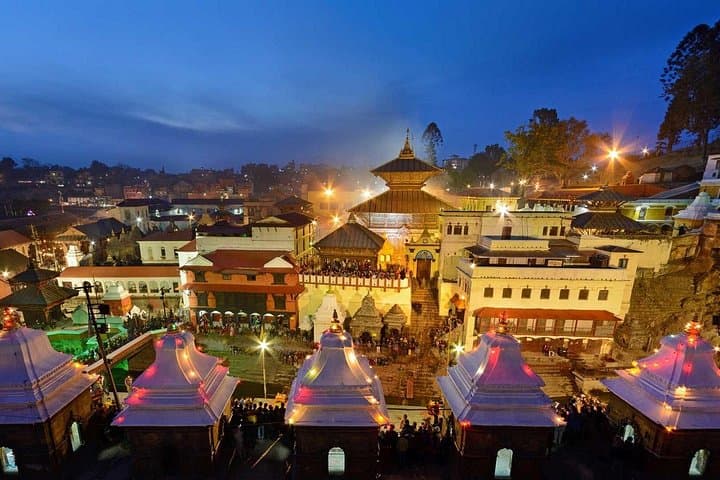
Geology and city form are part of the story: the Kathmandu basin is an alluvial bowl ringed by foothills, which concentrates weather, views, and the dense settlement pattern you’ll walk through. At Pashupatinath the river gives the temple a kinetic edge—water that both carries offerings and challenges conservation efforts.
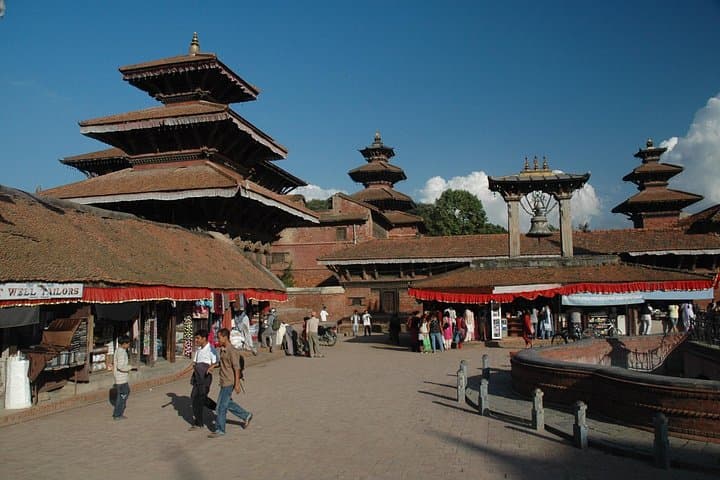
Expect a day of short walks across stone courtyards, stair climbs at Swayambhu, and crowded alleys at Durbar Square. Local guides illuminate living traditions—the Kumari (living goddess) tradition, Buddhist circumambulation at Boudha, and daily puja practices—while offering practical rhythm: photo stops, shoe removal at shrines, and modest dress codes.
Practical notes: plan for eight hours with an air-conditioned vehicle between sites, comfortable walking shoes, sun protection, and small local currency for donations or tea-house purchases. Mornings are quieter at Boudha; late afternoons bring golden light over Durbar Square but also more crowds. Move deliberately, respect ritual spaces, and let the city’s layered history set the pace of your day.
easy.
8 hours.
Suitable for most fitness levels; involves walking on stone steps and uneven courtyards, brief stair climbs.
The tour runs about eight hours, typically a full-day private itinerary with hotel pickup and drop-off.
Admission is not specified as included; confirm with the operator whether site entrance fees are covered or if you should bring cash.
Yes—it's rated easy and suitable for most fitness levels, but expect some stair climbs and crowds; request a slower pace if needed.
Modest clothing that covers shoulders and knees is recommended; remove shoes where required and follow the guide’s instructions.
Kathmandu Valley’s UNESCO sites reflect centuries of Newar urbanism and the religious coexistence of Hindu and Buddhist traditions, with Durbar Square centered on former royal palaces.
Heavy foot traffic and urban pollution stress these monuments; avoid touching ancient carvings, dispose of litter, and respect local rules to help preserve the sites.
Nepal Adventure Team operates guided outdoor trips and adventures with an emphasis on safety, stewardship, and memorable experiences.
You step out under a slate sky and the city greets you in layers: prayer flags snapping above a hilltop stupa, the metallic ring of temple bells, and traffic threading the valley below.
You step out under a slate sky and the city greets you in layers: prayer flags snapping above a hilltop stupa, the metallic ring of temple bells, and traffic threading the valley below.
This one-day private tour threads four of Kathmandu’s UNESCO treasures—Swayambhunath (the Monkey Temple), Bouddhanath Stupa, Pashupatinath Temple beside the Bagmati River, and Kathmandu Durbar Square—into a focused cultural circuit. The sites reflect centuries of Newar craftsmanship and the shifting power of Malla and Shah dynasties; pagoda roofs, carved wooden struts, and the dome of Boudha articulate both Buddhist and Hindu continuities.
Geology and city form are part of the story: the Kathmandu basin is an alluvial bowl ringed by foothills, which concentrates weather, views, and the dense settlement pattern you’ll walk through. At Pashupatinath the river gives the temple a kinetic edge—water that both carries offerings and challenges conservation efforts.
Expect a day of short walks across stone courtyards, stair climbs at Swayambhu, and crowded alleys at Durbar Square. Local guides illuminate living traditions—the Kumari (living goddess) tradition, Buddhist circumambulation at Boudha, and daily puja practices—while offering practical rhythm: photo stops, shoe removal at shrines, and modest dress codes.
Practical notes: plan for eight hours with an air-conditioned vehicle between sites, comfortable walking shoes, sun protection, and small local currency for donations or tea-house purchases. Mornings are quieter at Boudha; late afternoons bring golden light over Durbar Square but also more crowds. Move deliberately, respect ritual spaces, and let the city’s layered history set the pace of your day.