THE ADVENTURE COLLECTIVE® · Independent discovery and booking for outdoor travel

A full-day rafting option for people based in Kathmandu, Trishuli offers punchy Class II–III rapids, close-up views of the Manakamana cable car, and calm floats between drops. This guide explains what to expect, seasonal changes, and practical tips for the trip.
A full-day rafting option for people based in Kathmandu, Trishuli offers punchy Class II–III rapids, close-up views of the Manakamana cable car, and calm floats between drops. This guide explains what to expect, seasonal changes, and practical tips for the trip.
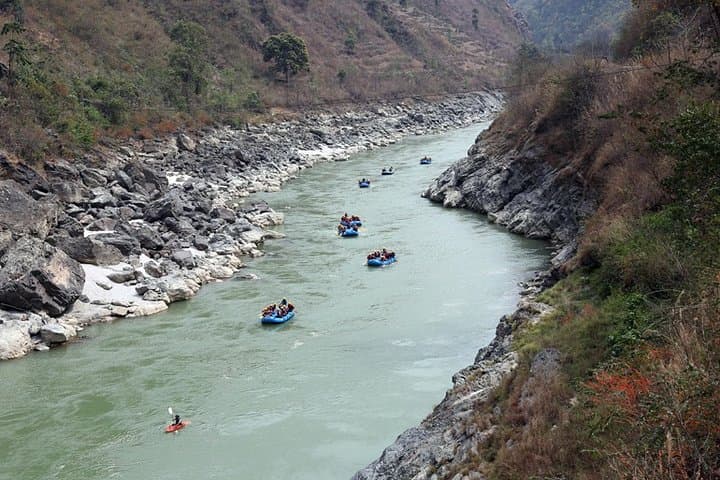
You leave Kathmandu before dawn, the city shrinking behind terraced slopes as the bus follows a highway threaded with roadside markets and river valleys. By mid-morning the Trishuli appears—water pushing rocks, calling with a steady, playful force that dares you forward. Small gorges narrow the channel and the occasional cable car to Manakamana flashes above, a cultural landmark watching the river run.
Verified experiences and guided adventures in the surrounding area.
Operated by Happyland Treks · Charaundi (Charaudi), Gandaki Province
You leave Kathmandu before dawn, the city shrinking behind terraced slopes as the bus follows a highway threaded with roadside markets and river valleys. By mid-morning the Trishuli appears—water pushing rocks, calling with a steady, playful force that dares you forward. Small gorges narrow the channel and the occasional cable car to Manakamana flashes above, a cultural landmark watching the river run.
Trishuli’s course is carved from the Lesser Himalaya; the bed alternates broad riffles and short, rocky drops that produce clear, punchy rapids. The river takes its name from the trident of Shiva, and the Manakamana shrine—visited via cable car—reminds paddlers that this landscape blends spiritual routes and centuries of local trade. Villages along the shore are practical and unshowy: tea stalls, terraced fields, and fishermen mending nets.
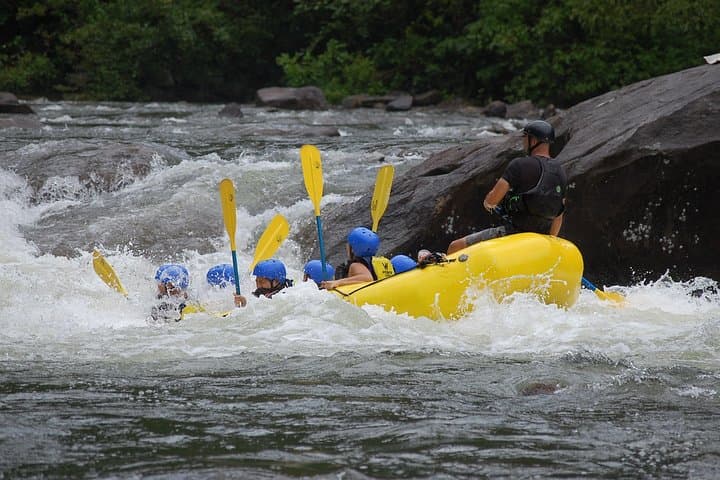
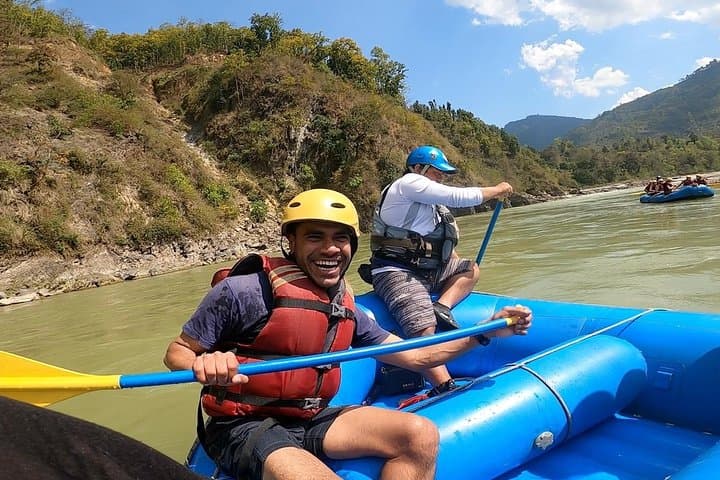
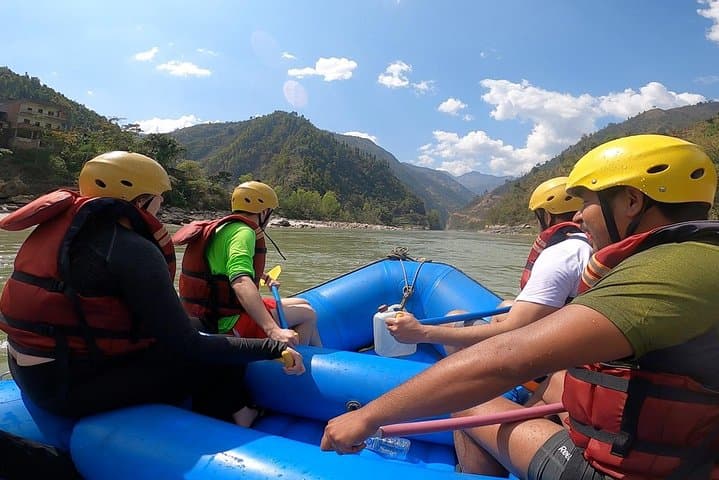
Most months deliver straightforward Class II–III rapids that are evenly spaced and beginner-friendly; during the monsoon the same river grows teeth and tests technique. Local operators supply self-bailing rafts, wetsuits, helmets and life jackets; lunch is usually served riverside after the run. Expect multiple float stretches for birdwatching and quick swims in gentler pools.
Practical takeaways: arrive with quick-dry layers and secure footwear, hydrate before the run, and follow guide briefings for paddle commands and emergency drills. If you’re en route to Pokhara or Chitwan, this trip slots neatly as a full-day outing with door-to-door transfers available. Leave no trace—pack out plastics and respect riverside crops; the river’s health is as much the community’s livelihood as it is an adrenaline line for visitors.
moderate.
6–10 hours.
Suitable for people in basic aerobic condition; you should be able to sit, brace, and follow commands for several hours.
The full-day includes travel time from Kathmandu (roughly 3–5 hours roundtrip depending on traffic); the on-water portion is typically 2–4 hours with stops and a riverside lunch.
Most trips are beginner-friendly (Class II–III rapids) and guided; no prior whitewater experience is required but you must follow guide instructions and be able to swim or float with a life jacket.
From June to September the river swells and rapids increase in intensity—operators may offer more advanced sections or restrict runs for safety; check conditions before booking.
Operators typically provide pickup from Kathmandu, bus transfer to the put-in, and standard safety gear—helmets, wetsuits, lifejackets, paddles—and include lunch.
Trishuli has long been a corridor between hill communities; the nearby Manakamana temple has drawn pilgrims for centuries, and the riverbanks supported local trade routes.
Operators are increasingly following leave-no-trace practices; avoid single-use plastics and support guides who run rubbish collection and minimal-impact lunches.
Happyland Treks operates guided outdoor trips and adventures with an emphasis on safety, stewardship, and memorable experiences.
You leave Kathmandu before dawn, the city shrinking behind terraced slopes as the bus follows a highway threaded with roadside markets and river valleys. By mid-morning the Trishuli appears—water pushing rocks, calling with a steady, playful force that dares you forward. Small gorges narrow the channel and the occasional cable car to Manakamana flashes above, a cultural landmark watching the river run.
You leave Kathmandu before dawn, the city shrinking behind terraced slopes as the bus follows a highway threaded with roadside markets and river valleys. By mid-morning the Trishuli appears—water pushing rocks, calling with a steady, playful force that dares you forward. Small gorges narrow the channel and the occasional cable car to Manakamana flashes above, a cultural landmark watching the river run.
Trishuli’s course is carved from the Lesser Himalaya; the bed alternates broad riffles and short, rocky drops that produce clear, punchy rapids. The river takes its name from the trident of Shiva, and the Manakamana shrine—visited via cable car—reminds paddlers that this landscape blends spiritual routes and centuries of local trade. Villages along the shore are practical and unshowy: tea stalls, terraced fields, and fishermen mending nets.
Most months deliver straightforward Class II–III rapids that are evenly spaced and beginner-friendly; during the monsoon the same river grows teeth and tests technique. Local operators supply self-bailing rafts, wetsuits, helmets and life jackets; lunch is usually served riverside after the run. Expect multiple float stretches for birdwatching and quick swims in gentler pools.
Practical takeaways: arrive with quick-dry layers and secure footwear, hydrate before the run, and follow guide briefings for paddle commands and emergency drills. If you’re en route to Pokhara or Chitwan, this trip slots neatly as a full-day outing with door-to-door transfers available. Leave no trace—pack out plastics and respect riverside crops; the river’s health is as much the community’s livelihood as it is an adrenaline line for visitors.